
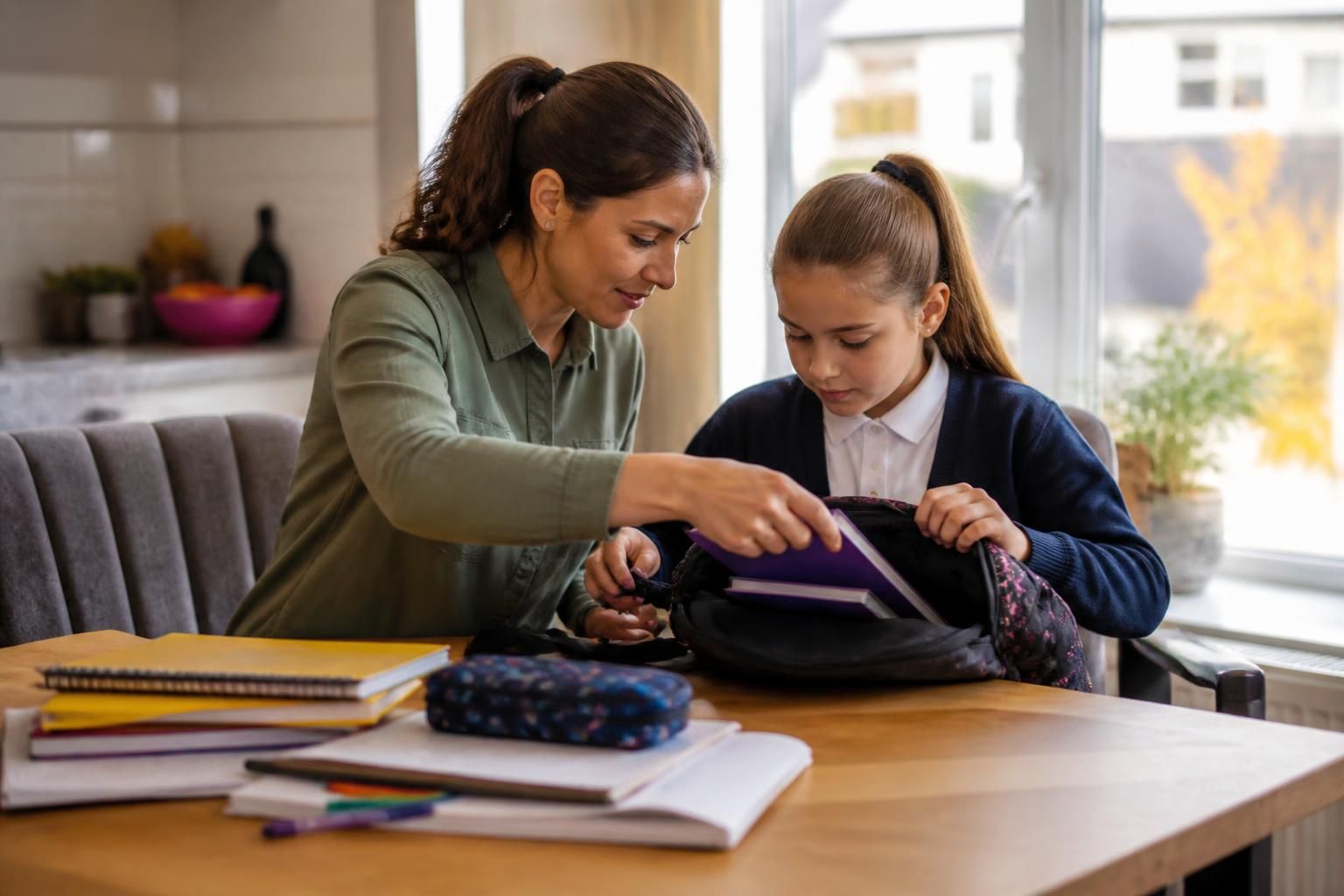
How is a child’s education managed during emergency foster care?
During emergency foster care, the child’s education is managed by coordinating with their current school, the local authority and the foster carer to minimise disruption. Where possible, arrangements support continuity of education, while practical needs such as school records, transport, uniform, equipment and additional learning support are reviewed as part of the placement plan.
Partnering with an
Ofsted Outstanding Provider
A child in emergency foster care remains entitled to a suitable education, even when the placement has been arranged at short notice. Their education is managed through the looked-after child education framework, with decisions based on their welfare, existing progress, stability and individual needs rather than simply on the convenience of the new placement.
The Personal Education Plan (PEP) is the main record used to understand and support the child’s education. It brings together information about their attainment, attendance, strengths, interests, barriers to learning and agreed targets. In an emergency placement, the existing plan may not be available immediately, so the social worker, school and foster carer gather essential information first and update the plan as fuller records become available.
The PEP should reflect the child’s views wherever possible. A child may have clear preferences about remaining at their school, travelling to a different school or receiving help with a particular subject. Their views are considered alongside safeguarding information, travel arrangements, the stability of the placement and the likely effect of any change.
Remaining at the existing school is often considered where this is in the child’s best interests. Continuity can protect important relationships with teachers and friends and reduce the number of changes the child has to manage. It may not be appropriate if the distance is impractical, the school does not meet the child’s needs, or other welfare considerations make a move necessary.
If a new school is needed, the local authority works with education services to identify a suitable place. The foster carer may be asked for information about the child’s needs and day-to-day presentation, but the local authority and education professionals make decisions within the relevant legal and safeguarding arrangements. A child should not be left without an education simply because their placement has changed.
The designated teacher at the school has a specific role in supporting children in care. They act as a point of contact for the foster carer and social worker, help staff understand the child’s circumstances, monitor progress and attendance, and raise concerns where additional help is needed. The virtual school service in the relevant local authority also provides oversight and advice for children in care, although it does not replace the school’s responsibility for teaching and safeguarding.
Emergency care can affect learning even when the child attends school regularly. They may be tired, anxious, distracted or reluctant to talk about what has happened. Foster carers can help by:
- establishing a predictable morning and evening routine;
- sharing relevant observations with the social worker and school without asking the child to repeat distressing information unnecessarily;
- helping the child attend lessons, clubs and important school activities where this is appropriate;
- encouraging homework and reading without turning the placement into a source of pressure; and
- recognising that behaviour or concentration may change while the child adjusts.
The school may put pastoral or learning support in place, such as a trusted adult, wellbeing sessions, catch-up work or additional help with organisation. Where there are special educational needs or disabilities, the child’s existing support arrangements should be reviewed. This may include an education, health and care plan, special educational needs support or referrals to other services. Emergency foster care does not remove those rights, although professionals may need time to confirm the arrangements and decide whether they still meet the child’s needs.
Attendance and participation should be managed carefully. A foster carer should inform the school about absences and follow its procedures. If attendance becomes difficult, the carer, school and social worker should look at the reason rather than treating it only as a disciplinary issue. Transport, anxiety, bullying, medical appointments and changes in the child’s routine may all need consideration.
School staff will normally receive only the information they need to educate and safeguard the child. Foster carers should respect the child’s privacy and avoid discussing their care arrangements with other parents or pupils. At the same time, important information should not be withheld from professionals who need it to provide safe and effective support.
Education planning continues if the emergency placement ends or becomes longer term. The child’s records, current support and progress should be passed to the next education setting or carer so that avoidable gaps are reduced. Foster carers can ask the social worker or designated teacher to explain the current education plan, who is responsible for each action and how concerns should be raised. Keeping communication clear and recording agreed decisions helps the child’s education remain consistent while wider care arrangements are being reviewed.

Education planning during emergency foster care should also protect important deadlines and transitions, not just day-to-day attendance. A sudden move may happen during examinations, coursework, applications for further education or a change between school stages, so the social worker and education professionals should identify any time-sensitive arrangements quickly.
- Confirm upcoming examinations, assessments and coursework deadlines.
- Check whether the child has approved access arrangements or requires specific equipment.
- Make sure applications, consent forms and school trips are not missed during the placement change.
- Identify a trusted member of staff who can explain changes to the child and help them understand what happens next.
These details should be recorded in the education plan and shared with the foster carer on a need-to-know basis. Keeping track of immediate deadlines can prevent the placement change from creating additional educational disadvantages.
Ask about education during emergency foster care
If you are considering emergency foster care, speak to our fostering team about the responsibilities involved and whether it could be right for your household. We can explain the application process, training and support available before you decide whether to take the next step.