
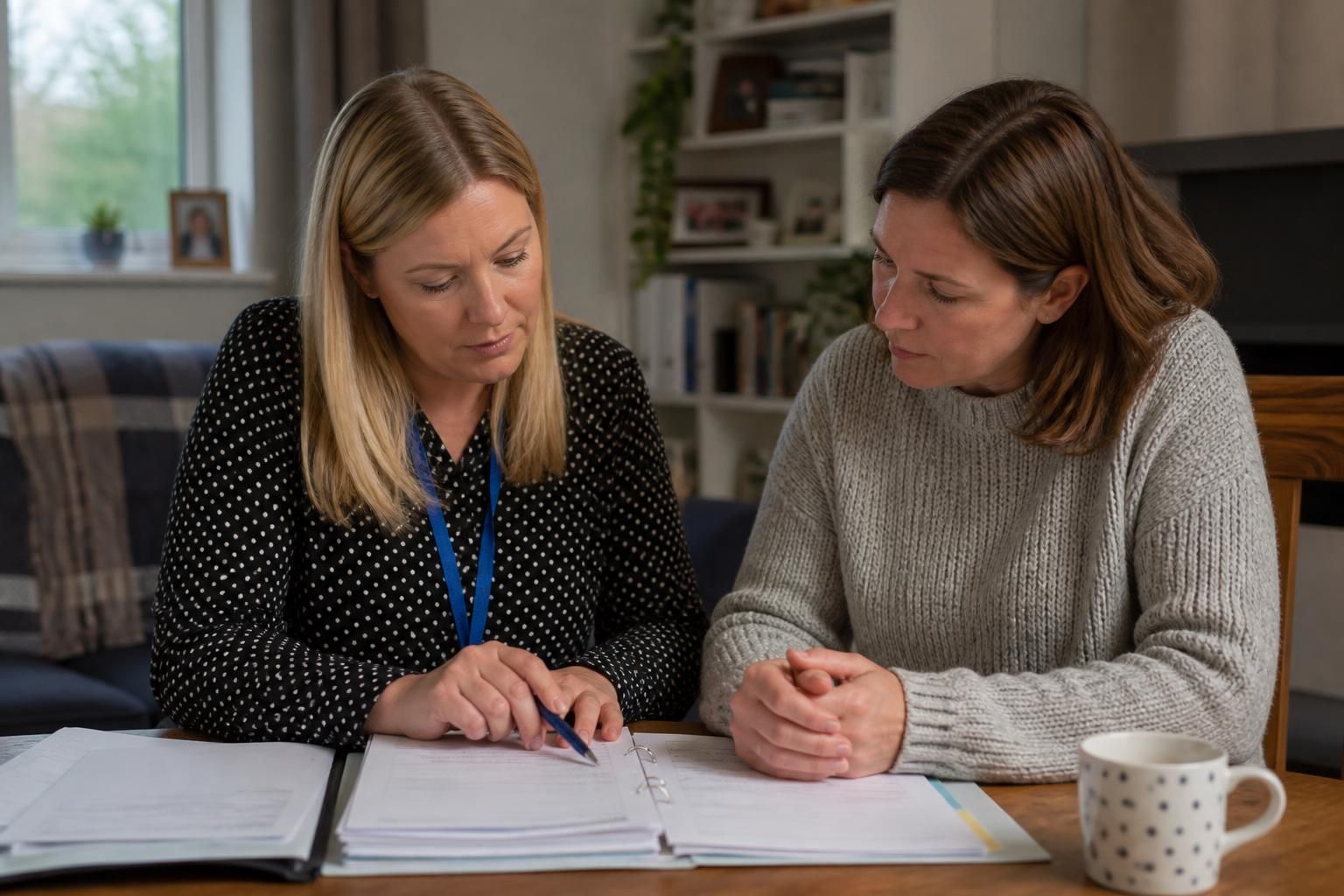
How are children matched with a temporary emergency foster carer?
Children are matched with a temporary emergency foster carer by considering their immediate needs alongside the carer’s approval, experience, skills, household circumstances and available space. The matching process also considers factors such as the child’s age, behaviour, health, family background, education and location, using the information available at the time of the emergency request.
Partnering with an
Ofsted Outstanding Provider
Children are matched with a temporary emergency foster carer through a risk-based decision made by the placing authority and fostering service. The aim is to identify a home that can safely meet the child’s immediate needs, while recognising that emergency placements may need to be arranged before a full picture of the child is available.
The process usually begins when the child’s social worker makes a referral to the fostering service. This referral may include information about why the child needs to move, any immediate safeguarding concerns, known medical or emotional needs, contact arrangements, education, siblings and previous placement history. Information can be incomplete or subject to change, particularly when the move has happened suddenly.
The fostering service compares the referral with the information held about available carers. This is more than a question of whether a spare bedroom exists. The decision-maker considers whether the proposed household can manage the known risks, provide the required supervision and meet practical arrangements such as transport, appointments, contact with family members and attendance at school.
Safety is considered first. The service will look at whether the placement could pose a foreseeable risk to the child, the foster family or other people in the household. This may include known behaviours, missing-from-home concerns, allegations, health needs, offending risks, substance misuse, self-harm or vulnerabilities linked to exploitation. Where information is unavailable, the social worker and fostering service should identify what is known, what remains uncertain and what safeguards are needed while more is established.
The child’s relationships are also relevant. If brothers or sisters need to stay together, the service will consider whether one household can safely care for them all. If they cannot be placed together, plans may be needed to protect their relationships. Existing children and adults in the foster home are considered as part of the assessment, including how the proposed arrangement may affect their safety, privacy and daily life.
Before a placement is agreed, the fostering service normally discusses the referral with the carer. The carer should be given the information that is available and have an opportunity to ask practical questions, raise concerns and explain whether the arrangement can be managed safely. A carer does not have to accept a referral that falls outside the household’s ability, preparation or agreed terms of approval. Saying that a placement is unsuitable is a responsible part of safeguarding, not a failure to help.
Where the placement appears suitable, the social worker and fostering service agree the immediate plan. This should cover how the child will arrive, who will bring them, what belongings or medication will accompany them, who holds parental responsibility, arrangements for contact and education, and which professionals need to be informed. The foster carer should also know who to contact if new information emerges or the child’s needs change.
Emergency matching is not a one-off decision. Once the child arrives, the placement is monitored and the assessment is updated as the child settles and more information becomes available. A behaviour or need that was not disclosed in the initial referral may change the support or safeguarding plan. Reviews can lead to additional guidance, a different placement arrangement or consideration of whether the home remains suitable for the child.
Children should be given an explanation that is appropriate to their age and understanding. Their views, wishes and feelings are taken into account where possible, although an emergency move may limit the opportunity for a child to visit the home or meet the carer beforehand. The child’s social worker remains responsible for decisions about the placement, while the foster carer provides day-to-day care and shares relevant observations.
A good emergency match therefore depends on honest information-sharing, careful risk assessment and clear communication rather than on finding a superficially similar household. The match may not be perfect because the decision is made under pressure, but it should be safe, reasoned and kept under review as the child’s circumstances become clearer.
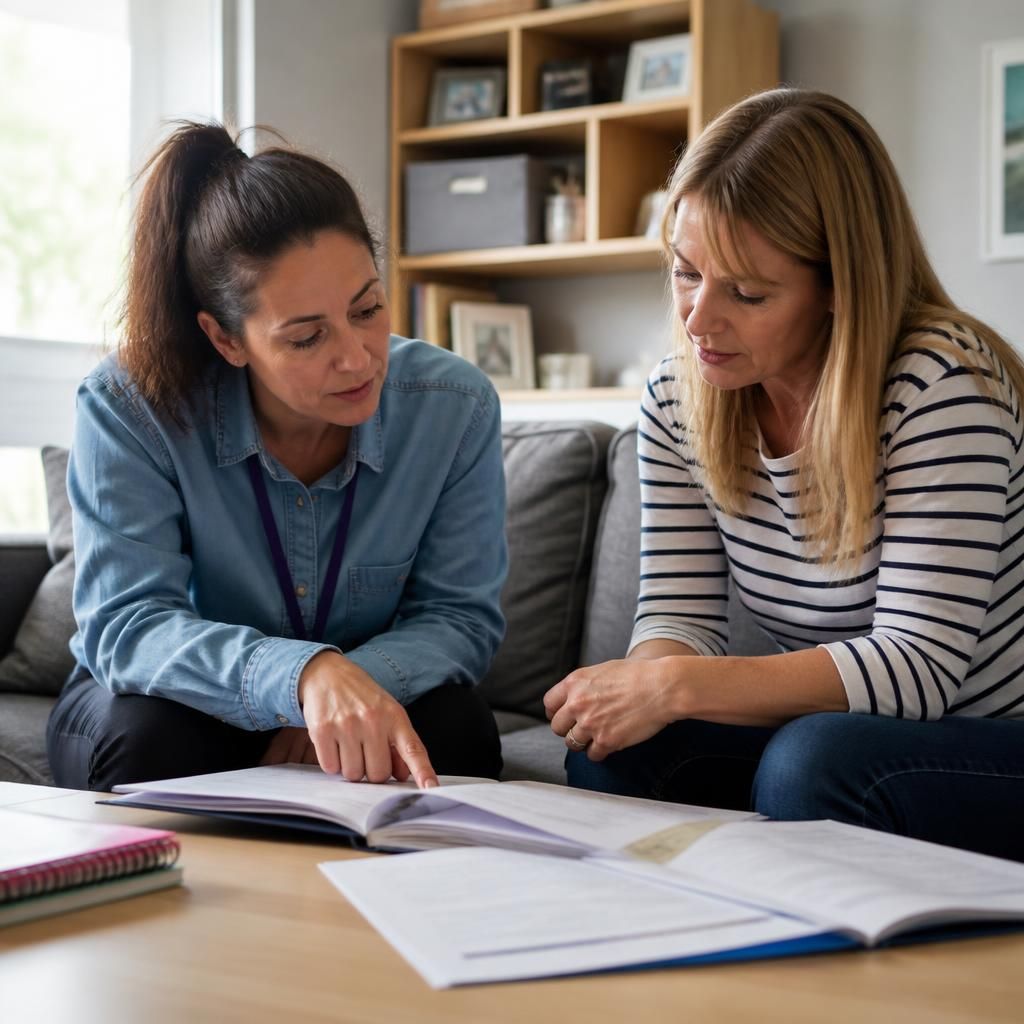
Matching also considers whether the child’s everyday needs fit the foster home’s routines and environment. This can include sleeping arrangements, household pets, dietary requirements, language, culture, religion, sensory needs and the amount of quiet or structure the child may need.
These details help the social worker and fostering service judge whether the home will be workable beyond the first night. A carer’s usual routines, transport arrangements and other commitments may also be reviewed where they affect school, appointments, family contact or supervision. The aim is to create a practical plan that supports the child’s care without placing unreasonable demands on the household.
Talk to us about becoming an emergency foster carer
If you are considering becoming a temporary emergency foster carer, talk to us about the approval process, training and support involved. We can help you understand whether emergency fostering could suit your household and circumstances.