

What happens when a temporary emergency foster placement ends?
When a temporary emergency foster placement ends, the child may return to their family, move to another foster placement, or enter a longer-term arrangement, depending on assessments and their welfare. The foster carer is supported through the transition, including sharing relevant records and information and helping the child move on as safely and smoothly as possible.
Partnering with an
Ofsted Outstanding Provider
When a temporary emergency foster placement ends, the next steps are organised around the child’s welfare, the agreed care plan and the outcome of professional assessments. The child’s social worker and other relevant professionals decide what arrangement should follow, while the foster carer helps prepare the child and provides accurate information for a safe handover.
The ending should be planned wherever circumstances allow. The supervising social worker will normally discuss the proposed move with the foster carer, including the timescale, who will be involved and what information needs to be passed on. Plans may need to change if new information emerges or if the child’s needs alter, so carers should raise concerns promptly rather than making independent arrangements.
Before the placement ends, the adults involved should consider:
- how the child will be told about the change in an age-appropriate way;
- what contact, travel and handover arrangements are required;
- which belongings, clothing, comfort items, school materials and personal documents should travel with the child;
- whether medication, health information or other essential items need to be transferred;
- how important relationships, including contact with family members, should be managed; and
- what practical information the next carer or placement will need to maintain familiar routines.
Foster carers are usually expected to contribute to a clear handover. This can include sharing the child’s routines, likes and dislikes, communication needs, triggers, calming strategies, dietary requirements, school arrangements and important appointments. Information should be factual, relevant and respectful. It is not the carer’s role to decide what happens next, but their observations can help professionals make informed decisions.
Records should be completed in line with the fostering service’s procedures. These may include daily recordings, significant events, details of health or education matters, contact notes and information about incidents or changes in presentation. Records must be stored and shared securely, with confidentiality maintained. The supervising social worker can explain what needs to be completed and where it should be sent.
The child may have mixed feelings about leaving, even when the next arrangement is appropriate. A foster carer can help by giving simple, honest explanations, allowing the child to ask questions and avoiding promises about matters outside their control. Keeping familiar routines until the move, involving the child in suitable practical preparations and sending a familiar item with them can make the transition easier. Any worries about distress, safety or the proposed plan should be passed to the child’s social worker.
After the move, the foster carer will normally have an opportunity to talk through the placement with their supervising social worker. This discussion can cover the child’s progress, any incidents, outstanding records, the carer’s wellbeing and lessons that may be useful for future placements. A review may also consider whether any further training, guidance or support would be helpful.
Emergency placements can end with little notice where the child’s circumstances require it. If a carer believes the proposed ending is unsafe, or is worried that essential information has not been shared, they should contact their supervising social worker and the child’s social worker immediately. They should continue to follow safeguarding, recording and confidentiality procedures until responsibility has formally transferred.
Financial arrangements are linked to the individual placement and the fostering service’s terms. The carer should check with the supervising social worker or fostering service how payments, approved expenses and any outstanding costs are dealt with when the child moves on. They should also confirm whether any equipment needs to be returned or retained for future fostering.
Although the placement has ended, the foster carer may still need to process the experience and can ask for a debrief or further guidance. The end of one emergency placement does not automatically determine whether the carer accepts another placement; that decision should be discussed with the fostering team in light of the household’s circumstances and readiness.
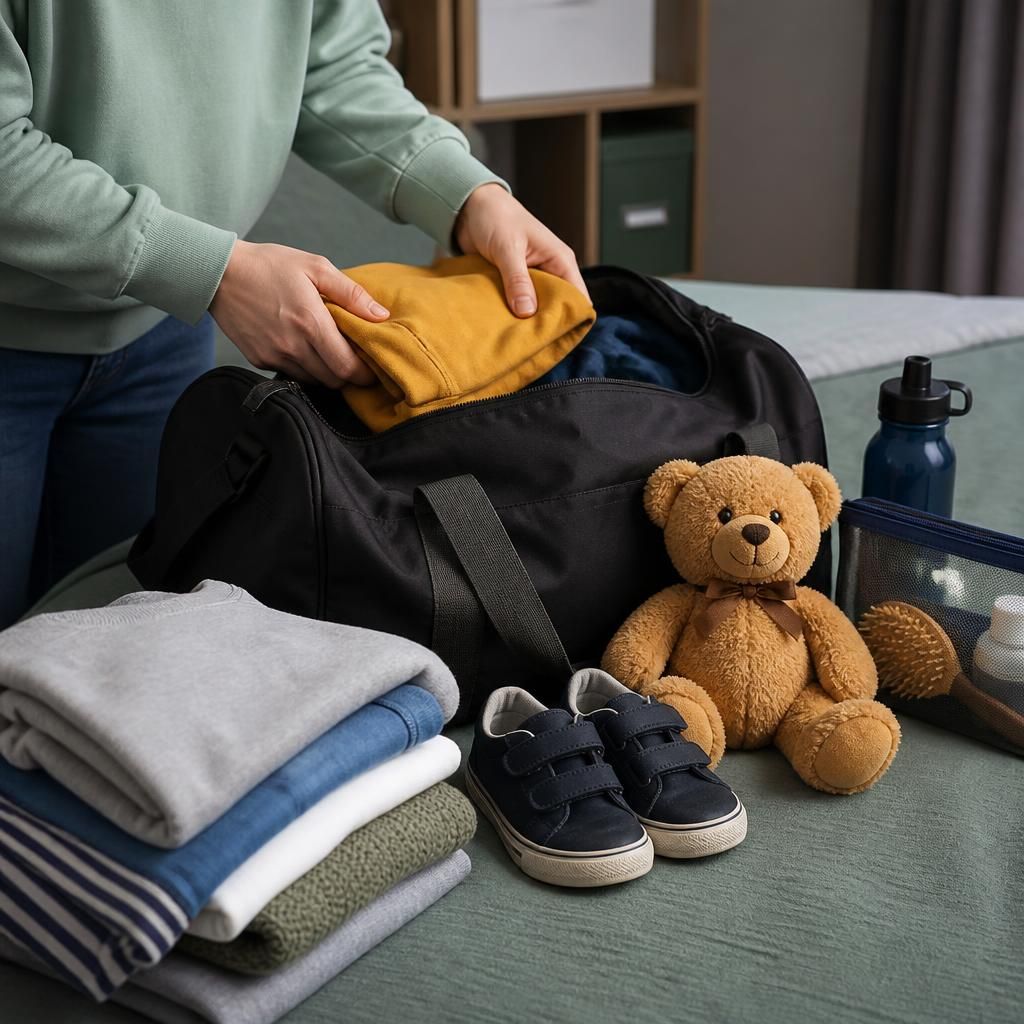
When a child moves on from a temporary emergency foster placement, their support should continue through the next care arrangement and the professionals responsible for their plan. This may include ongoing social work involvement, education support, health appointments and family contact, depending on the child’s circumstances.
A former foster carer should not make informal arrangements or assume ongoing contact unless this has been agreed by the child’s social worker and fostering service. If an appropriate relationship is to continue, the arrangements should be clear about contact, boundaries, confidentiality and who holds responsibility for the child. This protects the child from mixed messages and helps everyone understand their role after the placement ends.
Talk to us about temporary emergency fostering
If you are considering temporary emergency fostering, talk to our fostering team about the role, approval process and practical expectations for your household.