

What makes a suitable temporary emergency foster home?
A suitable temporary emergency foster home is safe, stable and able to provide a child with a private or appropriately arranged sleeping space, basic necessities and calm, consistent care. The household should have the flexibility to respond to changing needs and work closely with the fostering team while longer-term arrangements are considered.
Partnering with an
Ofsted Outstanding Provider
A suitable temporary emergency foster home is one that can manage uncertainty safely while meeting a child’s immediate physical, emotional and practical needs. Suitability is assessed individually, but it generally depends on the home, the adults in it and the household’s ability to follow safeguarding arrangements, respect the child’s identity and adapt as information becomes available.
The home should provide more than a place to sleep. It needs to support day-to-day care, including meals, washing, clothing, school or education arrangements, prescribed medication and appropriate contact with professionals. Foster carers should be able to help a child settle into clear routines without expecting them to adjust immediately or explain everything they have experienced.
- A safe physical environment: rooms, entrances, windows, stairways and outdoor areas should be suitably maintained and free from avoidable hazards. Fire safety, safe storage of medicines and cleaning products, and appropriate arrangements for dangerous items are all important.
- Enough practical capacity: carers need the time, energy and household resources to manage appointments, transport, communication with professionals and changes to daily plans. Emergency placements can involve limited background information, so the household must be able to proceed carefully rather than make assumptions.
- Emotionally informed care: children arriving in an emergency may be frightened, angry, withdrawn, confused or unable to trust adults. Suitable carers understand that behaviour can reflect distress and can respond with patience, boundaries and reassurance instead of punishment or pressure.
- Respect for identity: the home should be able to support the child’s culture, religion, language, disability, sexuality and family relationships in an age-appropriate way. Carers should avoid treating difference as a problem and seek advice when they are unsure how to meet a particular need.
- Household agreement: everyone who lives in the home should understand what fostering may involve and agree to the arrangements. This includes discussing personal space, visitors, belongings, confidentiality, pets and how changes may affect existing children or adults.
- Safe relationships and boundaries: carers must maintain appropriate boundaries while building trust. Children should not be left in situations that have not been agreed as safe, and information about them should only be shared with people who need it for their care or safeguarding.
Pets do not automatically prevent a household from fostering, but their behaviour, size and access to the child would be considered. Smoking, use of alcohol, firearms or other potential hazards would also need to be discussed openly during the assessment, with arrangements made to protect the child.
A suitable home does not need to be large, luxurious or free from every ordinary household difficulty. It does need to be organised, safe and capable of giving a child appropriate personal space and consistent boundaries. The assessment looks at whether the proposed arrangements are realistic for the child’s age, needs and circumstances, rather than applying one identical standard to every household.
Prospective carers should be prepared to share accurate information about their health, relationships, household routines, employment, finances and previous experience of caring for children. The fostering assessment and required checks help establish whether the home can offer safe care and whether any adjustments or additional safeguards are needed before a placement is considered.
Before accepting an emergency placement, carers should receive the information available about the child, including known health needs, risks, education, contact arrangements and essential belongings. Where information is incomplete, the carers’ role is to follow the agreed plan, record significant events accurately and raise concerns through the appropriate fostering channels. A home is suitable when its adults can combine practical readiness with sound judgement, confidentiality and a willingness to work within the child’s care plan.
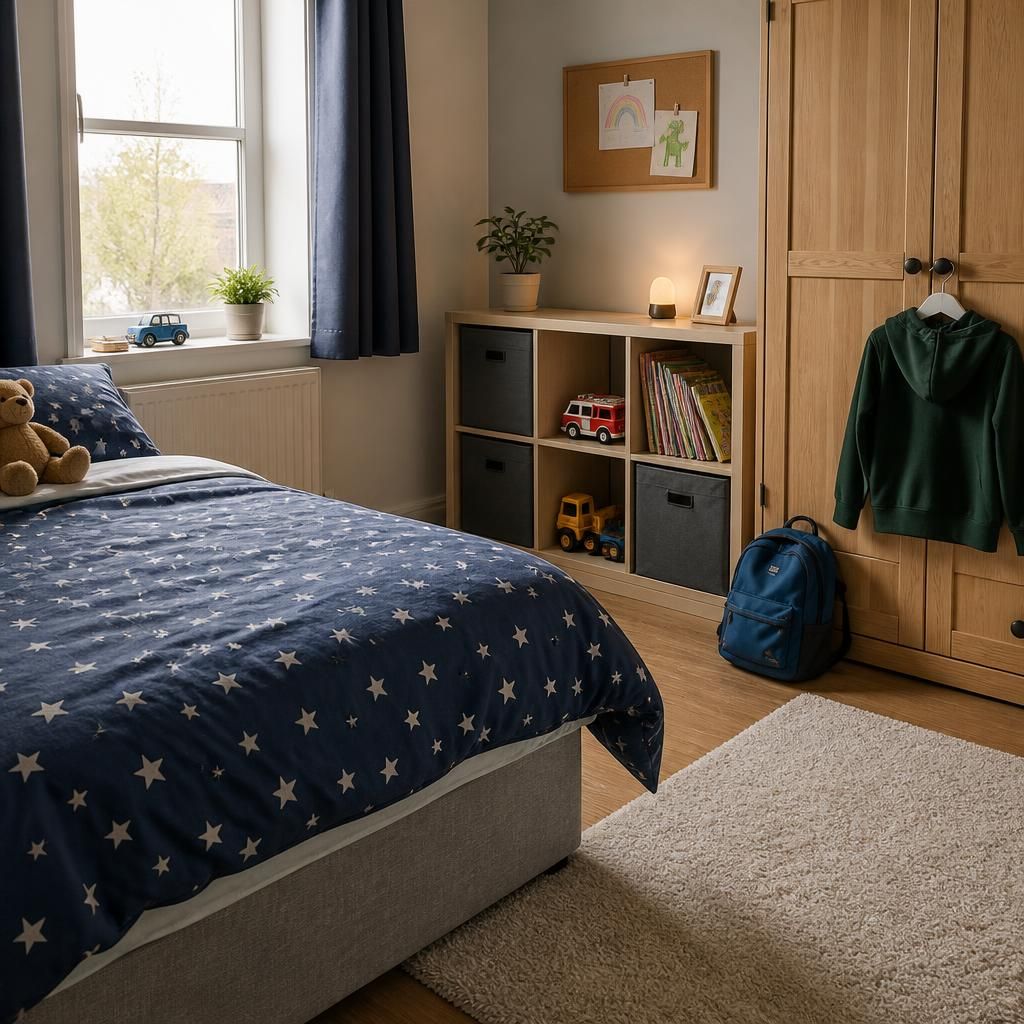
A suitable temporary emergency foster home must also be practical for the child’s immediate arrangements. Its location, transport options and accessibility may affect whether the child can continue attending school, attend health appointments or maintain agreed family contact. These factors are considered alongside the home itself, rather than treating every address as equally suitable.
Carers should be realistic about the journeys and adjustments involved. A child may need help using unfamiliar transport, access to step-free facilities or additional time to reach appointments. Where the home is suitable in other respects but a particular arrangement creates difficulty, the fostering team can consider what safeguards, equipment or travel support may be needed before the placement is agreed.
Explore whether your home is suitable for temporary emergency fostering
If you are considering temporary emergency fostering, contact our fostering team to discuss your household, practical arrangements and any questions about suitability. This conversation can help you understand the next steps before deciding whether to apply.