

How are a child’s cultural and religious needs considered when finding a foster family?
A child’s cultural, ethnic and religious needs are considered as part of the matching process, alongside their identity, routines, relationships and individual circumstances. Professionals look for a foster family able to respect and support these needs in everyday life, including faith practices, food, language, celebrations and links with the child’s community.
Partnering with an
Ofsted Outstanding Provider
Cultural and religious considerations form part of the professional assessment of whether a proposed foster placement is suitable. The aim is to protect the child’s identity, uphold their rights and make sure the foster family can provide care that is respectful, practical and consistent with the child’s welfare plan.
Before a placement is proposed, the child’s social worker gathers relevant information from the child, their parents or wider family, previous carers, education professionals and other people involved in their care. This may include:
- the child’s understanding of their cultural, ethnic, religious or non-religious identity;
- important customs, values or practices within their family;
- dietary requirements and any rules connected with food preparation;
- preferred forms of communication, including language or particular words used within the family;
- religious observance, prayer, worship, clothing or personal routines;
- important dates, celebrations and community connections;
- the child’s relationship with relatives and other people who help maintain their identity; and
- any experiences of discrimination, prejudice or uncertainty about identity that may affect their care.
The child’s views should be central to this work. Their age, understanding and communication needs will be taken into account, and professionals should not assume that a child’s background automatically determines their beliefs or preferences. Children may identify with more than one culture, have mixed heritage, follow a faith in their own individual way, or not wish to practise a religion connected with their family background. Their views can also change as they grow and understand more about their identity.
Information about the child is compared with the skills, circumstances and approach of potential foster families. Foster carers do not necessarily need to share the child’s cultural or religious background. More important is their ability to listen, learn, avoid making assumptions and provide respectful care. During assessment and preparation, prospective carers may be asked how they would respond to practical situations, such as supporting a child who wants to attend a place of worship, observing a religious practice, maintaining a particular diet or asking questions about their heritage.
Professionals will also consider whether the proposed arrangement can support the child’s wider identity. This might involve maintaining safe contact with relatives, helping the child take part in community activities, finding suitable faith or cultural resources, or ensuring that school and other services understand relevant needs. Where specialist knowledge is needed, the fostering team may seek guidance from appropriate cultural, religious, health or community professionals rather than expecting the child or foster family to resolve everything alone.
Matching is therefore about more than finding a household with a similar background. Other factors must also be weighed, including the child’s safety, age, behaviour, health, education, relationships, location and the foster family’s experience and capacity. A family’s willingness to support cultural or religious needs is considered alongside these factors, not separately from them.
Foster carers should receive enough information to make an informed decision about whether they can meet the child’s needs. They can ask for clarification about routines, beliefs, family expectations and practical arrangements before agreeing to a placement. If a need is unfamiliar, the supervising social worker can help identify training, advice or other support. Carers should be honest about what they understand and where they need guidance; this is safer and more useful than agreeing to arrangements they cannot realistically maintain.
After placement, the child’s cultural and religious needs remain part of ongoing care planning. The child’s views should be checked regularly, particularly after changes in age, schooling, family contact or personal beliefs. Foster carers, the child’s social worker and the supervising social worker can review what is working, identify any difficulties and agree practical changes. This helps ensure that the plan reflects the child’s current identity rather than relying only on information gathered before they moved in.
When a child is being considered for a foster placement, asking how their identity will be supported is appropriate. A prospective foster carer can ask what is known about the child’s wishes, how family and community links will be maintained, what preparation is available and how the plan will be reviewed. These questions help professionals and carers make a considered decision based on the individual child.
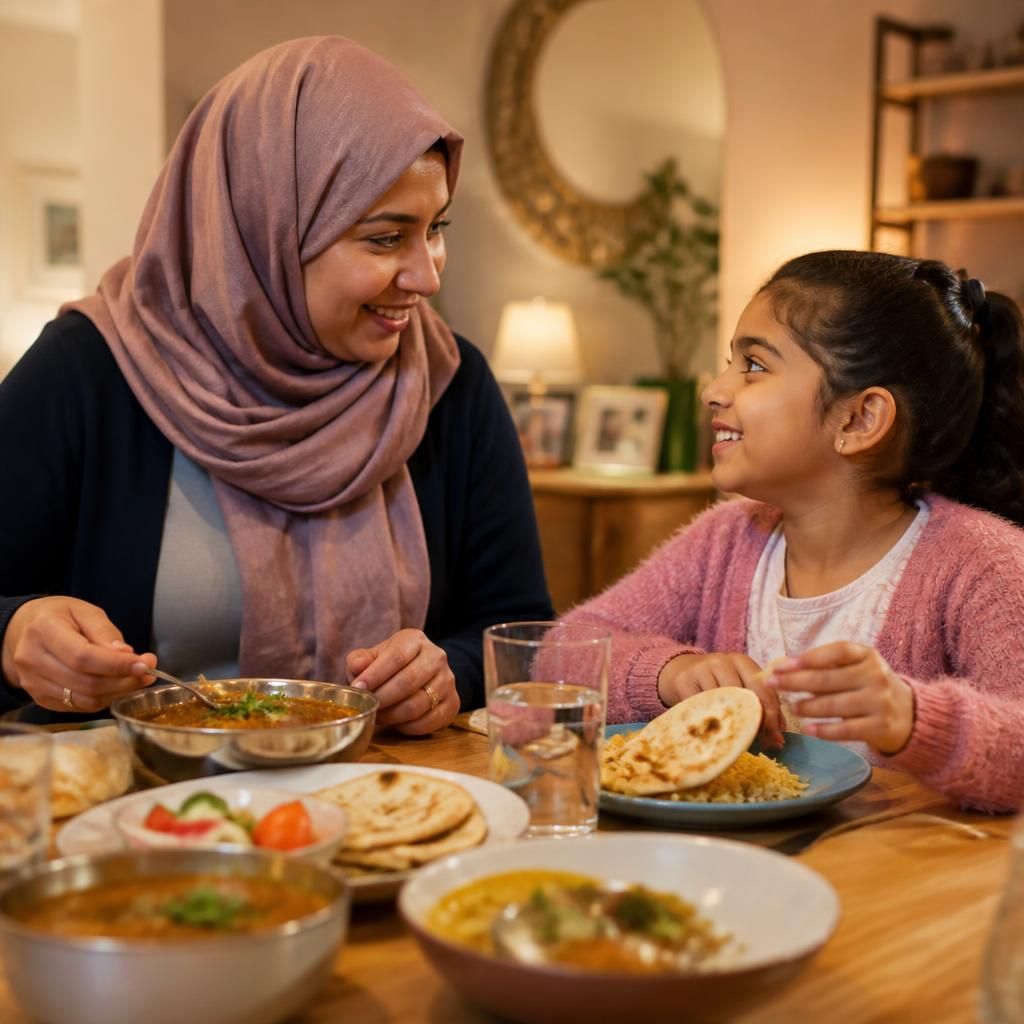
A foster family’s role is to support a child’s cultural and religious identity without pressuring them to adopt the household’s beliefs. Foster carers should provide space for the child to ask questions, express uncertainty or practise their faith in a way that reflects their own wishes, rather than making assumptions based on their background.
Sometimes a requested practice may need careful planning because of health, safety, age or other safeguarding considerations. For example, arrangements relating to fasting, medication, clothing or attendance at religious activities may need advice from the child’s social worker or another relevant professional. The aim is to find a respectful, proportionate arrangement that protects the child while avoiding unnecessary restrictions on their identity and beliefs.
Ask how cultural and religious needs are supported in fostering
Contact our fostering team to ask questions about supporting a child’s identity and find out what happens next if you decide to explore fostering.