
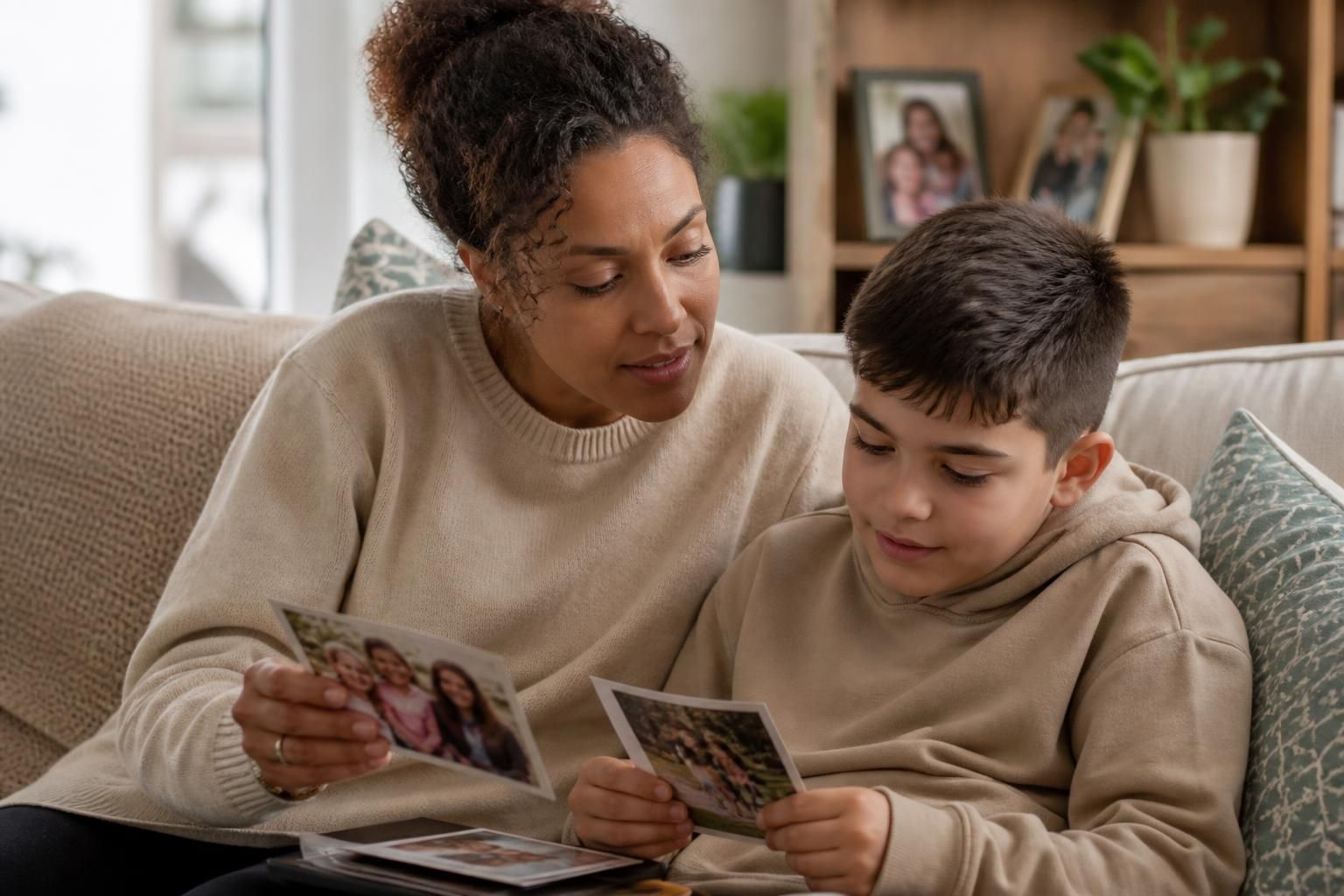
How does a foster home support contact with a child’s birth family?
A foster home supports contact with a child’s birth family by following the arrangements set out in the child’s care plan and agreed with the fostering team. Foster carers help make contact safe, consistent and child-centred, while sharing relevant observations and seeking guidance if the child’s needs or circumstances change.
Partnering with an
Ofsted Outstanding Provider
Contact between a child in foster care and their birth family is arranged around the child’s welfare, relationships and legal circumstances. It may involve face-to-face visits, telephone calls, video calls, letters or other agreed communication. The child’s care plan, any court directions and the views of the child and relevant family members determine what contact is appropriate.
What contact arrangements can include
Before a child moves into a foster home, the local authority usually sets out practical contact arrangements. These may specify:
- who the child will have contact with, such as parents, siblings, grandparents or other significant people;
- how often contact should take place and how long it should last;
- where contact will happen, including the foster home, the family home, a contact centre or another suitable venue;
- whether contact will be supervised, supported or take place without direct supervision;
- who is responsible for transport and making sure the child arrives safely;
- whether telephone, video or written contact is suitable between visits; and
- how the arrangements will be reviewed if the child’s circumstances change.
Contact arrangements are not identical for every child. Some children may have regular contact with several relatives, while others may need a carefully managed introduction or a period without direct contact. A child’s age, wishes, emotional needs, previous experiences, family relationships and any safeguarding concerns all need to be considered.
The foster carer’s role
Foster carers help contact work in a practical and child-focused way. This can include helping a child prepare for a visit, arranging suitable clothing or belongings, supporting transport plans and providing a calm space before and after contact. Carers may also help a younger child understand when contact will happen and what to expect.
After contact, a child may appear relaxed, upset, angry, quiet or unsettled. Their reaction can change over time and may not be an immediate indication that contact should stop. Foster carers should observe the child carefully, offer reassurance without criticising their family, and share relevant information with the social worker or fostering team. For example, it may be important to report repeated distress, changes in behaviour, worries expressed by the child, missed visits or information that raises a safeguarding concern.
Foster carers should not question a child in a way that feels like an investigation or encourage them to take sides. Their role is to listen, acknowledge the child’s feelings and pass factual observations to the professionals responsible for the care plan.
Keeping contact safe and respectful
Contact should take place in a way that protects the child’s physical and emotional safety. Depending on the circumstances, safety measures may include professional supervision, an agreed venue, clear rules about gifts and photographs, or limits on sharing addresses and other personal information.
Foster carers should follow the agreed boundaries rather than making private arrangements with relatives. They should also avoid making promises about future contact or passing on information that has not been authorised. Confidential details about the child, the foster home and other household members must be handled carefully, particularly when communication takes place through phones or social media.
If a family member does not attend, arrives unexpectedly, behaves inappropriately or asks the child to keep information secret, the foster carer should follow the agreed reporting procedure. A missed or difficult contact session should be recorded factually, including what happened, what the child said or did, and what support was offered.
Supporting family relationships
Maintaining appropriate links with birth family can help a child understand their identity and personal history. This does not mean that every form of contact will be suitable, or that contact should continue unchanged. The focus is whether the arrangement remains beneficial and safe for the individual child.
Foster carers can support this by treating the child’s family with respect, using the names and terms the child prefers, and recognising that children may have mixed or changing feelings. They can help a child keep appropriate photographs, cards, letters or family mementoes where this has been agreed. Sibling relationships may be particularly important, and plans may include separate arrangements for brothers and sisters when they do not live together.
Contact should not be used as a reward or punishment. It should also not be discussed in front of the child as though they are responsible for deciding arrangements that adults and professionals must manage. The child’s views should be heard in an age-appropriate way, but decisions must take account of the wider safeguarding and care-planning information.
Reviewing arrangements
Contact plans may need to be reviewed after a child moves into a foster home, especially if the child’s behaviour, health, education, placement circumstances or family relationships change. Foster carers contribute by sharing clear observations and attending relevant discussions. Any proposed change should be agreed through the appropriate social care process rather than arranged informally.
When contact is difficult, the answer may be to adjust the location, supervision, timing, preparation or type of communication. In some situations, professionals may decide that contact should be reduced, paused or managed differently. Foster carers should seek guidance before making changes and should continue to provide the child with consistent care while decisions are considered.
For someone considering fostering, an important part of the role is understanding that contact with birth family is managed as part of the child’s wider care plan. Training and ongoing guidance help foster carers understand their responsibilities, maintain appropriate boundaries and support children through the practical and emotional effects of family contact.

Contact with a child’s birth family is separate from decisions about where the child will live in the longer term. A child may have contact while plans are being assessed, while living in long-term foster care or when another permanent arrangement is being considered. Foster carers support this distinction by providing steady day-to-day care without presenting contact as a promise that the child will return home, or as evidence that this cannot happen. This helps avoid confusion and allows the child to maintain family relationships while adults and professionals make decisions through the appropriate care-planning process.
Find out more about fostering and family contact
If you are considering fostering, find out more about becoming a foster carer and discuss how training and ongoing guidance prepare you to support family contact.