
What rooms and facilities does a foster home need?
A foster home should provide a safe, clean and suitable environment, including a private bedroom for the child, access to bathroom and kitchen facilities, adequate storage and space for everyday living. It must also meet relevant safety requirements, such as secure windows and doors, suitable heating, working smoke alarms and safe arrangements for medicines, chemicals and other household hazards.
Partnering with an
Ofsted Outstanding Provider
A suitable foster home is one that gives a child enough personal space, practical facilities and access to shared areas that support everyday family life. The exact requirements depend on the child’s age, needs, relationship to other household members and the type of fostering being considered, so the home is assessed individually rather than against a single model layout.
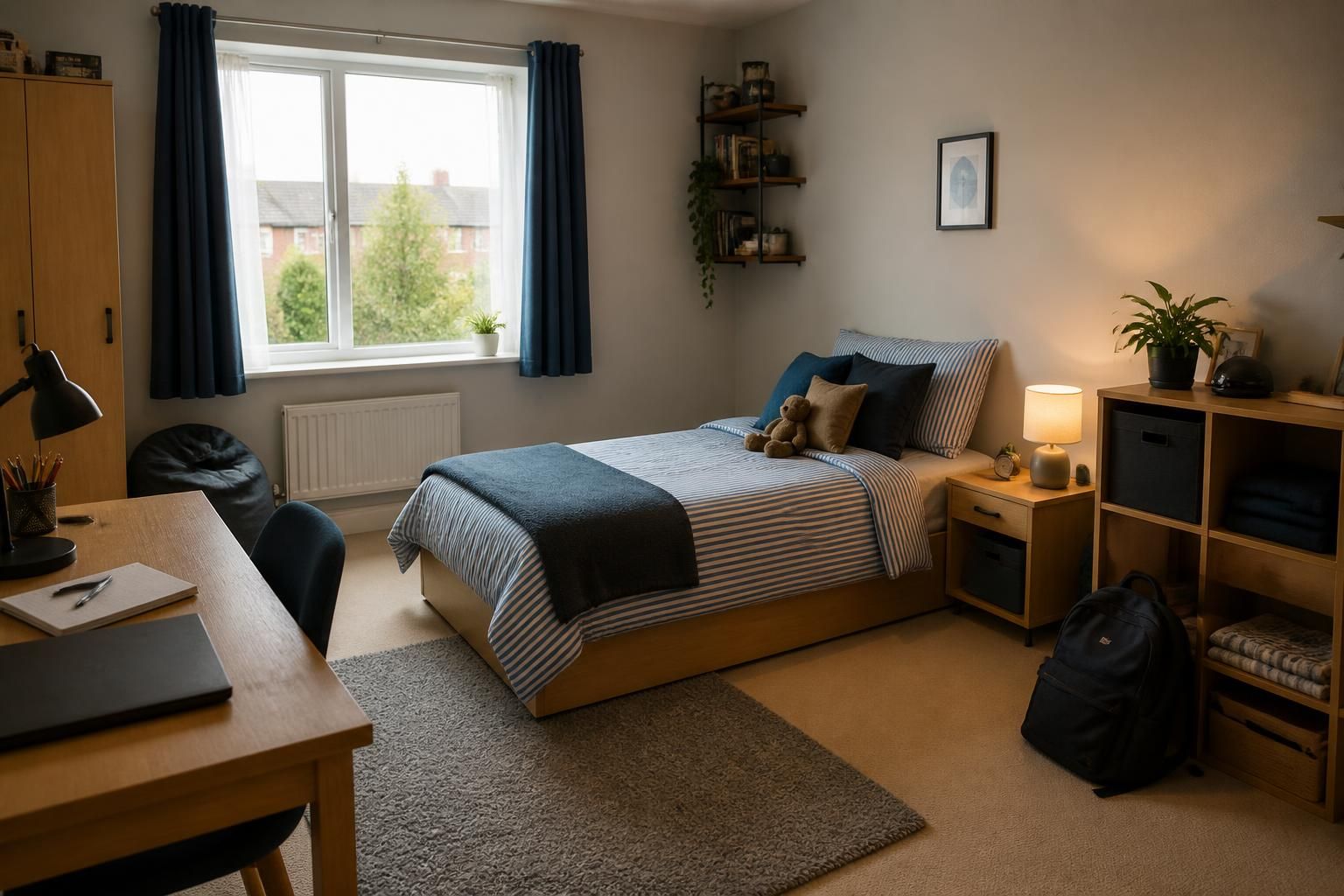
The child’s bedroom is considered for more than its size. It should be a settled, usable space that can accommodate appropriate furniture, clothing, personal belongings and any equipment identified during the assessment. The room should offer privacy and be furnished in a way that is suitable for the child’s age. A prospective foster carer may need to think about whether the room can be made welcoming without making assumptions about the child’s interests, culture or identity.
Bedroom arrangements are discussed carefully where children are siblings, have additional needs or require particular sleeping arrangements. Sharing may only be appropriate where it is consistent with the children’s welfare and the fostering assessment. The assessing team will also consider the location of the room within the home, how easily the child can reach the bathroom and whether the arrangement allows them to feel part of the household while still having personal space.
Shared rooms should be suitable for family life and for conversations between the child and their foster carers. A living room, dining area or another communal space can help establish routines such as eating together, completing schoolwork, relaxing and taking part in ordinary household activities. There should also be a reasonable balance between time spent together and opportunities for the child to withdraw when they need quiet.
The kitchen needs to support normal meal preparation and allow the child to develop age-appropriate independence. Foster carers should consider how food is stored, how meals and dietary requirements will be managed, and how a child can take part in household routines safely. Cultural, religious, medical and sensory needs may all affect the practical arrangements.
Bathroom arrangements are assessed in relation to the number of people living in the home and the child’s personal care needs. The child should be able to use the facilities with dignity. Additional considerations may apply for children who are very young, have disabilities, need support with personal care or require adaptations to use the room safely.
Other features that may be relevant include:
- an accessible route through the home for a child with mobility difficulties;
- space for specialist equipment, mobility aids or therapeutic resources where these are needed;
- secure and practical arrangements for a child’s personal documents, valuables or important belongings;
- an area where the child can complete homework, read or pursue hobbies;
- an outdoor area that can be used safely, where one is available; and
- enough room for visits, meetings or supported contact arrangements when these form part of the child’s care plan.
A garden is not automatically required, and a home does not need to be large or specially designed to become a foster home. What matters is whether the available space is appropriate for the child being considered and whether the household can provide a stable, practical living arrangement. Flats, maisonettes and homes without private outdoor space may still be considered, subject to the assessment and the needs of the child.
The assessment also looks at how the home functions in practice. This includes who lives there, how rooms are used, sleeping arrangements, pets, visitors, transport, neighbourhood factors and any changes that may be needed before approval. Foster carers should be open about the home’s layout and discuss potential adaptations rather than assuming that every facility must already be in place.
Some children may need adjustments because of disability, trauma, sensory differences, health conditions or developmental needs. These might include different furniture, improved access, additional privacy measures or specialist equipment. Requirements should be based on professional advice and the child’s assessed needs. The fostering service can explain which changes are necessary and whether other agencies should be involved.
Before approval, the fostering assessment includes a home visit and checks relevant to the property and household. Foster carers receive guidance about preparing the rooms, meeting safer-care expectations and making the environment appropriate for a particular child. The home may then need to be reviewed if the household moves, its circumstances change or a child’s needs develop.
In practical terms, prepare by reviewing each room from a child’s perspective: where they will sleep, keep belongings, wash, eat, study, relax and spend time with the family. Remove unnecessary clutter, identify potential access problems and consider how the arrangement can preserve privacy without isolating the child. The final decision is based on the overall suitability of the home, not on owning a particular type of property or having expensive furnishings.
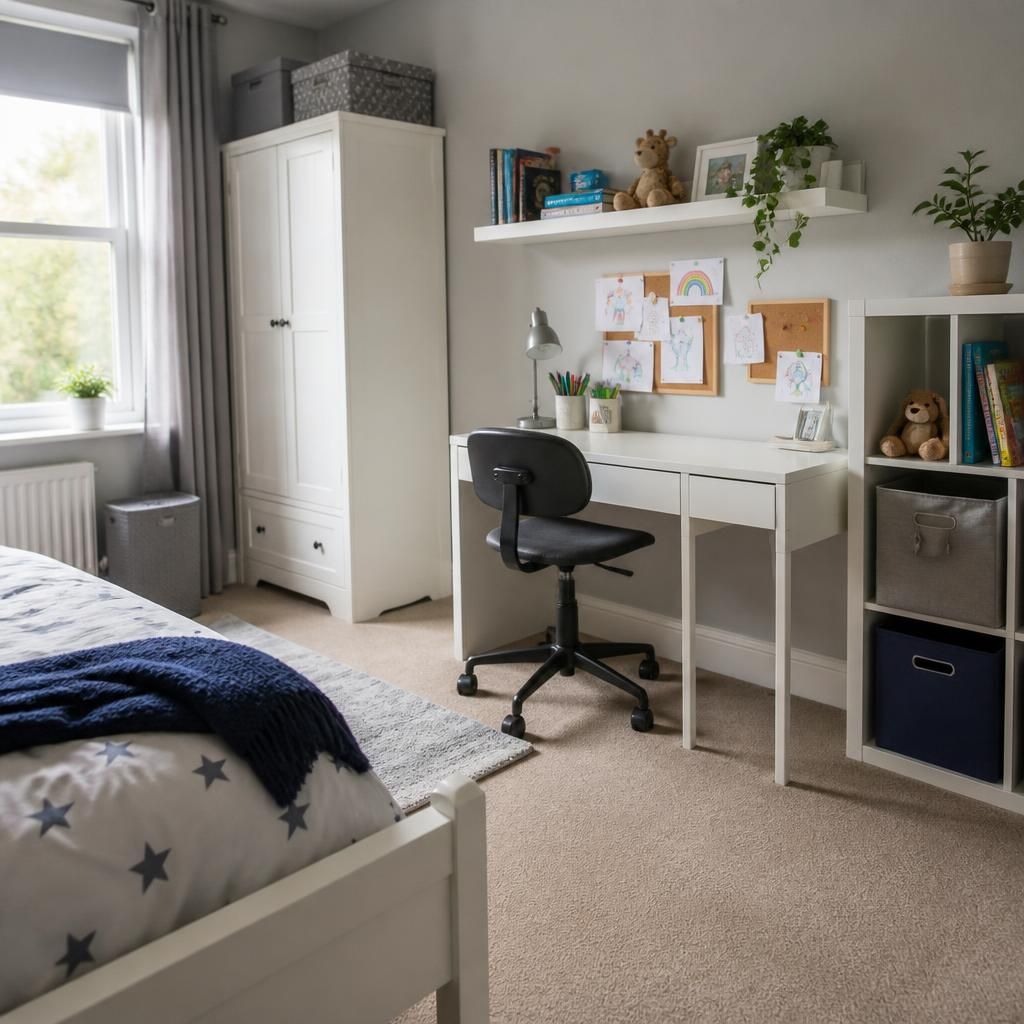
A foster home does not need a separate laundry room, but it should have a practical arrangement for washing, drying and storing a child’s clothes, towels and bedding. This is particularly important when a child has younger developmental needs, experiences bedwetting or needs frequent changes of clothing.
Consider whether the washing machine and drying facilities are suitable for the household, where clean items will be kept, and how the child can gradually take part in laundry routines if appropriate. Foster carers should also agree how personal clothing and bedding will be labelled, washed and replaced, while respecting the child’s preferences, culture and dignity.
Talk to us about preparing your home for fostering
If you are considering fostering, talk to our team about your home’s layout and any questions you have about preparing it for assessment. We can explain the next steps and help you understand what may be needed for a child’s individual needs.