
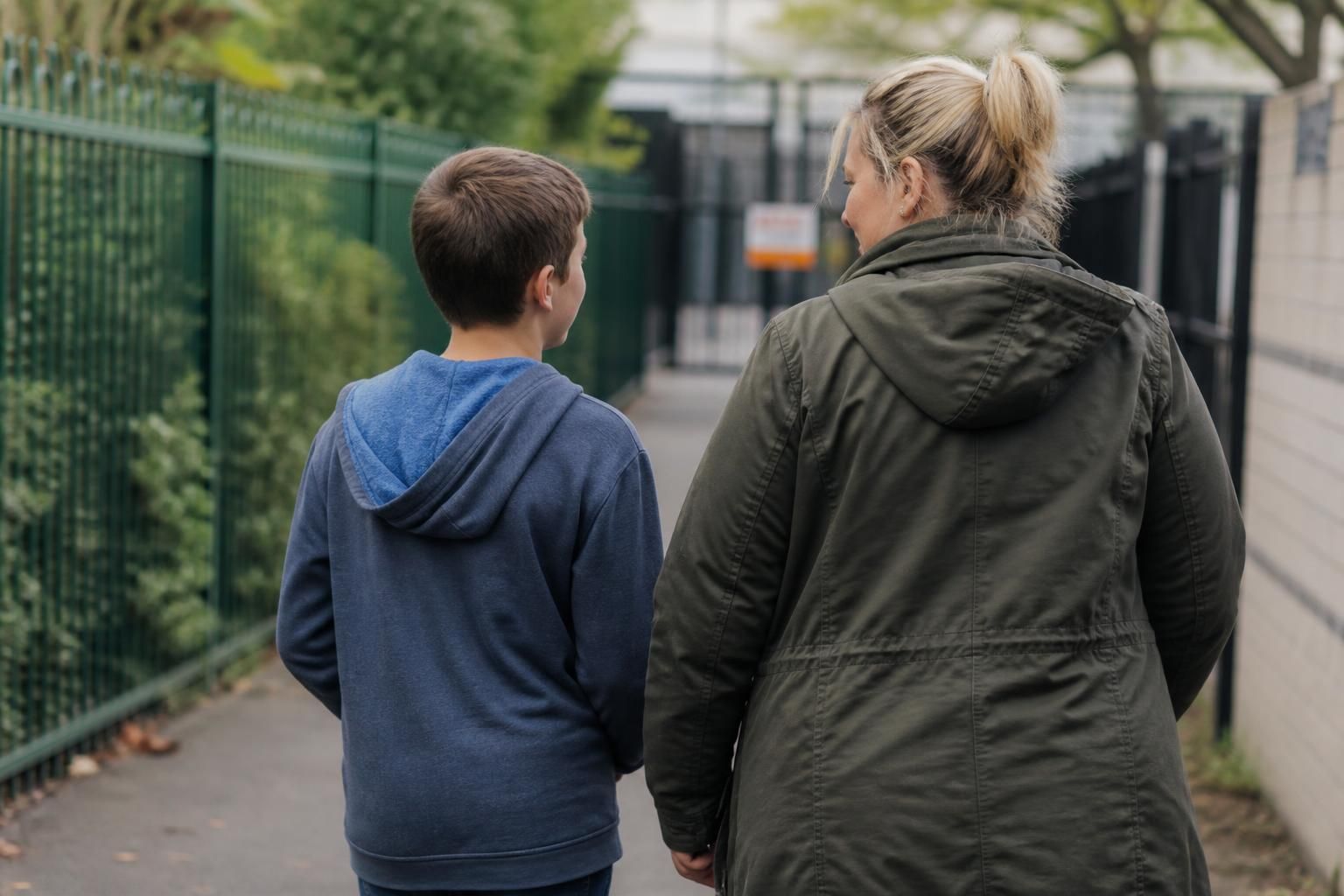
Which types of foster care placement involve family contact arrangements?
Family contact arrangements can form part of most foster care placements, including emergency, short-term, long-term, respite and specialist placements, depending on the child’s care plan and legal arrangements. Foster carers may support contact with parents, siblings or other significant people by helping with transport, preparation, supervision or communication, as agreed with the placing authority.
Partnering with an
Ofsted Outstanding Provider
Family contact is most commonly part of short-term and long-term foster care, but it can also be arranged for emergency, respite and specialist placements when this is in the child’s care plan. The type of placement does not decide contact on its own. The placing local authority, the child’s social worker and, where relevant, the court determine who the child sees, how often contact takes place, where it happens and what safeguards apply.
Short-term placements. Contact with parents and other relatives is often an important feature while assessments, court proceedings or plans for the child’s next move are being considered. Arrangements may change as professionals learn more about the child’s needs. Foster carers might help the child prepare, take them to an agreed venue, collect them afterwards and share relevant observations with the supervising social worker or child’s social worker.
Long-term placements. Children living with foster carers for a longer period may continue to see parents, brothers and sisters, grandparents or other significant people. The contact plan should fit around the child’s education, health, routines and emotional wellbeing. It may be reviewed if the child’s circumstances change, if contact becomes difficult or if the plan for permanence develops.
Emergency placements. Contact may not be fully established when a child first arrives in an emergency placement. The immediate priority is usually to help the child feel safe and to follow the information provided by the placing authority. Contact can then be arranged, amended or paused in line with professional and legal decisions. Foster carers should not make informal arrangements with family members without agreement from the relevant professionals.
Respite placements. A child staying with respite foster carers may already have established family contact arrangements. The respite carer will normally follow the existing plan rather than create a new one. Depending on the length and purpose of the stay, contact may take place during the respite period or may be managed by the child’s usual carers and professionals.
Specialist placements. Children with complex needs may need contact arrangements adapted to their communication, behaviour, health or emotional needs. This could involve a carefully planned venue, a specific level of supervision, shorter or more structured sessions, or preparation before and support after contact. The arrangements should be explained to the foster carer as part of the placement planning process.
Contact with siblings and wider family. Maintaining sibling relationships may be particularly important where brothers and sisters live in different households. Contact could involve visits, shared activities, telephone calls or other agreed communication. The child’s wishes, age, relationships and safety all need to be considered. Contact with grandparents, extended family members or another significant adult is also possible where it supports the child’s welfare and has been approved through the appropriate process.
Supervised and unsupervised contact. Supervised contact takes place with an approved adult or professional present. Their role is to help keep the child safe, observe interactions where required and report concerns. Unsupervised contact means the approved arrangement does not require direct supervision, but it still takes place within agreed boundaries. Foster carers should understand who is responsible for supervision, what information can be shared and what to do if a session does not go as planned.
The foster carer’s responsibilities. A foster carer may be asked to support contact by helping the child understand what will happen, arranging practical travel, bringing essential belongings, offering reassurance afterwards and recording factual information. Carers should avoid questioning the child in a way that may influence what they say. If a child discloses a concern, appears distressed or does not want to attend, the carer should follow safeguarding and reporting procedures rather than promising secrecy or changing the arrangement independently.
Contact can be emotionally demanding for children. They may appear settled before a visit and become upset, withdrawn, angry or unsettled afterwards. A calm routine, age-appropriate explanations and time to recover can help. Foster carers should share significant changes in behaviour or presentation with the supervising social worker and the child’s social worker. They are not expected to manage difficult contact arrangements without guidance.
How arrangements are agreed. Before contact begins, the foster carer should be given clear information about the plan, including the people involved, location, frequency, duration, transport, supervision, permitted communication and arrangements for cancellations. Restrictions may apply where there are safeguarding concerns, court directions or conditions linked to the child’s care plan. The carer should ask for clarification if instructions are unclear or appear inconsistent.
Contact arrangements are not necessarily permanent. They should be reviewed when the child’s needs, legal circumstances, relationships or placement plan change. Foster carers can contribute observations about how contact affects the child, while decisions remain with the responsible professionals and, where applicable, the court. Training, supervision and ongoing support help foster carers understand their role and respond appropriately to the practical and emotional demands of family contact.

Family contact arrangements do not always mean face-to-face visits. Where direct contact is not suitable or practical, a child may keep in touch with parents, siblings or other relatives through letters, cards, telephone calls or approved online communication. The child’s care plan should state which methods are allowed and who manages them.
Foster carers should follow the agreed communication plan and protect the privacy of everyone involved. Personal phone numbers, home addresses, school details and social media accounts should not be shared unless this has been specifically approved. Carers should also avoid making private contact arrangements with relatives or accepting unplanned messages. Any concern about the content, frequency or effect of communication should be recorded factually and raised with the supervising social worker.
Talk to us about family contact arrangements
If you are considering fostering and would like to discuss how family contact may fit with your role, talk to our team about your questions and possible next steps.