
How does whole family fostering affect privacy and personal space?
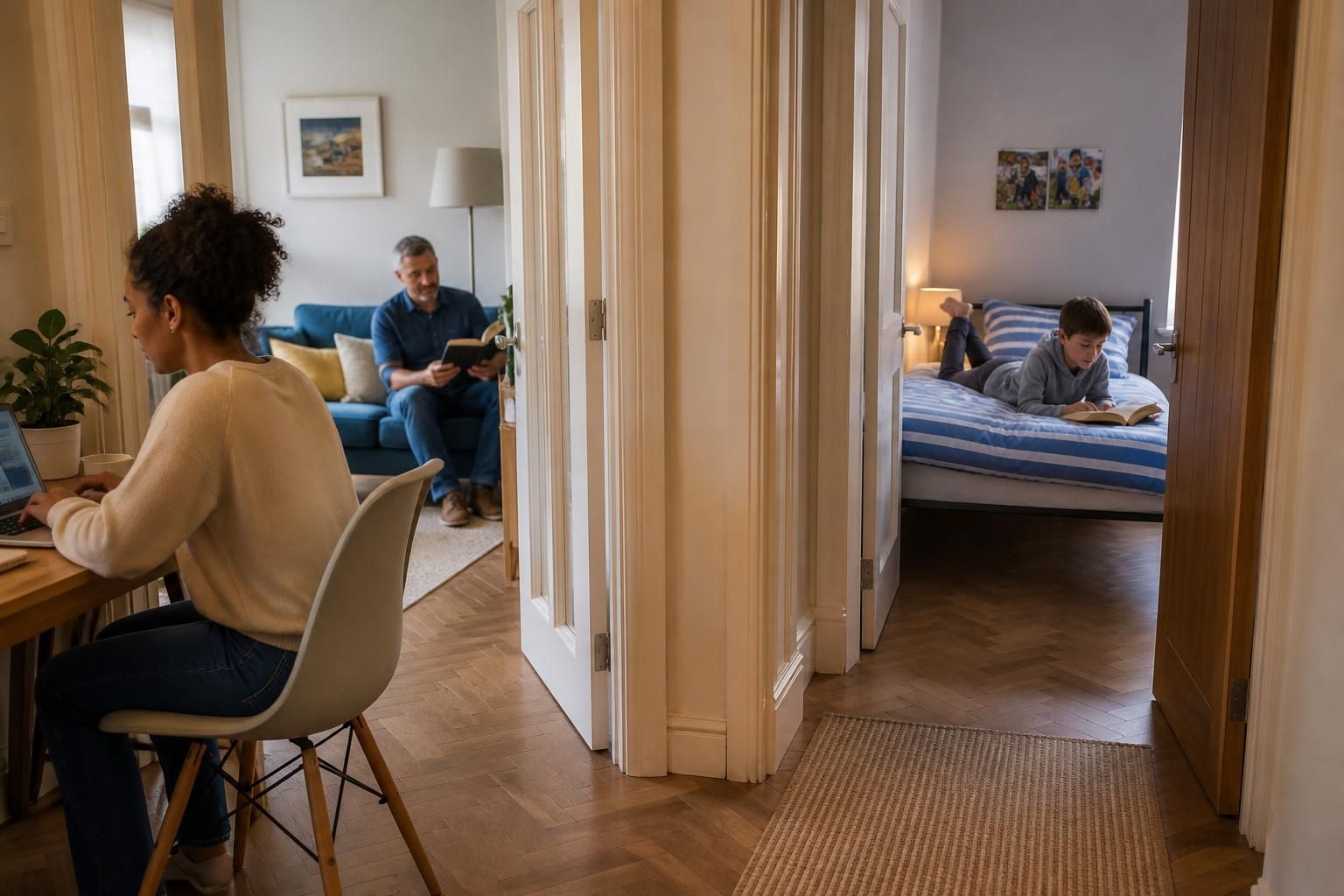
Whole family fostering can reduce personal space because routines, rooms and family time are shared with a foster child, while everyone’s need for privacy must still be respected. Clear household boundaries, agreed quiet time and suitable private spaces help family members and the foster child adapt safely and comfortably.
Partnering with an
Ofsted Outstanding Provider
Whole family fostering affects privacy by introducing a child’s care, history and professional involvement into ordinary family life. It does not mean that family members lose all private information or that the foster child is expected to share every part of their life. Instead, the household needs clear arrangements about confidentiality, access, visitors, technology and time together.
Confidentiality is a central part of fostering. Foster carers may receive sensitive information about a child’s background, health, education and relationships. This information should only be shared with people who need it to support the child safely. Family members, including children in the household, need age-appropriate guidance about what can and cannot be discussed with friends, relatives, neighbours or online. A foster child’s name, photograph, history and personal circumstances should not be posted on social media or discussed casually.
This can affect family conversations. Carers may need to avoid discussing confidential matters in shared areas or in front of household members who do not need to know the details. It can help to agree where private conversations will take place and how family members should respond if someone asks questions about the foster child. Younger children may need simple explanations, reminders and supervision rather than being expected to understand confidentiality in the same way as an adult.
Physical privacy also needs careful planning. The household should consider how the foster child will use bedrooms, bathrooms and shared areas, and how everyone can change clothes, sleep, study or make personal phone calls without unnecessary interruption. The exact arrangements depend on the child’s age, needs and the home’s layout. During assessment, the fostering service will consider whether the accommodation is suitable and whether household members can use it safely and comfortably.
Foster children may have experienced disrupted relationships, unsafe environments or a lack of control over their personal belongings. Respecting their privacy can therefore be part of helping them feel secure. Carers should avoid entering the child’s room without a good reason, going through possessions unnecessarily or pressuring the child to discuss personal matters. At the same time, safeguarding responsibilities mean that carers must act if there is a concern about safety, self-harm, exploitation or another risk. Privacy is important, but it is not an agreement to keep harmful information secret.
The household’s own privacy can also be affected by professional involvement. Fostering may involve visits, meetings, telephone discussions, written records and communication with people involved in the child’s care. These activities should be managed discreetly and in line with the fostering service’s procedures. Carers should ask how records must be stored, who may access them and how confidential paperwork should be disposed of. Digital devices and shared email accounts may need particular attention so that personal information is not seen accidentally.
Visitors and social occasions require forethought. Before inviting relatives, friends or tradespeople into the home, carers should consider the foster child’s comfort, safety and confidentiality. The child should not be introduced as a source of information about their past, and visitors should understand any relevant household expectations without being given unnecessary personal details. Some children may also find busy gatherings difficult, so the family may need to plan an alternative arrangement that allows the child to take part without feeling exposed.
Privacy is usually managed through practical agreements made before and during the placement. A family can discuss:
- which information is confidential and how it will be explained to each household member;
- how bedrooms, bathrooms and shared facilities will be used;
- when family members can have uninterrupted personal time;
- how visitors, overnight guests and family events will be handled;
- where fostering records and communications will be kept;
- what rules apply to phones, gaming, cameras and social media; and
- who to contact if a privacy or safeguarding concern arises.
These arrangements may need to change as the child settles, develops more independence or faces a change in circumstances. A child who initially needs close supervision may later need more autonomy, while a new concern may require tighter safeguards. The fostering household should review what is working with its supervising social worker and include the foster child’s views where appropriate.
Whole family fostering works best when privacy is treated as a shared responsibility rather than as an issue belonging only to the foster carers. Every household member should know what is expected, understand why confidentiality matters and have a suitable way to raise concerns. During the assessment and preparation process, families can ask the fostering service how privacy will be protected, what information will be shared with them and how professional visits and records will be managed.
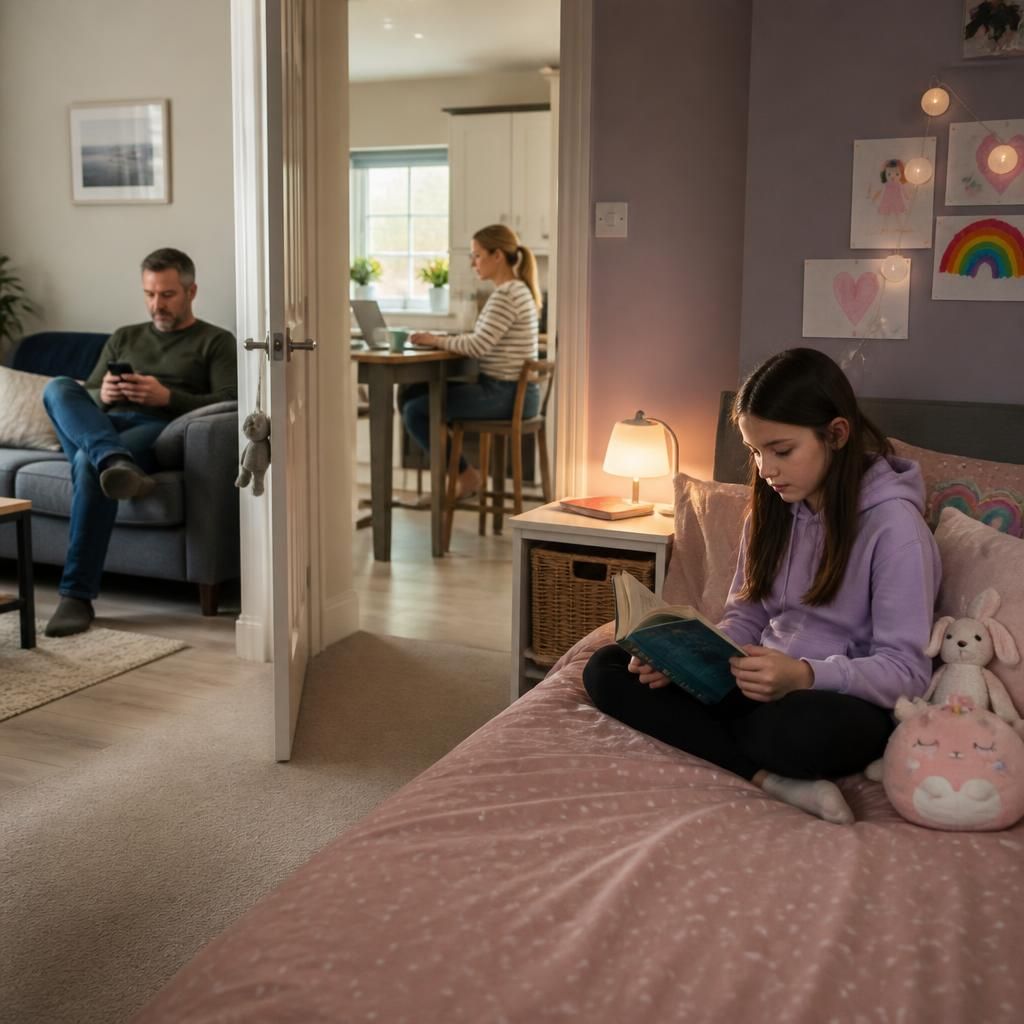
Privacy in whole family fostering also includes protected one-to-one time with each household member. Shared routines should not replace the individual attention that children already in the home, foster carers and the foster child may need to feel secure and valued.
Families can plan regular individual activities around existing commitments, such as a carer spending time alone with a birth child, or the foster child having a separate activity suited to their age and interests. These arrangements should be predictable but flexible, so they do not make anyone feel excluded or suggest that the foster child is responsible for changing family relationships.
It is useful to review these arrangements after a placement begins. A child’s needs, confidence and relationships may change, and household members should be able to say when they need more time alone or more direct support. Discussing this with the supervising social worker can help the family protect personal relationships while remaining fair and inclusive.
Discuss privacy and personal space in whole family fostering
If you are considering whole family fostering, speak to our fostering team about how privacy and personal space would be assessed in your household. You can ask questions about preparation, expectations and the support available before deciding whether to apply.