
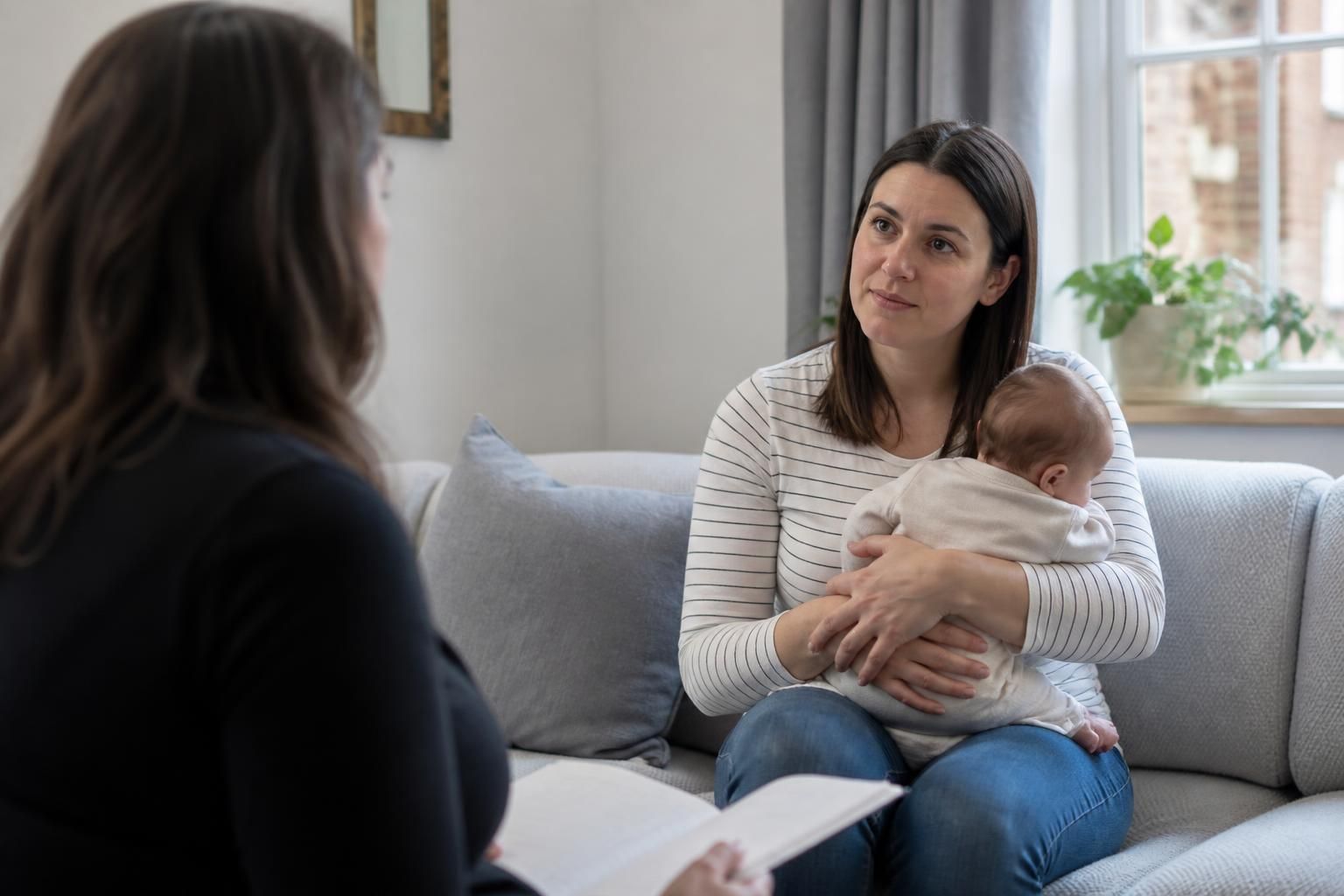
Can I decline an emergency infant placement?
Yes, you can decline an emergency infant placement if you do not believe it is suitable for your household, skills or available space. Explain your reasons to your fostering service promptly so they can assess future referrals appropriately and discuss any support or information that may help you make an informed decision.
Partnering with an
Ofsted Outstanding Provider
Declining a referral is different from refusing to foster altogether. An approved foster carer is not normally expected to accept every placement offered, because each referral must be considered against the child’s needs, the carer’s approval, the household’s circumstances and the likely impact on everyone living in the home.
Before making a decision, ask for the information available. Emergency referrals may be made with limited notice, but the fostering service should explain as much as it can about matters such as:
- the infant’s age, health and immediate care needs;
- any known medication, appointments or developmental concerns;
- the reason for the emergency placement and its expected duration;
- contact arrangements with parents or other relatives;
- where the infant will sleep and what equipment is required;
- whether other children or adults will be involved in the care; and
- any known risks, legal considerations or professional involvement.
You can discuss these points with your supervising social worker or the person making the referral. If the information is incomplete, ask what is known, what still needs to be established and what practical support would be available. A referral should be based on an informed discussion rather than pressure to agree immediately.
Give a clear and honest reason if you decline. Relevant reasons might include an existing placement, a change in family circumstances, insufficient sleeping arrangements, a medical or behavioural need outside your experience, or the effect the placement could have on children already living with you. You do not need to accept a placement simply to appear committed. Being honest helps the fostering service improve future matching and avoids accepting a placement that may not be sustainable.
The service may ask further questions about your decision. This is usually part of assessing whether the referral was suitable and whether any additional training, equipment or support could make a similar placement manageable in future. One declined referral does not by itself mean that you are unsuitable to foster. However, a pattern of declining referrals, or decisions that do not appear consistent with your approval or stated circumstances, may be reviewed with you as part of supervision.
Do not agree first and then treat the placement as optional. Once you have accepted an infant into your care, the situation is different. You are responsible for following the placement plan and caring for the child while the fostering service and local authority consider the next steps. If you realise after accepting that the arrangement is unsafe or cannot continue, contact the fostering service and your supervising social worker immediately. Do not end the placement independently or leave the infant’s care to someone who has not been authorised.
If new information emerges after the infant arrives, explain precisely what has changed. This could include an undisclosed medical need, a safeguarding concern, an unmanageable impact on another child in the household or a lack of essential equipment. The fostering service should consider the concern, review the plan and decide what action is required. In an immediate safeguarding emergency, follow the instructions and safeguarding procedures given by your fostering service and the relevant professionals.
It is also reasonable to discuss how an unsuccessful referral may affect your household before accepting it. Consider transport, appointments, supervised family time, sleep disruption, other caring responsibilities and the emotional effect on everyone at home. Emergency infant fostering can involve frequent coordination with social workers, health professionals and the child’s family, so practical capacity matters as well as willingness.
Keep a brief record of the referral, the information provided, the questions you asked and the reason for your decision. This can help your supervising social worker understand your boundaries and identify the types of referral that are appropriate for you. If you are unsure, ask for advice before responding rather than agreeing without enough information. Become a Foster Family can explain the assessment, matching and support arrangements so you can make a decision that protects the infant and is realistic for your household.
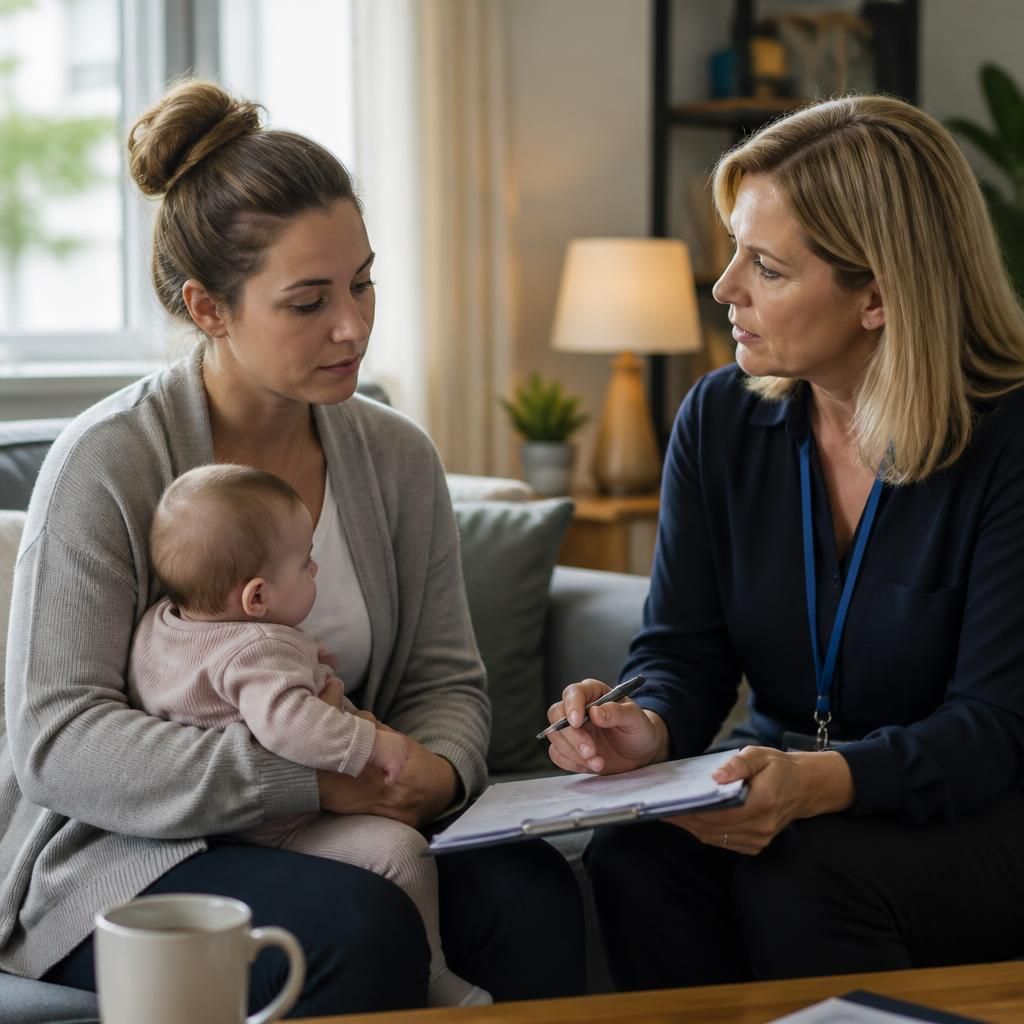
Your decision should also reflect the terms of your fostering approval. These set out the age range, number of children and types of care your household has been assessed to provide. If an emergency infant referral falls outside those terms, ask the fostering service to explain whether a formal review or variation would be needed before it could be considered.
Check the proposed arrangement against your safer caring guidance and placement plan, including who can provide care and what responsibilities can be delegated. If the referral would require arrangements that have not been assessed or agreed, raise this before accepting. Clear boundaries help ensure that any placement decision is consistent with your approval and the infant’s care needs.
Get advice before deciding on an emergency infant placement
Speak to Become a Foster Family to discuss your circumstances and what to consider before responding to an emergency infant referral. Our team can help you understand the assessment and support arrangements relevant to your situation.