
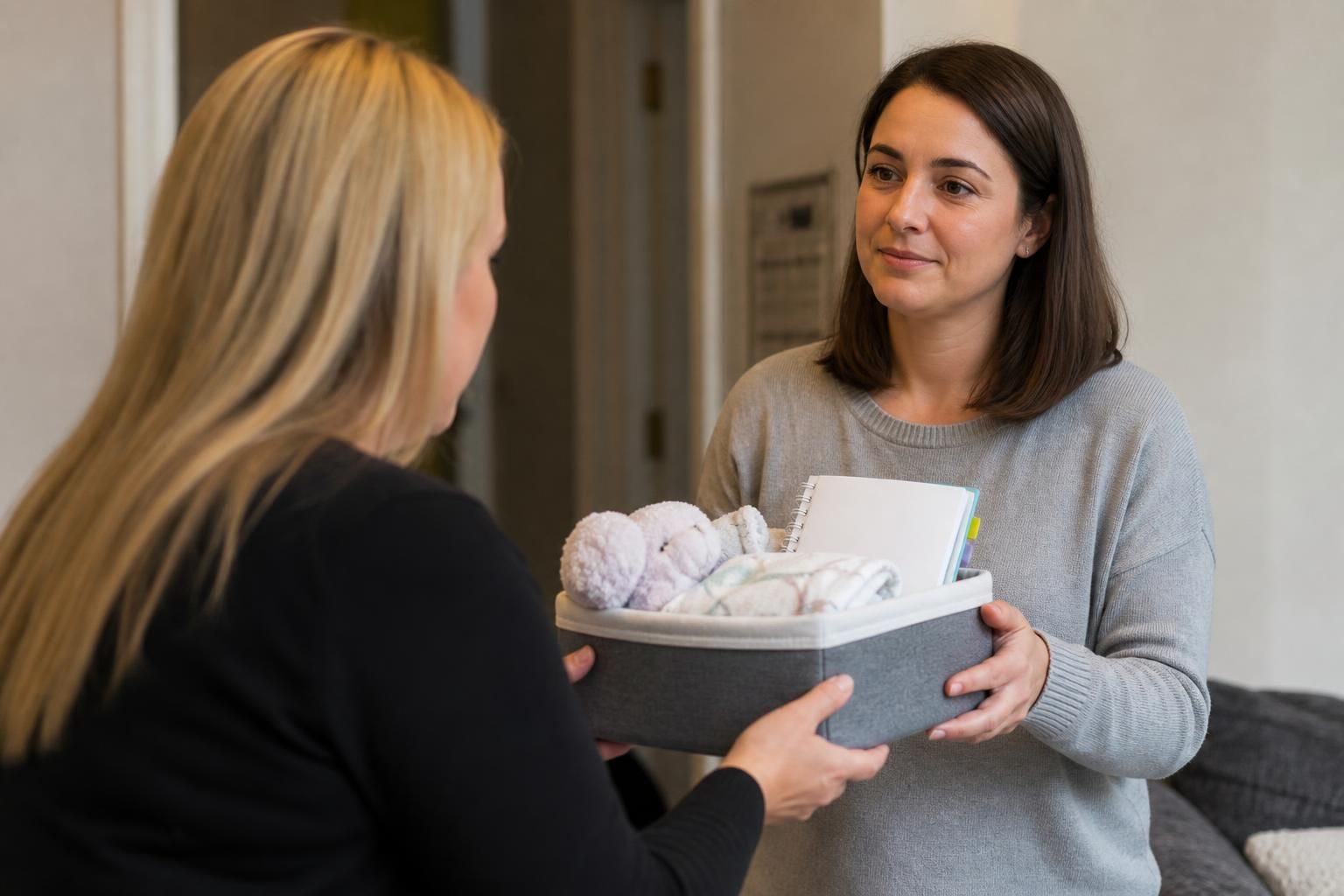
What happens when an emergency infant foster placement ends?
When an emergency infant foster placement ends, the child’s social worker coordinates the next step, which may involve returning to birth family, moving to a longer-term foster placement, or entering another agreed care arrangement. Your fostering team should guide you through the transition, explain what information can be shared, and provide support after the placement finishes.
Partnering with an
Ofsted Outstanding Provider
The end of an emergency infant placement is managed as a safeguarding and transition process, with the child’s care plan determining what happens next. The supervising social worker, the child’s social worker and other relevant professionals should agree the arrangements, prepare the infant as far as possible and give you clear instructions about your role.
Planning the transition
Before the move, professionals should consider the infant’s attachment, health, routines and developmental needs. The plan may set out who will care for the baby, where the move will take place, who will accompany the child and what information must be passed on. The amount of preparation will depend on the circumstances. Some moves can include introductions or a gradual handover, while urgent safeguarding decisions may mean that a child has to move with limited notice.
You should not make independent arrangements with relatives or other carers. Contact, introductions and information-sharing must follow the social worker’s instructions and the child’s agreed plan. This protects the baby’s confidentiality and avoids giving different messages to the child or the adults involved.
Information to pass on
Your records and observations help the next carers and professionals understand the infant’s needs. You may be asked to provide information about:
- feeding patterns, quantities and any difficulties;
- sleep routines, settling methods and comfort objects;
- nappies, toileting and personal care;
- medication, appointments, illnesses and health concerns;
- behaviour, developmental progress and responses to familiar people;
- contact sessions and any changes you noticed afterwards; and
- important belongings, documents, photographs or items supplied for the child.
Keep your notes factual and distinguish what you directly observed from information given to you by someone else. Your fostering service will explain which records must be completed, how they should be stored and where they should be sent after the placement. Do not retain copies or share photographs and personal information unless you have permission under the relevant arrangements.
Preparing the infant
Babies can be affected by changes in carers, smells, voices, routines and surroundings, even when they cannot understand the reason for the move. Following familiar routines where possible, using agreed comfort items and sharing clear information about the baby’s cues can help the receiving carer provide continuity. The professionals responsible for the move will decide what preparation is suitable; your role is to follow the plan rather than attempt to explain legal or family decisions to the child.
What happens for you as a foster carer
Your supervising social worker should discuss the ending with you and arrange an opportunity to review the placement. This may include the care provided, events during the placement, outstanding health or contact matters and anything that could help future carers. You should raise any concerns promptly, including worries about the handover, missing information or the infant’s presentation before moving.
It is normal for an emergency placement to have an emotional impact, particularly where you have cared for a baby closely. Support may include supervision, a debrief, advice from your fostering team and discussion about whether you need time before considering another placement. The precise arrangements depend on your fostering service and the circumstances of the placement. Ask your supervising social worker how the ending affects your approval, training requirements, records and fostering allowance, as these are governed by the relevant policies and placement agreement.
After the move
Confidentiality continues after the infant leaves your home. Do not contact the child, birth family or receiving carer independently, or post information online, unless this has been expressly agreed. If you are told about a later review or asked for further information, provide it through the social worker or fostering service.
An ending review is also a useful point to check whether any equipment needs returning, whether records are complete and whether you are ready for a future placement. If the placement ended following an allegation, complaint or safeguarding concern, a separate process may apply; your fostering service should explain the procedure and tell you what support and representation are available.
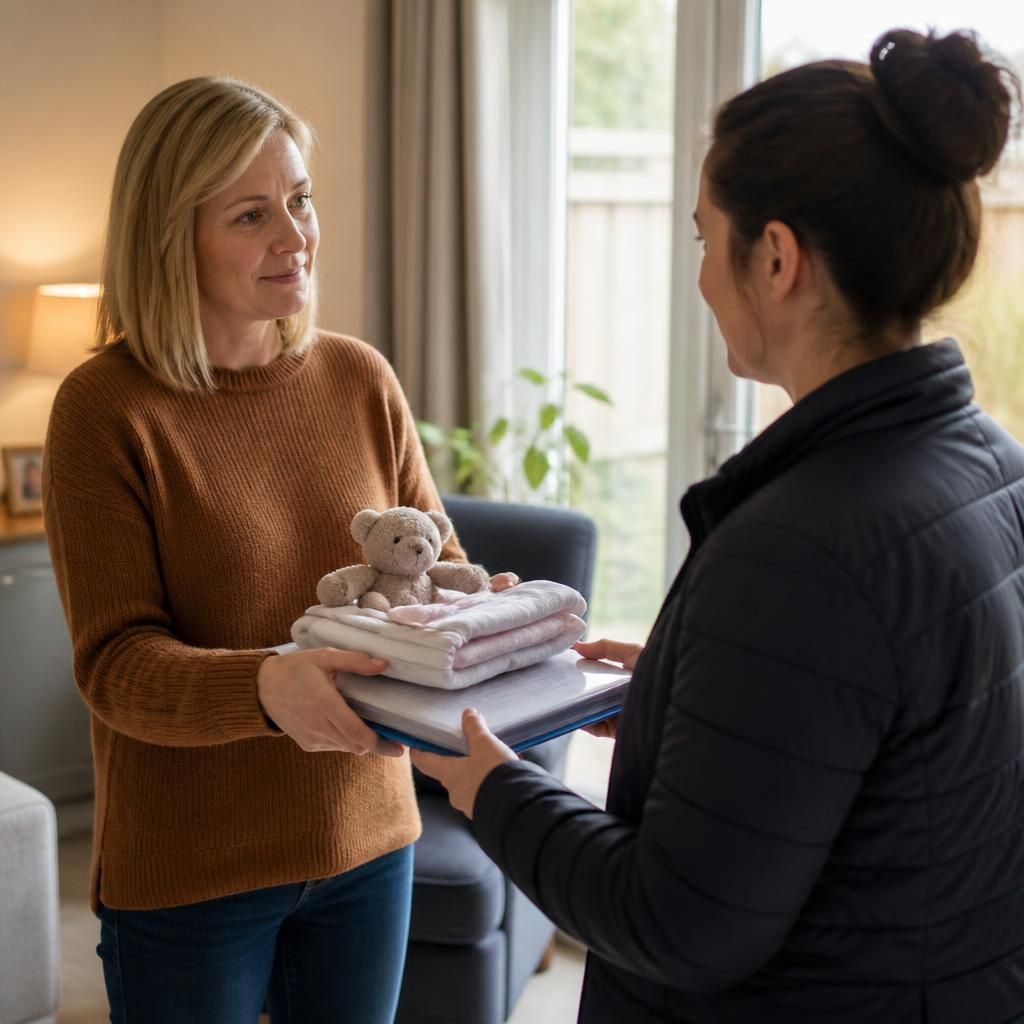
An emergency infant placement ending does not necessarily mean that the child’s wider care case has been resolved. A baby may move while assessments, family discussions or court proceedings continue, so the next arrangement may be reviewed or changed by the professionals responsible for the care plan.
Ask the child’s social worker to explain what has been decided, what remains under review and who will provide any further updates. Your role is to support the agreed move and provide accurate information about the placement, rather than assume that the move confirms a permanent outcome for the child.
Discuss your next steps after an emergency infant placement
Contact our fostering team to discuss your next steps after an emergency infant placement, including any questions about support, training or future fostering plans.