
What household space is needed for emergency infant foster care?
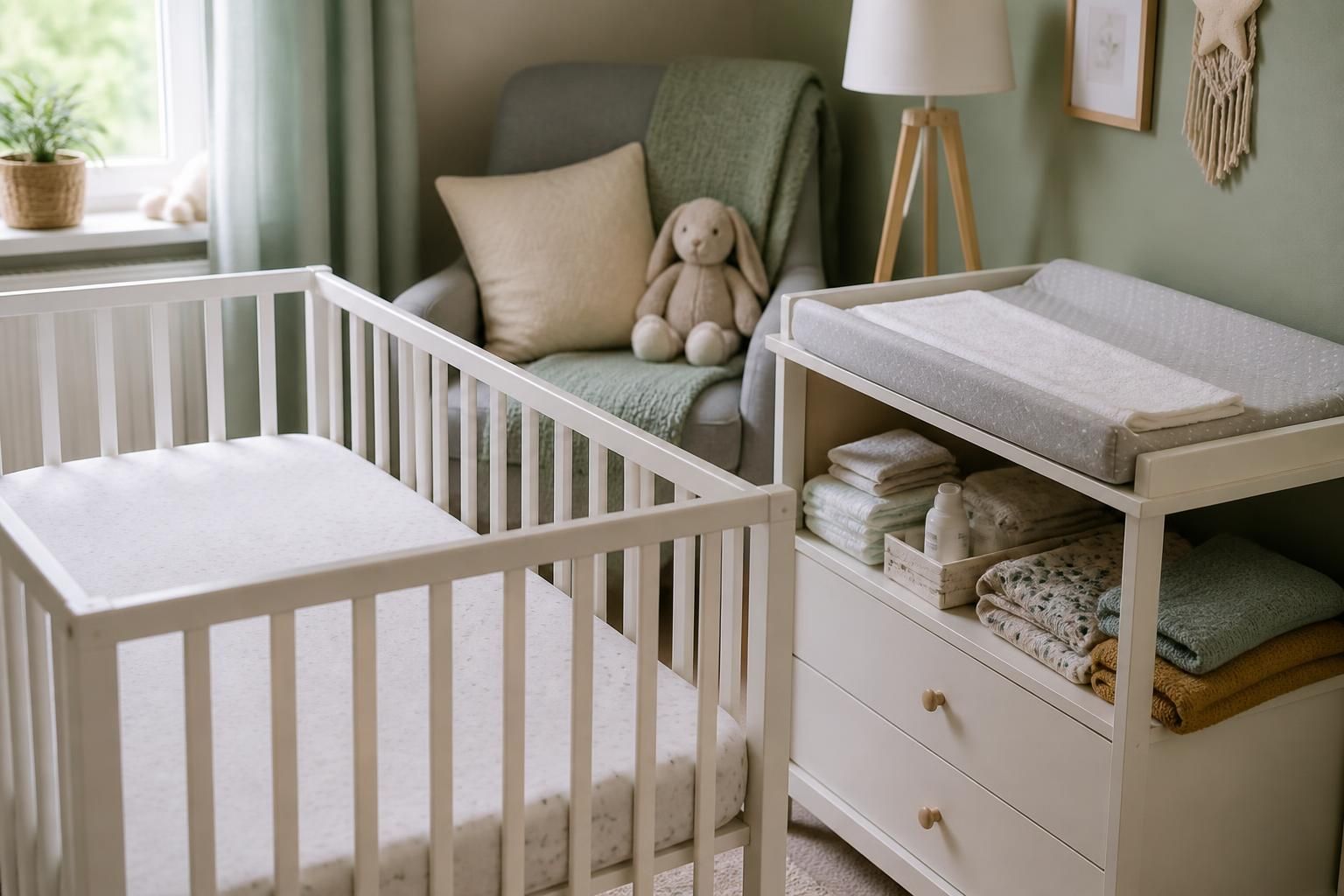
Emergency infant foster care requires a safe, suitable sleeping arrangement, usually a cot in the foster carer’s bedroom, together with enough space for changing, feeding, clothing and essential baby equipment. During assessment, the fostering team will consider the home’s safety, cleanliness, privacy and available storage, and explain any specific requirements for the infant placed with you.
Partnering with an
Ofsted Outstanding Provider
For emergency infant foster care, your home needs enough practical space for a baby to sleep safely and for you to carry out everyday care without overcrowding. This usually means a suitable sleeping arrangement, clear areas for essential equipment, and room to move safely between the bedroom, bathroom and living areas.
The fostering assessment will look at how the household space works in practice, rather than focusing only on the size of the property. Important considerations include:
- Sleeping arrangements: an infant may sleep in a cot in the foster carer’s bedroom, particularly during an emergency placement. The arrangement must allow you to supervise and care for the baby while maintaining appropriate space for your own sleeping needs.
- Space for equipment: you may need room for a pushchair, car seat, sterilising equipment, baby monitor, bath support, nappies and clothing. Equipment should be stored where it is accessible but does not obstruct corridors, stairs, doorways or exits.
- Changing and dressing: there should be a stable, practical area for changing the baby and organising clothes, nappies and care supplies. This does not necessarily require a separate nursery; a properly arranged area may be suitable.
- Living areas: the infant should have a comfortable place to spend supervised time during the day. Consider whether you can position baby equipment without blocking family activities or creating trip hazards.
- Bathroom and washing facilities: you need reasonable access to facilities for bathing, handwashing and laundering bedding and clothing. The assessor may discuss how these routines would work alongside the needs of other household members.
- Personal and household boundaries: the arrangement should provide appropriate privacy for the child and the adults caring for them. The team will consider how bedrooms, shared areas and visitors are managed within your household.
You do not normally need to create a fully furnished nursery before applying. Emergency placements can involve different ages, routines and equipment needs, so it is more useful to have a flexible area that can be adapted when the child’s needs are known. The fostering team can explain which items should be available before approval and which may be provided or arranged for a particular placement.
If you rent your home, you should check whether your tenancy places restrictions on fostering or on making changes to the property. Home ownership itself is not the test; the key issue is whether the accommodation is suitable for the child and everyone living there. The assessment may also consider who else uses the home, whether there are pets, and how space is shared during normal family life.
Before an emergency infant placement, it is sensible to prepare a clear route through the home, remove unnecessary items from the intended care areas and identify where essential supplies will be kept. Avoid buying large quantities of equipment until the child’s needs are confirmed, as a baby may arrive with particular medical, feeding or mobility requirements.
Your fostering assessment will consider the whole household and the proposed arrangement, including any children or adults who live there. If your circumstances change, such as moving home, taking in another household member or changing bedrooms, tell the fostering team so that the suitability of the arrangement can be reviewed.
Become a Foster Family can explain the household requirements during the assessment and help you understand how your existing space could be organised for emergency infant fostering.
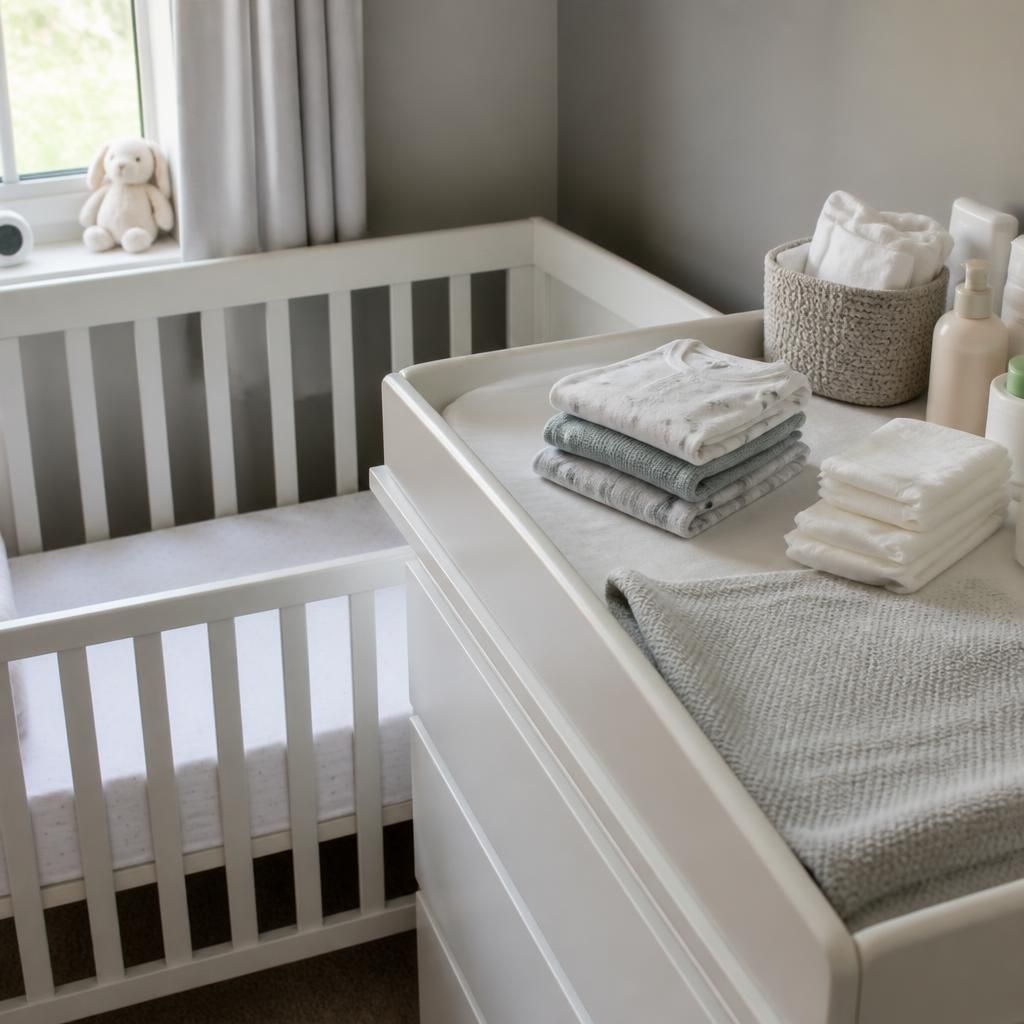
For emergency infant foster care, the sleeping space must support safer sleep as well as supervision. A baby should have a suitable cot or cot bed with a firm, flat, well-fitting mattress and appropriate bedding, positioned so that the foster carer can reach and check the infant easily. The cot should be kept clear of pillows, duvets, bulky toys and other items that could affect the baby’s breathing.
Positioning also matters. Keep the cot away from heaters, blind cords, trailing cables and areas where other children or pets could disturb the infant. The fostering team will discuss safer sleeping guidance, the equipment required and how the arrangement should be adapted if the baby has medical, developmental or mobility needs.
Discuss your household space for emergency infant foster care
If you are unsure whether your current household arrangement is suitable for emergency infant foster care, discuss it with Become a Foster Family. The fostering team can explain how your space would be considered during assessment and what preparation may be needed.