
Can I foster a newborn in a flat?
Yes, you may be able to foster a newborn in a flat, provided it offers a safe, suitable environment and meets fostering requirements. During your assessment, the space, sleeping arrangements, safety measures, household circumstances and any landlord or tenancy restrictions will be considered.
Partnering with an
Ofsted Outstanding Provider
A flat can be suitable for fostering a newborn. The key issue is not whether the property is a house or flat, but whether it provides enough safe, practical space for a baby and allows you to meet the responsibilities of fostering. Your fostering service will look at how the accommodation would work in everyday life, including sleeping arrangements, access to the building and the safety of any shared or outdoor areas.
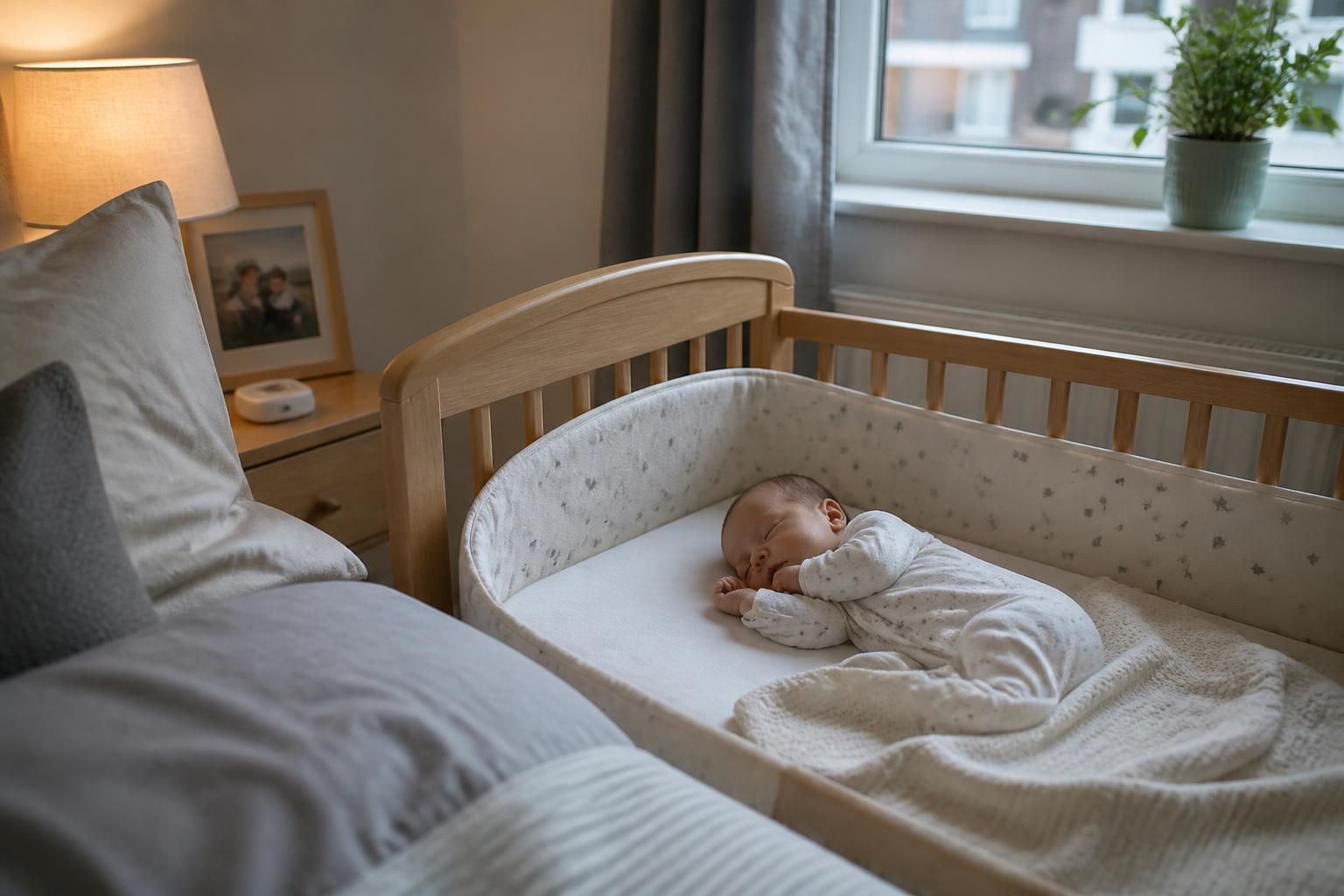
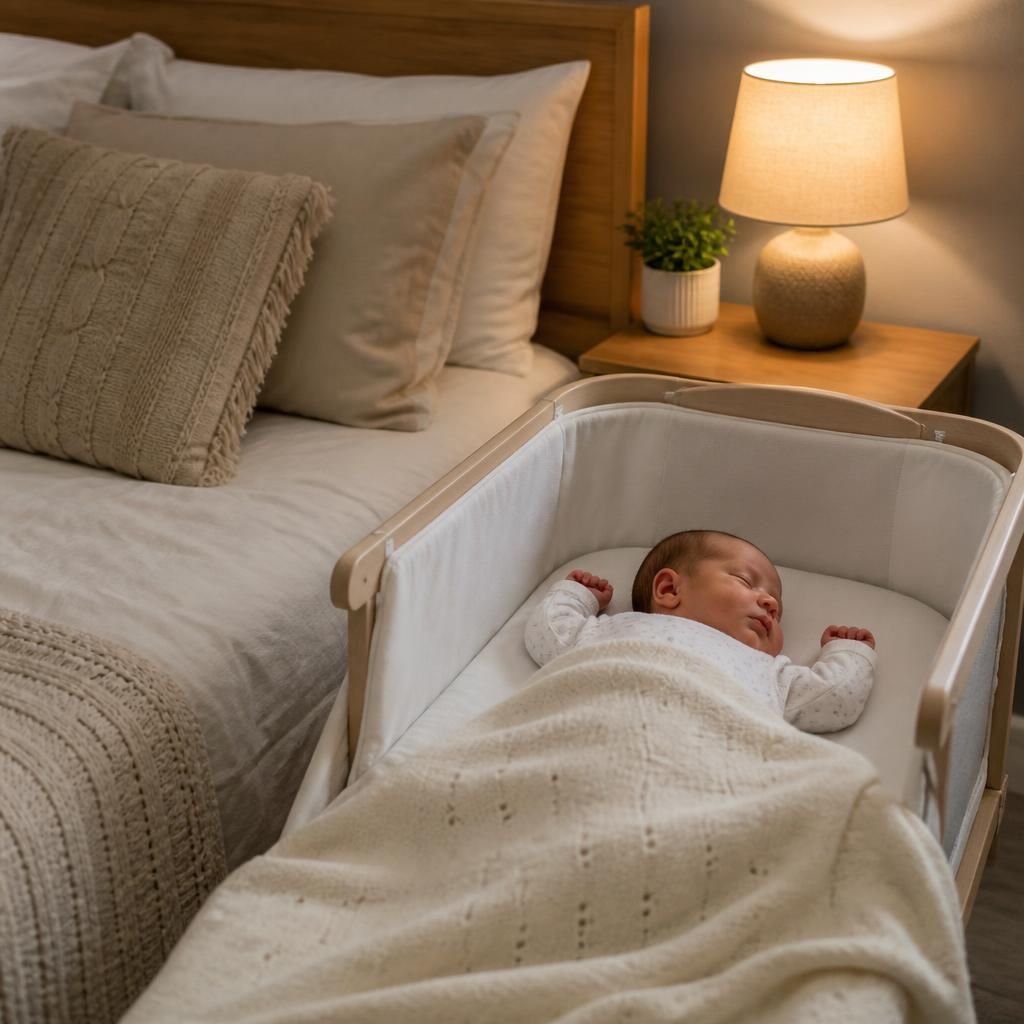
Newborns commonly need close supervision and may need to sleep in the foster carer’s bedroom at first, using an appropriate cot or crib. The proposed arrangement should leave enough room to move safely around the sleeping space and carry out night-time care. You should also consider where you would store nappies, clothing, feeding equipment and records without creating trip hazards or blocking access.
Flats can have particular safety points that need careful consideration, such as:
- secure windows, balconies and any accessible ledges;
- the condition and security of communal entrances, corridors and stairways;
- how you would leave the building safely in an emergency, particularly while carrying a baby and essential equipment;
- the position and operation of smoke alarms and other fire-safety measures;
- whether a lift, shared entrance or restricted access could affect appointments, contact arrangements or transporting the child;
- where a pram, car seat and other essential items could be kept safely without obstructing communal routes.
The assessment will also consider the wider household and how fostering would fit into your daily routine. This may include who lives in the flat, whether there are pets, how you would manage visits and appointments, and whether the environment can provide a calm, consistent space for a newborn. A smaller home is not automatically unsuitable, but there must be a realistic plan for caring for the child alongside your existing responsibilities.
If you rent your flat, check the terms of your tenancy and obtain any required written permission before a placement is considered. If you live in leasehold or managed accommodation, there may also be rules affecting alterations, use of communal areas or the keeping of equipment. Raising these points early helps your assessing social worker understand any practical limits and identify what needs to be resolved.
You will normally need to provide information about your accommodation as part of the fostering application. This is followed by home visits and discussions about safety, household routines and your ability to meet a newborn’s needs. You will also complete preparation training and take part in a full assessment before approval. The exact requirements can depend on the fostering service and the child’s circumstances.
Before applying, it is useful to walk through a typical day and night in your flat. Think about feeding, settling, nappy changes, washing, storing equipment, attending health appointments and managing contact with the baby’s birth family. Consider how you would cope if the baby needed frequent night-time care or if professionals needed to visit your home.
If your flat needs changes, ask for advice before buying equipment or making alterations. Your fostering service can explain which arrangements are likely to be acceptable, what evidence may be needed and how the assessment process works. Become a Foster Family provides information, training, financial support and ongoing guidance to people considering fostering across the West Midlands, including Birmingham, Worcestershire, Staffordshire, Dudley, Sandwell, Herefordshire, Telford, Wolverhampton, Shropshire, Walsall, Warwickshire, Stoke, Solihull, Coventry and Gloucestershire.
One point that can be overlooked in a flat is how privacy will be managed. Foster care involves visits from social workers and other professionals, as well as contact arrangements involving the newborn’s birth family. You should have a suitable private area for these conversations, without relying on communal hallways, shared gardens or other areas where personal information could be overheard.
Keep fostering records, medication and personal documents securely inside the flat, rather than in a shared entrance, hallway or storage area. It is also worth considering how visitors will enter the building and whether you can maintain the child’s privacy when using shared spaces. Discuss any limitations with your assessing social worker so that practical arrangements can be agreed as part of the assessment.
Discuss whether your flat is suitable for fostering a newborn
If you are considering fostering a newborn in a flat, contact Become a Foster Family to discuss your accommodation and the next steps in the assessment process.