
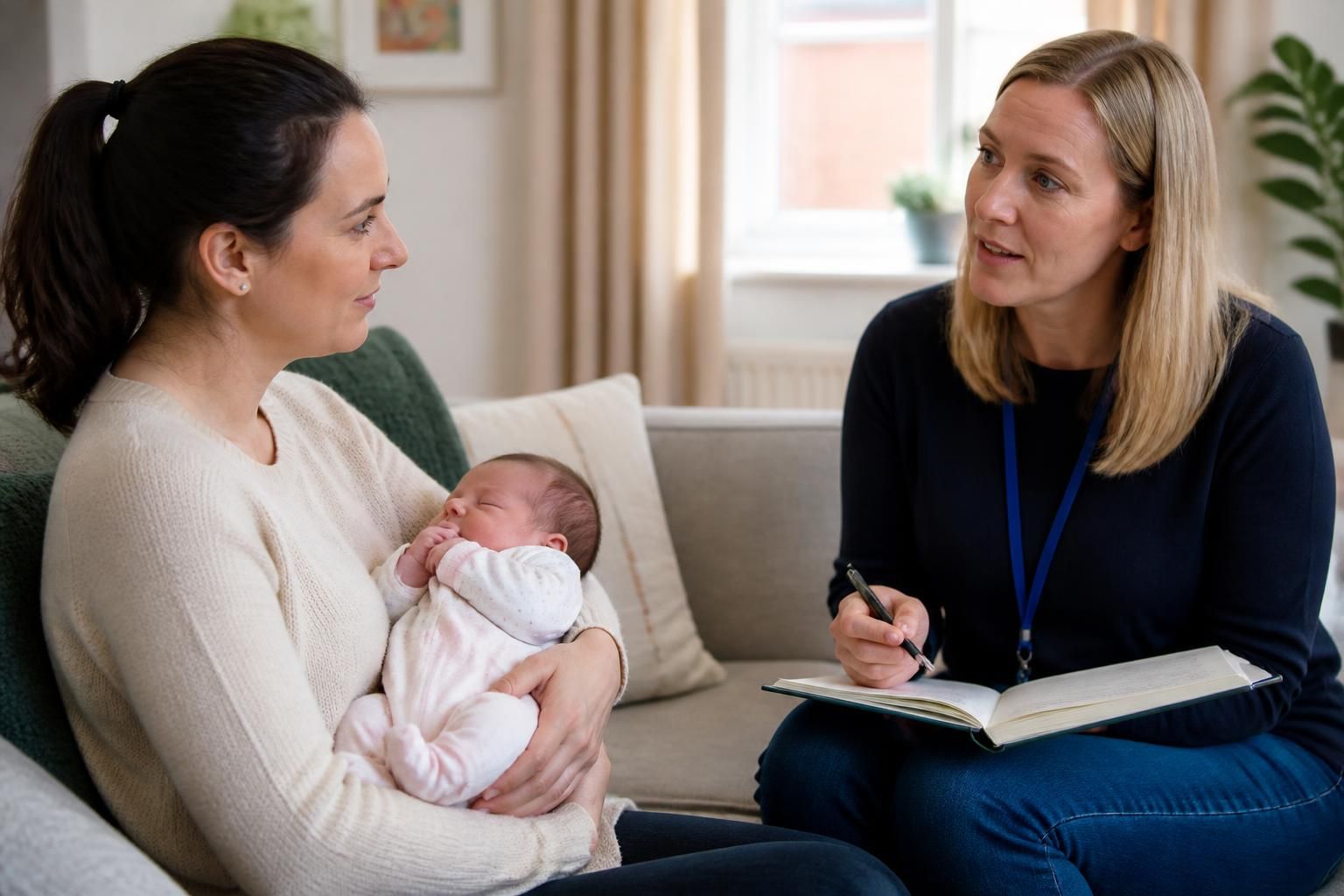
How are newborns matched with foster carers?
Newborns are matched with foster carers by considering the baby’s needs alongside the carer’s approval, experience, household circumstances and capacity to provide safe, consistent care. The matching process may also take account of the baby’s health, family contact arrangements, legal plan and any specialist support required, so the placement is suitable for both the child and the fostering household.
Partnering with an
Ofsted Outstanding Provider
Matching a newborn with foster carers is a safeguarding and suitability process led by the child’s placing local authority, usually with input from the fostering agency. It involves comparing the information known about the baby and the proposed care plan with the household’s approval, skills, practical circumstances and ability to meet the placement’s specific demands. The aim is to identify a safe arrangement that can support the baby’s immediate needs while decisions about their longer-term future are made.
The process generally starts when children’s services prepare a referral about a baby who needs foster care. The information may include:
- the baby’s age, health and developmental needs;
- feeding, sleeping and medication requirements;
- any known exposure to substances, medical concerns or additional support needs;
- the circumstances leading to the baby requiring care;
- the proposed legal plan and likely length of the placement;
- arrangements for contact with parents, relatives or other significant people; and
- any practical requirements, such as appointments, transport or specialist services.
The fostering agency then considers which approved carers may be able to meet those needs. This is more detailed than checking whether a carer has a spare bedroom. The agency may review the carer’s approval terms, previous experience, training, health, household routines, other children in the home, support network and ability to attend appointments or facilitate contact. For a newborn, the assessment also needs to consider whether the household can manage frequent feeds, unsettled sleep, close supervision and the recording of detailed care information.
Carers are normally given the information available before they agree to a proposed placement. A social worker or supervising practitioner should explain the baby’s known needs, the reason for the placement, the expected arrangements and any uncertainties. Carers should be able to ask questions about feeding, health, contact, equipment, transport, professional involvement and the likely impact on their household. Information may be incomplete, particularly when a baby enters care during an urgent or developing situation, so the matching discussion should also identify what is not yet known and how further information will be obtained.
The proposed match is considered by the relevant professionals rather than being based on one factor alone. The placing authority has responsibility for deciding whether the placement meets the child’s welfare needs, while the fostering agency advises on the carer’s suitability and support requirements. The final decision should take account of the baby’s best interests, the carer’s approved capacity and whether the arrangements are realistic and safe for everyone involved.
A newborn’s matching needs may change after the placement begins. Medical information can become clearer, contact arrangements may be reviewed and the legal plan may develop. The placement should therefore be reviewed through regular communication between the carer, the child’s social worker, the fostering agency and relevant health professionals. A good match is not a one-off decision: it is supported by ongoing monitoring, clear information-sharing and prompt discussion of any new concern.
Before accepting a placement, prospective carers should consider whether they can manage the practical and emotional demands involved. Useful questions include:
- What is known about the baby’s health, feeding and development?
- What care tasks will be expected, and what training or professional guidance will be provided?
- How often will contact with birth family take place, and who will arrange transport?
- What records must be kept about feeds, sleep, medication, appointments and changes in presentation?
- What equipment is supplied, and what will the carer need to provide?
- Who should be contacted if the baby becomes unwell or the arrangements become difficult to manage?
- How might the placement affect other children and adults in the household?
Carers are not expected to accept every referral. If the known circumstances do not fit their approval, experience, household or available support, it is appropriate to say that the placement is not suitable. Declining a referral should be based on an honest assessment of capacity and safety, not on pressure to accept a placement that cannot be managed properly. The agency should help carers understand the information provided and discuss whether further support or training would be needed for a future referral.
There is no single profile of a newborn foster placement. Some babies may need short-term care while assessments are completed, whereas others may require a more complex arrangement involving health services, frequent family contact or additional safeguarding measures. The matching decision should reflect the individual baby’s circumstances rather than assuming that all newborn placements are alike. For carers, the most important preparation is to provide accurate information about their experience and household, ask detailed questions and take part in the planning before the placement starts wherever circumstances allow.
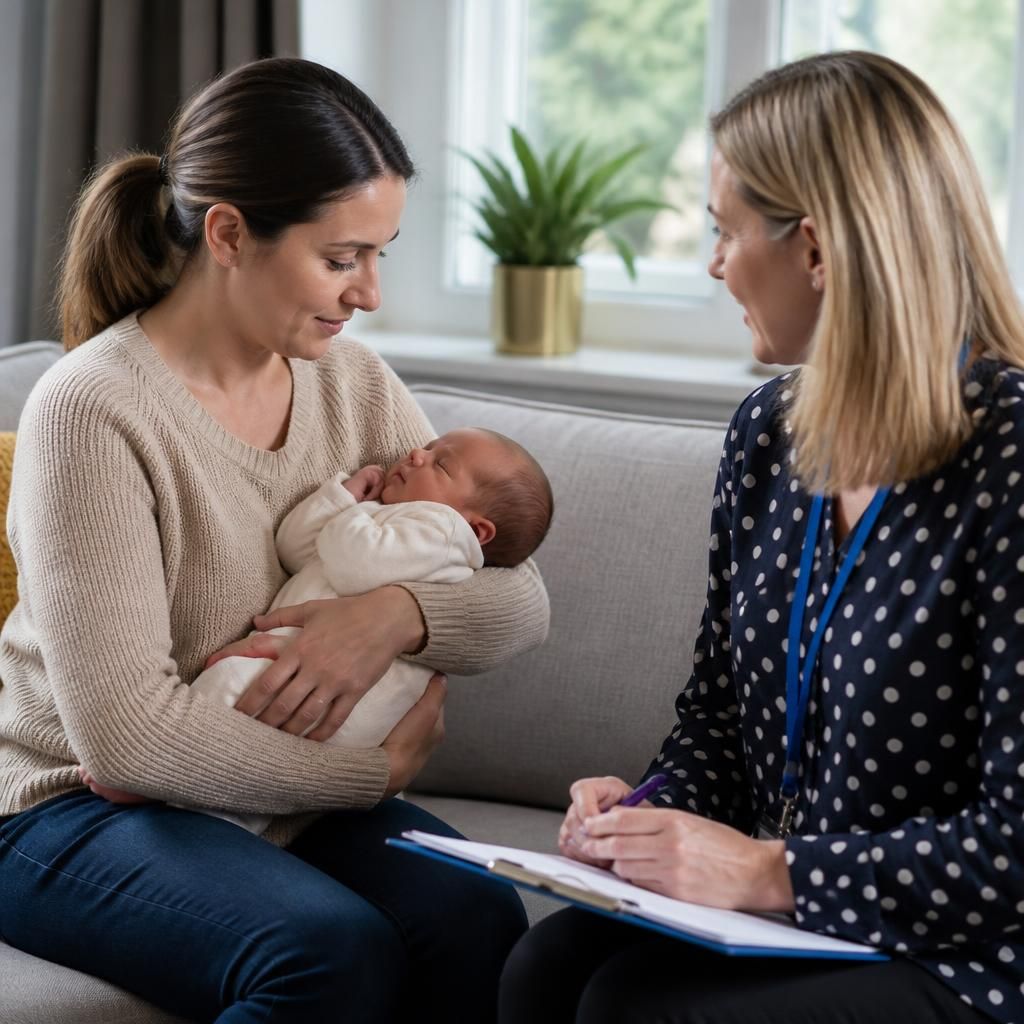
A newborn’s match should also consider their identity, background and important relationships. Children’s services may look at whether foster carers can support the baby’s cultural, religious and linguistic needs, while helping them maintain appropriate links with parents, siblings and other significant family members.
This can involve practical questions, such as whether carers understand the child’s heritage, can work respectfully with the birth family and are willing to follow agreed guidance about routines, celebrations, language or faith. These considerations form part of the wider suitability assessment and help ensure the baby’s care remains consistent with their individual history and needs.
Discuss fostering a newborn
If you are considering fostering a newborn, speak with our team to discuss your circumstances, ask questions and understand the next steps towards becoming a foster carer.