
How is contact with a newborn’s birth family managed?
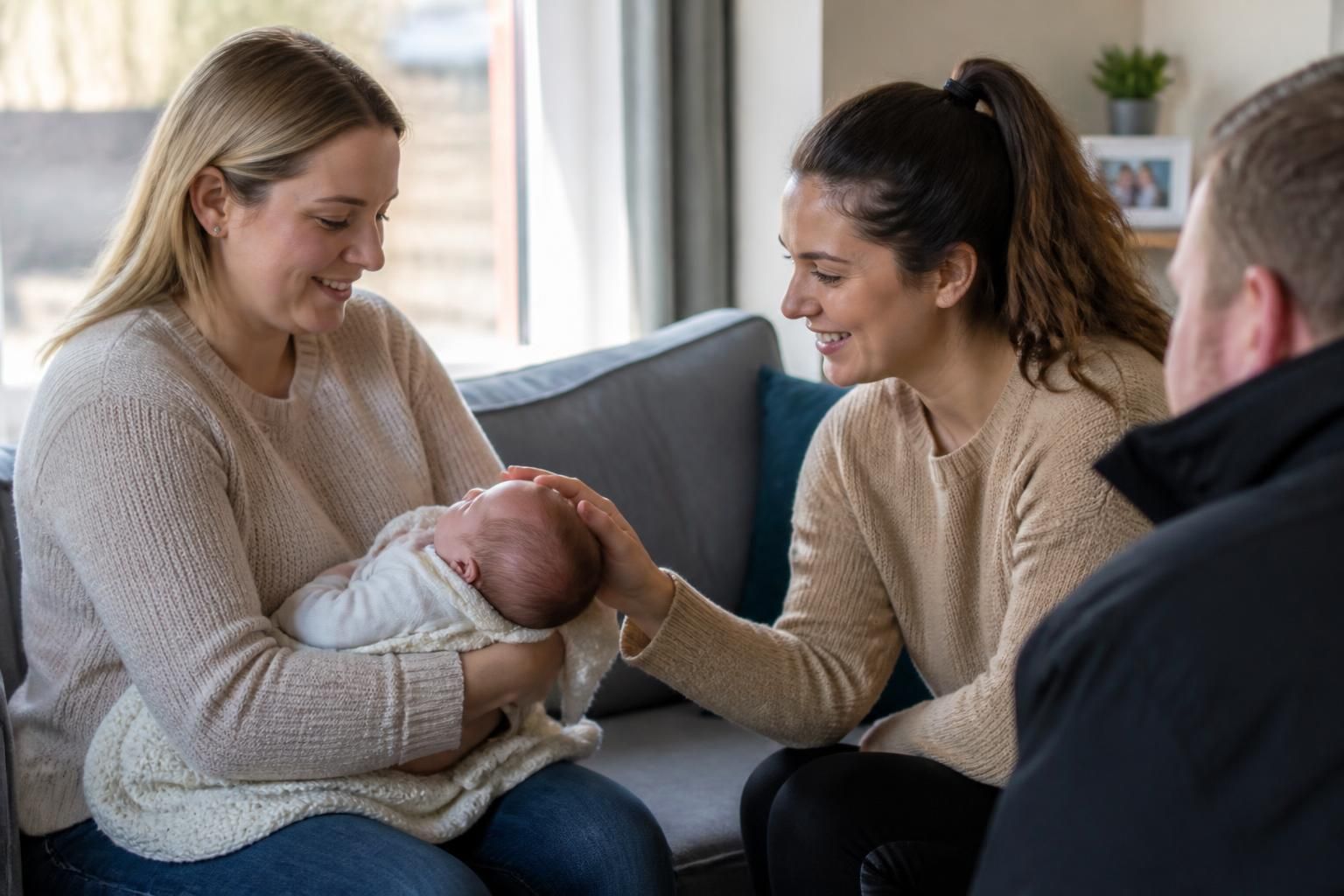
Contact with a newborn’s birth family is arranged around the child’s welfare, usually as part of the care plan and any court or local authority directions. It may be supervised or supported in an agreed safe setting, with foster carers given guidance about arrangements, communication and recording each contact session.
Partnering with an
Ofsted Outstanding Provider
Contact between a newborn and their birth family is managed through an agreed contact plan that puts the baby’s safety, health, attachment needs and daily routine first. The child’s social worker coordinates the arrangements with the birth family, foster carer and any contact service, taking account of court decisions and the local authority’s care plan.
Newborn contact often requires careful practical planning because babies cannot explain how they feel or what they need. The plan may set out:
- who the baby will see, such as parents, siblings or other relatives;
- where contact will take place and who will be present;
- how the baby will travel and who is responsible for handovers;
- how feeding, naps, medication, nappy changes and comfort routines will be managed;
- how information will be shared before and after a session; and
- what should happen if a family member is unwell, contact is missed or the baby becomes distressed.
The frequency and length of contact are not the same for every placement. They can change as the child’s circumstances, health, legal situation or permanence plan develops. For example, contact may need to be adjusted if the baby is recovering from a medical procedure, is struggling with a particular routine or needs a more gradual introduction to a family member. Any significant change should be agreed through the social worker and relevant professionals rather than arranged informally between adults.
Foster carers are usually given clear instructions about their role. They may need to prepare the baby, bring essential items, explain the baby’s recent routine and support a calm handover. They are not expected to make legal decisions about contact or act as the birth family’s caseworker. Questions about the purpose, timing or conditions of contact should be referred to the child’s social worker.
During contact, a supervising or supporting adult may help the birth parent respond to the baby’s cues, follow safe handling guidance and understand practical care needs. This is particularly important where the baby is very young, has additional medical needs or the adults have not previously cared for the child. The supervisor should also act if there is a safeguarding concern or if the arrangements are not being followed.
Communication between foster carers and birth family members is normally kept within agreed boundaries. The social worker or contact service will explain what information can be shared and which communication method should be used. Foster carers should avoid exchanging personal contact details, making private arrangements or discussing confidential information unless this has been specifically authorised. Photographs, social media posts and information about the foster home also need to be handled in line with the placement’s confidentiality and safeguarding requirements.
Newborns can be affected by changes in people, smells, sounds and routine even when they cannot describe their experience. Adults involved in contact should therefore watch for signs such as unsettled behaviour, unusual tiredness, feeding difficulties or changes in sleep. These observations can help the social worker and foster carer decide whether the arrangements remain suitable, but they do not replace professional assessment.
If a parent does not attend, arrives late or behaves in a way that causes concern, the foster carer should follow the agreed procedure and contact the supervising professional or social worker. They should not confront the birth family or alter future sessions independently. Equally, a missed session should be handled sensitively: the baby’s routine and welfare come first, while the social worker considers the impact on the wider care plan.
Contact arrangements are reviewed through placement meetings, social work discussions and, where relevant, court or care planning reviews. Foster carers can contribute factual observations about how the baby responds before and after contact, any practical difficulties and support the child appears to need. Decisions about whether contact should continue, reduce, increase or change must be made by the appropriate professionals, based on evidence and the newborn’s best interests.
Before a placement begins, prospective foster carers should ask who will organise contact, what their responsibilities will be, how travel and equipment will be managed, and whom they should contact if a session becomes unsafe or impractical. Training and ongoing support help carers maintain professional boundaries while supporting the baby’s relationships with their birth family.
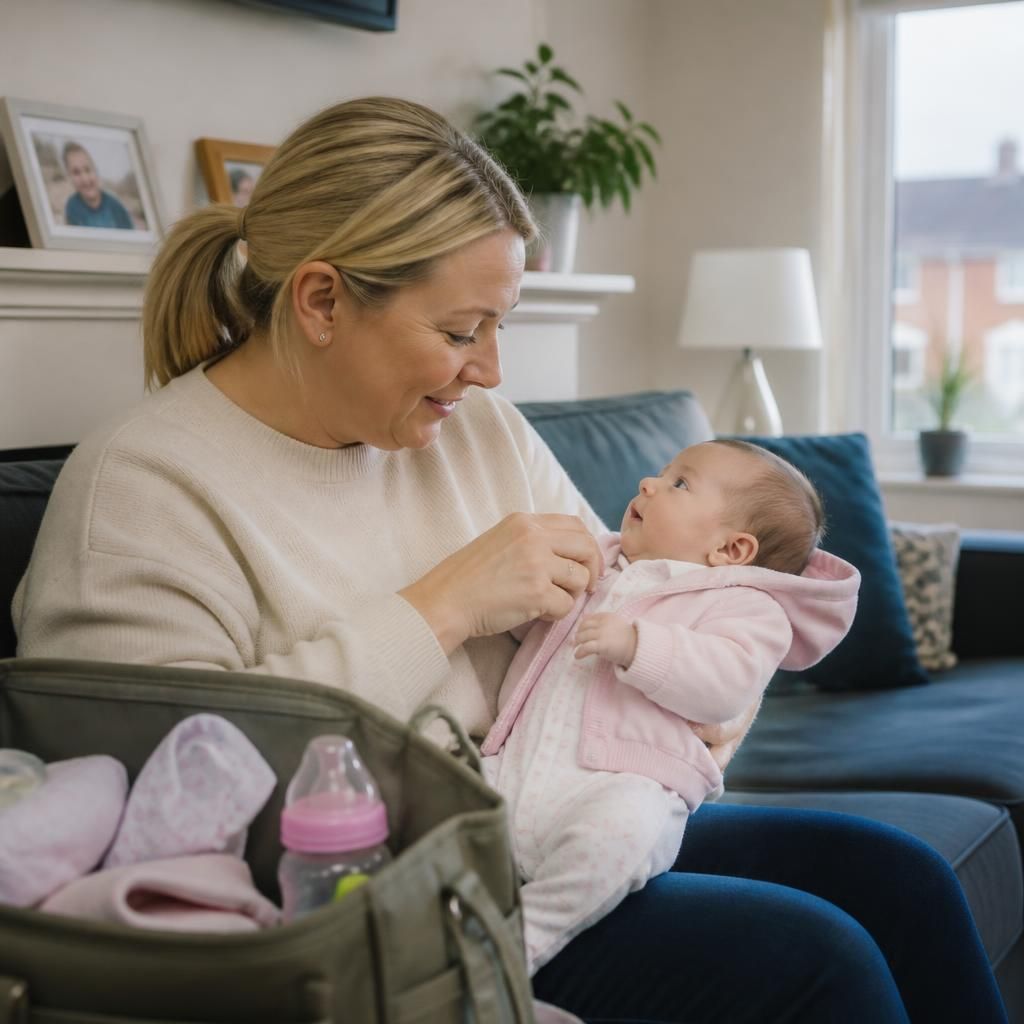
Contact is not only a scheduled visit; it can help a newborn maintain safe, familiar connections with their birth family. Foster carers should speak about family members respectfully and neutrally, use the names agreed by the social worker and avoid making promises about the child’s future. This supports the baby’s developing sense of identity without placing adult responsibilities on the child.
Where it is suitable and authorised, the contact plan may include familiar songs, cultural routines or other consistent ways for family members to comfort and engage with the baby. Any such approach should be agreed with the social worker and remain consistent with the baby’s care plan, safeguarding requirements and individual needs.
Ask about newborn contact arrangements
If you are considering fostering a newborn, speak to our team about how birth family contact is planned and what support foster carers receive. We can help you understand the practical responsibilities before you decide whether to apply.