
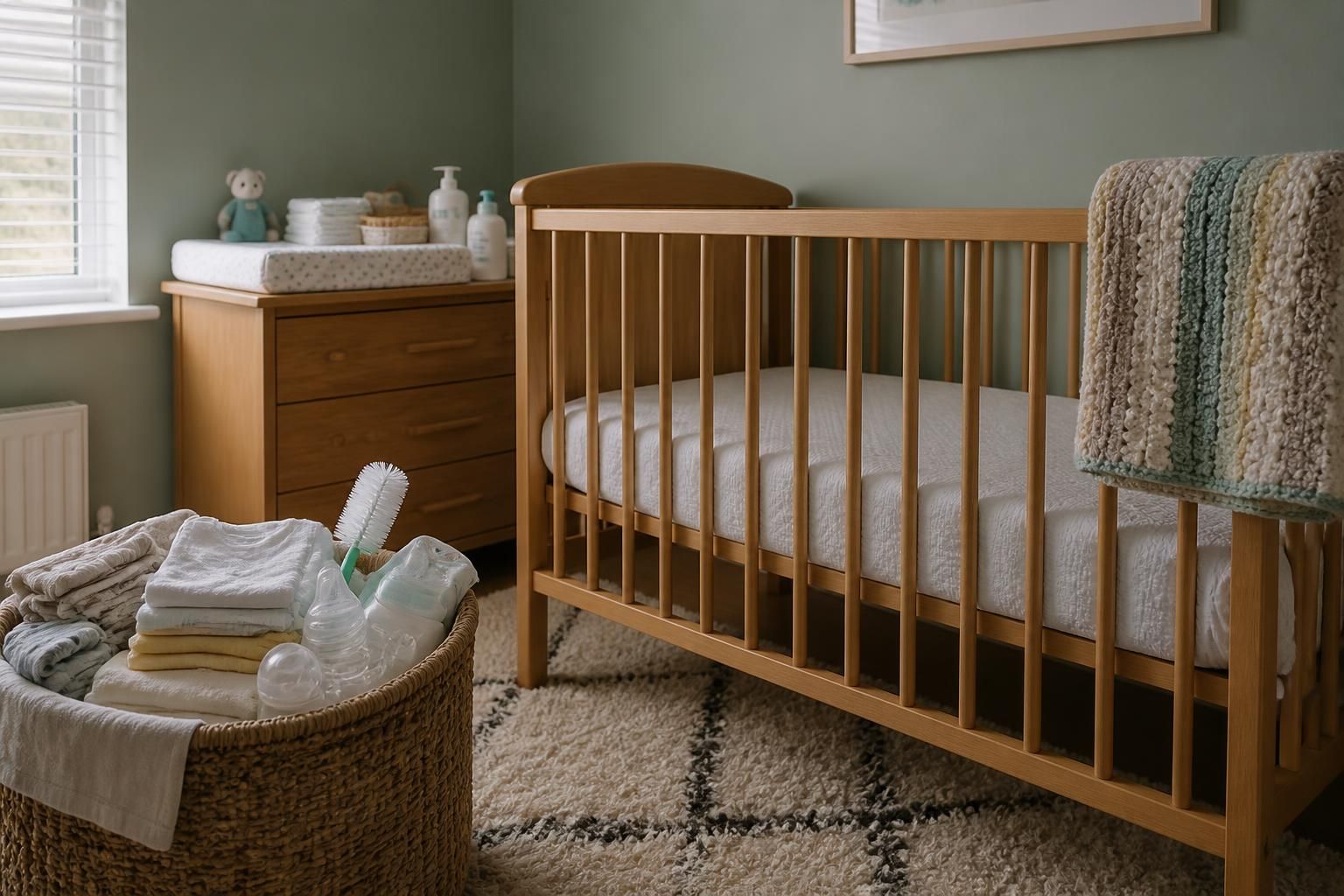
What equipment should I have ready before fostering a newborn?
Before fostering a newborn, you should have safe sleeping equipment, suitable feeding and sterilising supplies, nappies, changing essentials, basic clothing and a safe way to transport the baby. Your fostering service will advise which items are essential for the placement and help you prepare for the newborn’s specific needs.
Partnering with an
Ofsted Outstanding Provider
The most important preparation is having safe, clean and age-appropriate equipment that can be used immediately, while avoiding unnecessary purchases until the newborn’s placement plan is confirmed. The child’s age, health, feeding arrangements, sleep routine and expected length of stay will affect what you need, so discuss your proposed equipment with your fostering service and supervising social worker before the placement begins.
Check sleeping arrangements carefully. The cot or crib should be sturdy, in good condition and assembled exactly according to its instructions. Use a firm, flat mattress that fits properly, with no gaps around the edges. The sleep space should be kept clear of pillows, quilts, cot bumpers, toys and loose items. A newborn should be placed on their back to sleep, following the safe-sleep guidance provided by the fostering service and the child’s health professionals. Do not rely on sleep positioners, wedges or monitors as a substitute for safe supervision and advice.
If you are using second-hand equipment, establish its history and check that it has not been damaged, recalled or altered. Avoid items with missing instructions, loose parts, broken fastenings or worn surfaces. It is sensible to keep assembly instructions and product information available, particularly if another carer or professional needs to check how an item is used.
Prepare for the baby’s individual care plan. Some newborns in foster care may need additional equipment because they were born prematurely, have a medical condition, or are receiving treatment. This might include specialist feeding items, prescribed equipment or supplies recommended by a health professional. Do not buy or use medical equipment based on general advice alone. The child’s social worker, health visitor, neonatal team or other relevant professional should explain what is needed, who is responsible for providing it and how it must be used.
Where medication, expressed milk or formula is involved, agree a safe system for labelling, storing and recording it. Keep medicines and feeding supplies out of reach of children, and follow the instructions given by the relevant professional. Ask who should be contacted if equipment stops working or the baby’s needs change.
Make feeding equipment practical to use. If the placement involves bottles, you may need suitable bottles, teats, a method of sterilising them and a clean area for preparation. The type and flow of teat should be appropriate for the baby and agreed with the people overseeing their care. If the baby is breastfed or receives expressed milk, the arrangement may require different storage and preparation equipment. Clarify the plan rather than assuming that every newborn will use the same supplies.
Keep feeding and sterilising items separate from household cleaning products. Follow current preparation, storage and sterilising instructions, as these can vary depending on the feeding method. Your fostering service should explain what records are expected, including feeds, quantities, times and any difficulties.
Set up a clean changing area. The surface should be stable, wipe-clean and positioned so that you can keep one hand on the baby whenever they are raised from the floor. Store everything needed within reach before starting, rather than leaving the baby unattended to collect an item. A lidded waste container, washable cloths and hand-cleaning supplies can make the area easier to maintain. Keep nappies, creams and other products in their original packaging and use them in line with professional advice, especially if the baby has sensitive skin or a prescribed treatment.
Choose clothing for safety and temperature control. Clothing should fit the baby properly, allow free movement and be easy to fasten during frequent changes. Check garments for loose threads, damaged poppers, detachable decorations or cords. Newborns can become too warm easily, so ask the child’s carers or health professional how to judge suitable layers rather than relying only on room temperature or touch.
Use transport equipment correctly. If you will travel by car, obtain an appropriate rear-facing child seat and have it fitted and checked before it is needed. Follow the seat manufacturer’s instructions and the fostering service’s transport policy. Do not use a seat with an unknown accident history or one that is damaged or missing parts. A car seat is designed for travel, not as a regular sleeping place, so move the baby to a suitable sleep surface when you arrive.
Keep a small care and safety reserve. A digital thermometer, spare washable bedding, additional appropriately sized clothing and a torch can be useful, but the exact contents should reflect the placement plan. Avoid stocking large quantities of items that may be unsuitable if the baby’s size or needs are different. Keep emergency contact details, the placement plan and instructions for essential equipment together in an accessible place, while storing confidential information securely.
Before the placement starts, assemble and test equipment, wash or clean items as instructed, remove packaging, check batteries and make sure the sleeping and changing areas are ready. Your assessment and training will cover safer care, and your fostering service can tell you which equipment it expects you to provide, what it can arrange, and what should wait until the newborn’s needs are known.
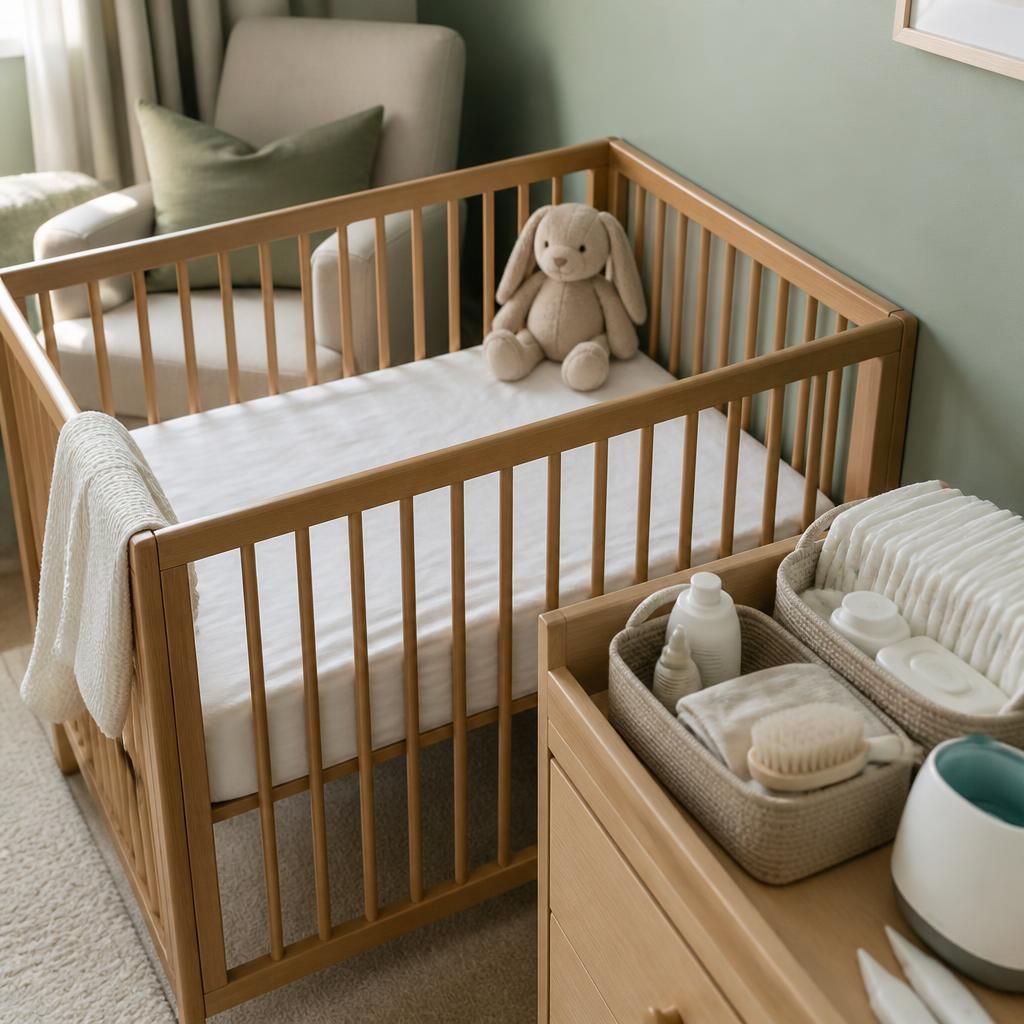
Before buying equipment for a newborn placement, confirm which items you are expected to provide and which may be supplied, loaned or approved by the fostering service. This is particularly important for specialist or higher-cost equipment, as the arrangement may depend on the baby’s placement plan and assessed needs.
- Ask who is responsible for obtaining each required item.
- Check whether purchases need prior approval and keep receipts for agreed items.
- Find out whether loaned equipment must be returned, and how it should be maintained during the placement.
- Record the equipment provided with the baby and report any missing, damaged or unsuitable items promptly.
Agreeing these practical details before the placement avoids unsuitable purchases and helps ensure that essential equipment is available without making assumptions about what a newborn will need.
Talk to us about preparing to foster a newborn
Talk to our fostering team about your circumstances and the preparation involved in caring for a newborn. We can explain the next steps and help you understand how your assessment and training will support you.