
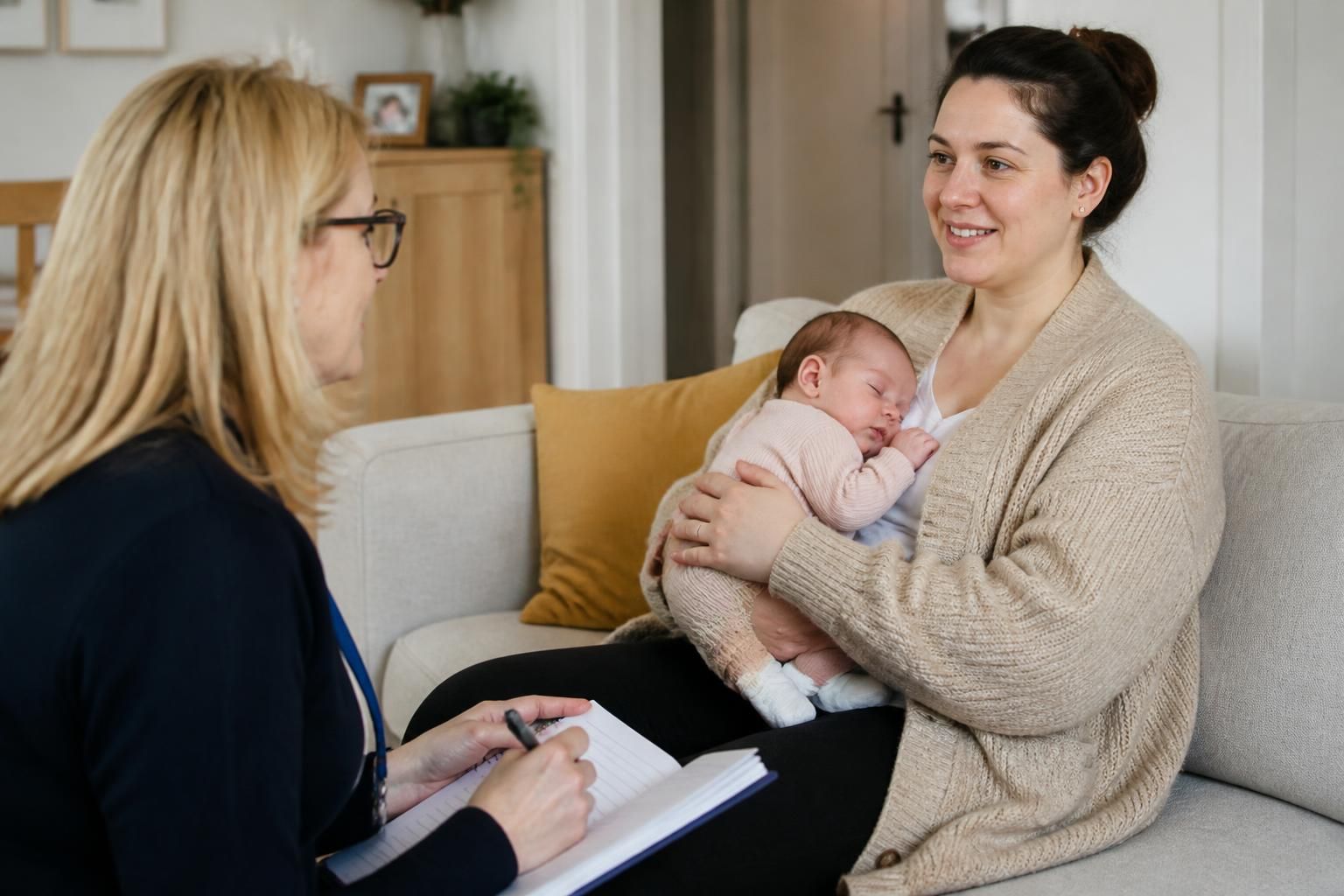
What happens during the assessment to foster a newborn?
The assessment to foster a newborn follows the standard fostering assessment process, with additional attention to your ability to provide safe, consistent care for a very young baby. It typically includes background and household checks, health information, references, home visits, discussions about your circumstances and training to understand the practical demands of newborn care.
Partnering with an
Ofsted Outstanding Provider
The assessment to foster a newborn is a structured process that considers whether you can provide safe, consistent and developmentally appropriate care for a baby, usually alongside assessing your suitability to foster more generally. The assessing social worker will look beyond practical childcare skills to your judgement, emotional resilience, understanding of safeguarding and ability to work constructively with the child’s family and the professionals involved.
The assessment starts with your reasons and expectations. You will be asked why you want to foster a newborn and what you understand about the purpose of a foster placement. Newborn fostering can involve caring for a baby while decisions are being made about their future, rather than raising a child as your own. The assessment therefore explores how you would manage uncertainty, follow agreed plans and support the child’s relationships without assuming what the long-term outcome will be.
Conversations may cover your experience of babies, including experience gained as a parent, through family life, employment or voluntary work. Direct experience is useful but is not the only evidence considered. More important is your ability to learn, seek advice and respond safely to a baby’s changing needs. You may be asked how you would cope with crying, disrupted routines, feeding difficulties, unsettled behaviour or concerns about a baby’s development.
Newborn-specific care is explored in practical detail. Your assessing social worker may discuss how you would:
- follow safe-sleep guidance and reduce risks in the sleeping environment;
- prepare and handle feeds in line with professional advice and the baby’s care plan;
- recognise when a baby may be unwell or needs urgent medical attention;
- comfort a baby while maintaining predictable, responsive care;
- manage appointments, medication instructions and health-visiting advice;
- keep accurate notes about feeds, sleep, nappies, behaviour, health and significant events; and
- respond appropriately if the baby’s presentation or routine changes.
The aim is not to test whether you already know everything about newborn care. It is to establish that you can follow instructions, notice changes, ask for help and put the baby’s welfare first. Any gaps in knowledge can usually be addressed through preparation, training and guidance from the fostering team and other professionals.
Your ability to work within a professional network is an important part of the assessment. A newborn’s care may involve social workers, health visitors, midwives, paediatric or neonatal services, legal professionals and the child’s birth family. You will need to share relevant information appropriately, attend planned meetings and contribute observations without making assumptions or offering diagnoses. The assessment may consider how you handle professional advice, confidential information and differences of opinion.
Contact arrangements are also considered. Depending on the care plan, you may need to take the baby to contact or support contact taking place in another agreed setting. The assessment explores whether you can remain calm and respectful, keep the focus on the baby and record factual observations. You are not expected to make decisions about the child’s future or investigate the circumstances that led to the placement; those responsibilities remain with the relevant professionals.
The assessment considers the effect of newborn fostering on your whole household. If you have a partner, children or other household members, the assessing social worker will consider their understanding of fostering and the likely impact of caring for a baby whose needs and arrangements may change. Discussions can include privacy, sleeping arrangements, pets, visitors, transport and how everyday responsibilities would be organised. Children in the household may be included in an age-appropriate way, so their views and feelings are understood.
Your support network may also be discussed. This could include relatives, friends or other trusted people who can provide practical or emotional support within the boundaries set by the fostering service. The assessment will distinguish between ordinary informal support and people who may need their own checks or approval if they are to provide care.
There is usually an opportunity to reflect on the evidence before a recommendation is made. You should be able to ask questions, explain relevant circumstances and correct factual errors in the assessment report. The report brings together information from the assessment, your preparation and the required checks and references. It records strengths as well as areas where you may need further development or support.
When the assessment is complete, the fostering service normally presents its recommendation to an independent fostering panel. The panel considers whether you meet the required standards and what approval would be appropriate, such as the ages and types of placements you may be considered for. A panel recommendation is then considered by the fostering service’s decision-maker, who makes the formal approval decision. Approval to foster does not guarantee that you will be offered a newborn placement; matching depends on a particular baby’s needs, your approval terms and the information available at the time.
You can prepare by being open and specific. Think about your experience of caring for babies, your routines, your support network and any circumstances that could affect your capacity to foster. Read the information provided by the fostering service, note questions about newborn care and be honest about areas where you need more guidance. Openness is essential: the assessment is intended to build a realistic plan for safe care, not to present an idealised version of your household.
By the end of the process, you should have a clearer understanding of what caring for a newborn in foster care involves, the boundaries of your role and the support and training available to help you carry it out safely.
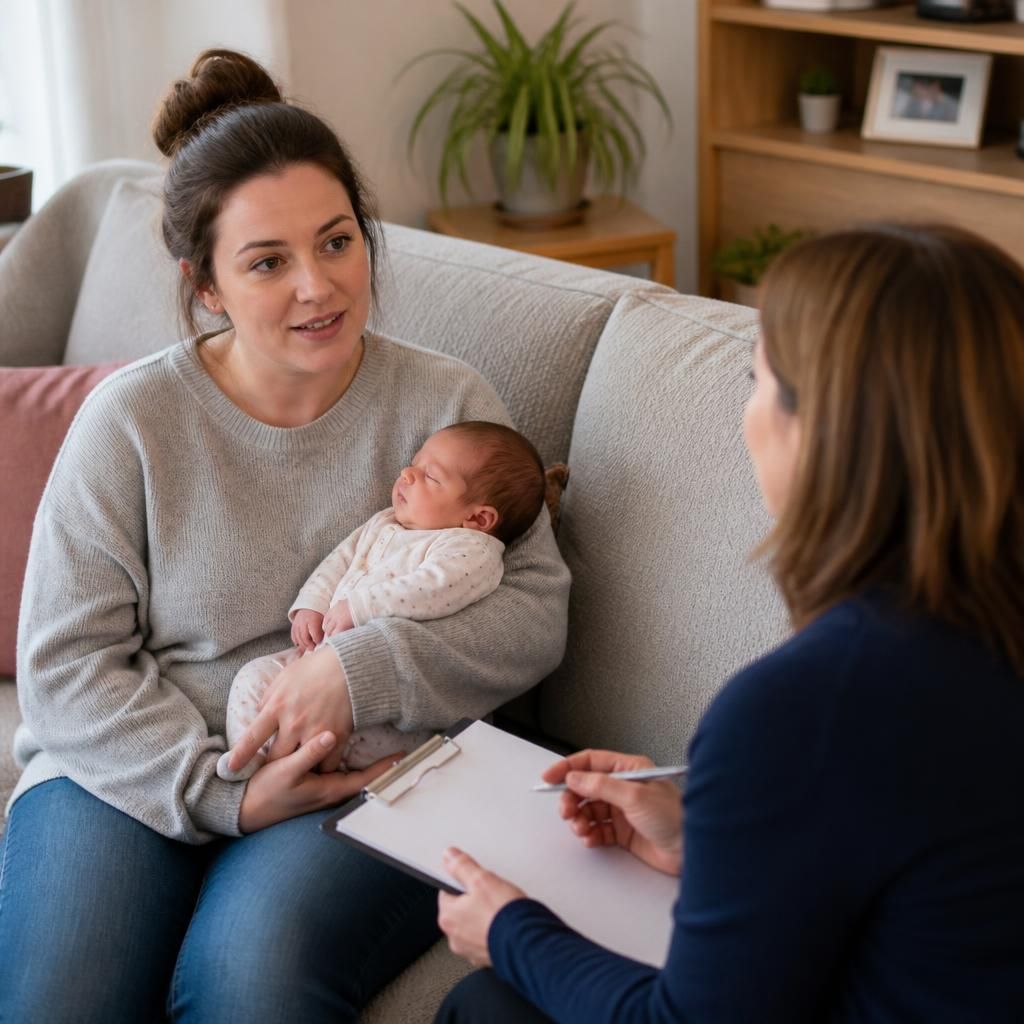
A health assessment is a routine part of the assessment to foster a newborn. It helps the fostering service understand whether your health, medication or any ongoing condition could affect your ability to provide consistent care, attend appointments and respond to a baby’s needs.
You will normally be asked to give consent for relevant medical information to be obtained, and may need an assessment with your GP or another healthcare professional. Be open about your physical health, mental health, prescribed medication and any support you use. This information is considered alongside the wider assessment rather than in isolation. Having a health condition or disability does not automatically prevent you from fostering; the important question is how it may affect your capacity to care safely and what reasonable adjustments or practical arrangements may be appropriate.
The assessment may also consider how you would manage periods of tiredness, appointments or changes in your health while caring for a newborn. Discussing these matters early allows the fostering team to identify suitable support and make sure any approval recommendation reflects your circumstances accurately.
Find out more about fostering a newborn
If you are considering fostering a newborn, contact our fostering team to discuss your circumstances and the next steps in your application.