

What happens when a newborn foster placement comes to an end?
When a newborn foster placement ends, the child may return to their birth family, move to an adoptive family or transfer to another approved carer, depending on the care plan and decisions made by the local authority and court. Your fostering service will support you through the transition, explain the next steps and help you manage the practical and emotional impact of the placement ending.
Partnering with an
Ofsted Outstanding Provider
A newborn foster placement ends through a planned transition agreed by the local authority, the child’s social worker and the fostering service. The practical arrangements depend on the child’s care plan, the court’s decisions where relevant, and the safety and readiness of the next care arrangement. Foster carers should be involved in planning the move and given clear information about what is expected before, during and after it.
Before the move, the professionals involved should confirm:
- the proposed date and location of the transition;
- who will take responsibility for the baby and any required handover;
- how contact with birth relatives will be managed;
- which belongings, documents, medication and equipment should travel with the baby;
- what information the receiving family or carers need about the baby’s routine, health and development; and
- who to contact if difficulties arise during or after the move.
Plans can change if the child’s circumstances change. A move may be delayed, brought forward or reconsidered if professionals identify a safeguarding concern, a health issue or a problem with the proposed arrangement. Your supervising social worker should explain any changes and help you understand the decisions being made.
For a newborn, a detailed handover is particularly important because small changes in feeding, sleep, nappies, behaviour or health can be significant. Keep an accurate record of:
- feeding times, amounts and any difficulties;
- sleep patterns and settling methods;
- medical appointments, medication and advice from health professionals;
- immunisations, weight or developmental information provided to you;
- comforting techniques and signs that the baby may be unwell or distressed; and
- important dates, routines and observations that may help the next carer provide consistent care.
Give the records to the appropriate social worker or receiving carer in line with your fostering service’s procedures. Do not keep or share photographs, medical information or details about the birth family outside the agreed professional arrangements. Your service can tell you what information should be included in the child’s record and how confidential material must be stored.
The transition may involve short introductions, meetings or visits, depending on the child’s age, needs and the reason for the move. A very young baby may not follow a lengthy introduction plan, but the adults can still support continuity by sharing familiar routines, comforters and care information. Follow the agreed plan rather than making separate arrangements with family members or the next carer.
If the baby returns to their birth family, professionals may arrange a final handover and confirm any future contact. Foster carers should not assume that contact will continue or make private agreements. Whether any updates or meetings are appropriate is decided by the local authority and the people responsible for the child’s care and welfare.
If the baby moves to an adoptive family or another foster carer, the information you provide can help the new carers understand the child’s early experiences. This may include a chronology of significant events, preferences, health information and a suitable account of the care you provided. The fostering service can advise what can be shared and how your contribution should be recorded.
Once the placement has ended, your supervising social worker should arrange a review or debrief. This is an opportunity to discuss the transition, identify any concerns, complete outstanding records and consider whether you need further training or support. Where the placement has been particularly challenging, ask what additional support is available and how any concerns will be followed up.
Your fostering payments and any agreed expenses should be checked with your fostering service when the placement ends. Arrangements vary according to the service, the date the placement finishes and whether approved expenses remain outstanding, so ask for a clear explanation rather than assuming that payments continue automatically.
You may need time before accepting another placement. Your supervising social worker can discuss your household’s circumstances, any planned leave, the effect of the move on children in your family and whether your approval or training needs to be reviewed. There is no requirement to treat the end of one placement as an automatic decision about your next placement.
Keep copies of the records you are entitled to retain, return confidential documents as instructed and notify the fostering service promptly if you receive information about the child after the placement has ended. If you are unsure about a proposed move, a contact arrangement or the handling of records, raise the question with your supervising social worker and the child’s social worker before the transition takes place.
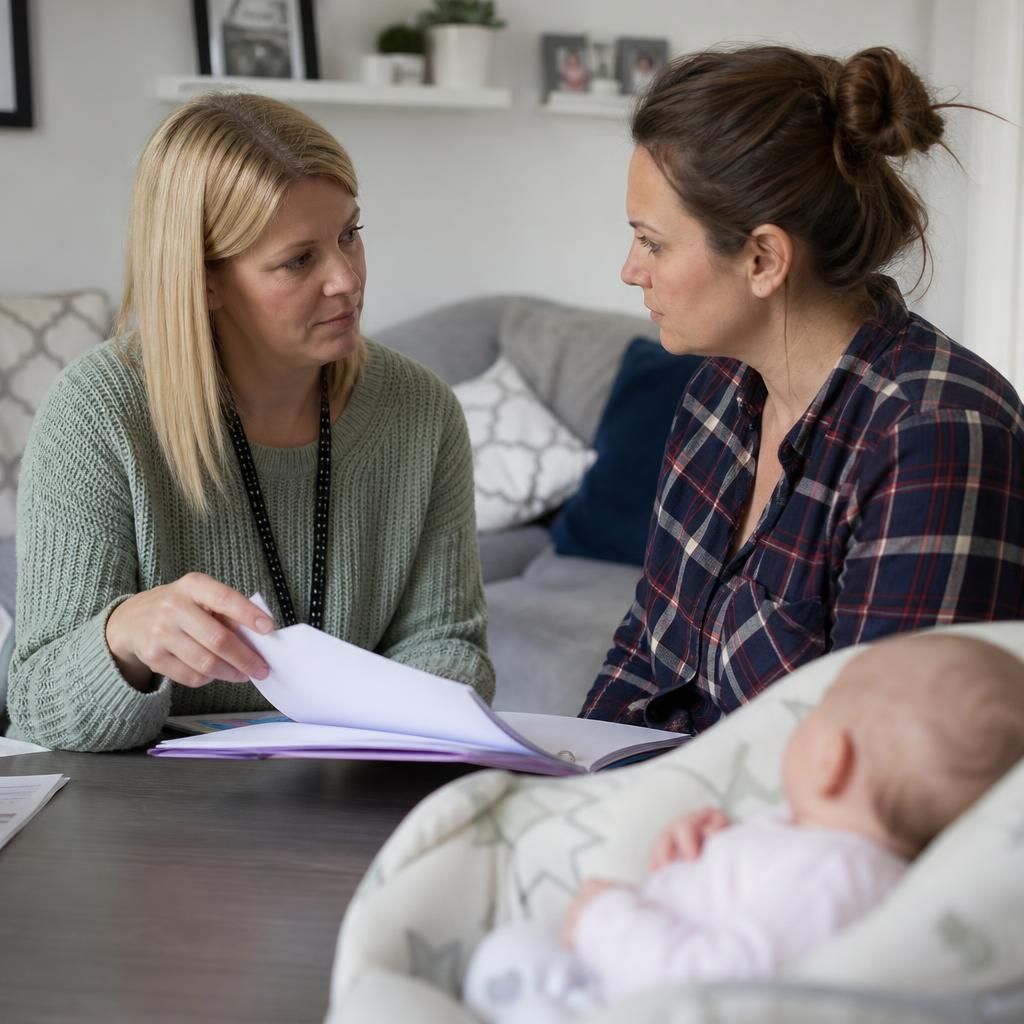
When a newborn placement ends, the change also affects children and other household members. Before the move, agree how you will explain it in an age-appropriate way, while protecting the baby’s privacy and not sharing information about their birth family. Children may have questions about why the baby is leaving, whether they will see them again and what will happen next.
Keep familiar routines where possible and give household members an opportunity to talk about the change. Avoid promising future contact or updates unless this has been formally agreed. If anyone in your household is finding the transition difficult, discuss this with your supervising social worker so that the right support and guidance can be considered.
Discuss your next steps after a newborn placement
Speak to our fostering team about your next steps after a newborn placement, whether you are considering another placement or need to understand the support available to you and your household. We can help you explore the options and decide what is right for your circumstances.