
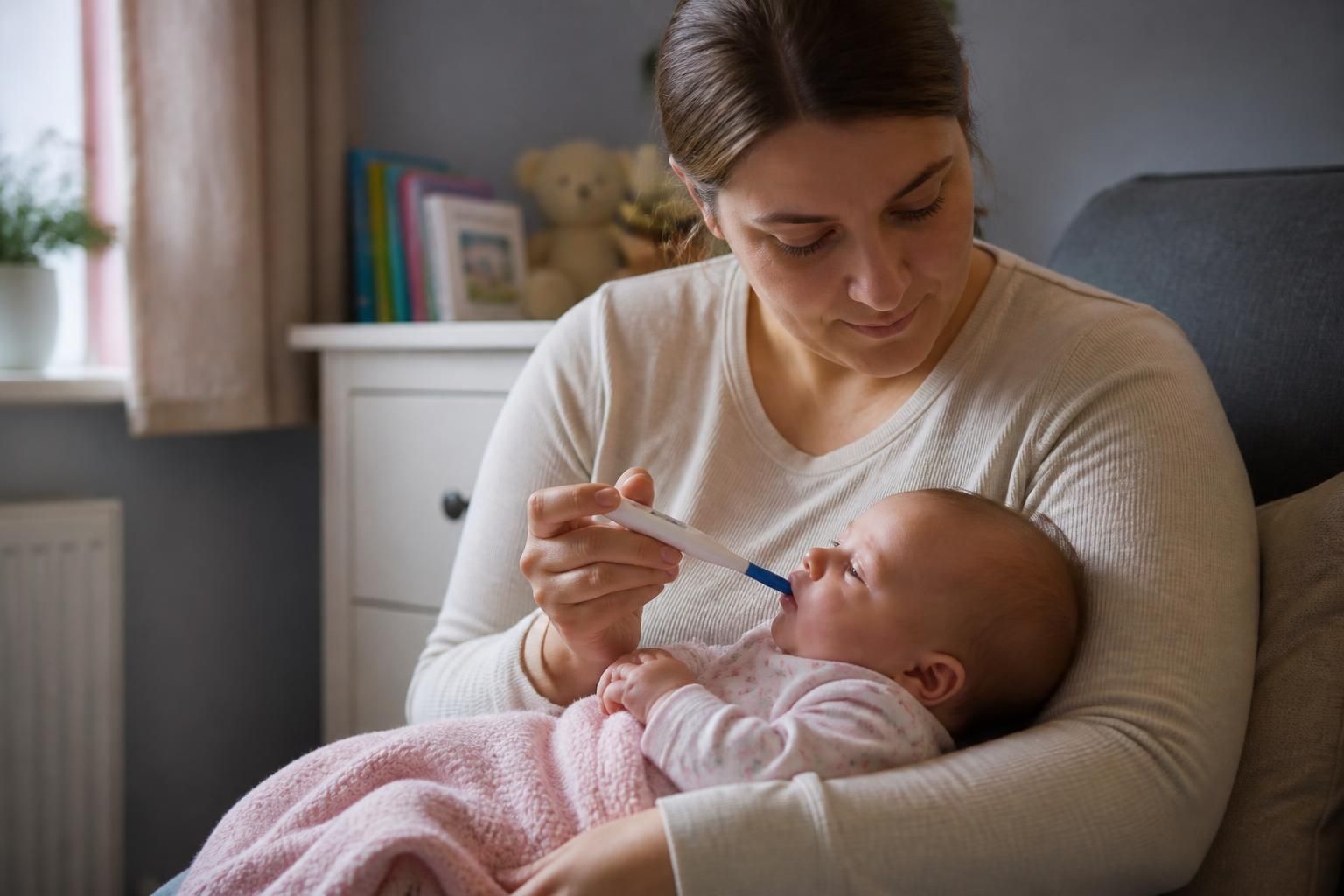
What medical needs might a newborn foster carer be expected to manage?
A newborn foster carer may need to manage feeding and weight monitoring, prescribed medication, health appointments and follow-up care, depending on the baby’s individual medical plan. You would receive guidance from the relevant professionals and should report concerns promptly rather than making medical decisions or diagnoses yourself.
Partnering with an
Ofsted Outstanding Provider
A newborn foster carer may be expected to provide safe day-to-day care for a baby with additional health needs, follow an agreed care plan, notice changes in the baby’s condition and share relevant information with the professionals involved. The level of medical care varies: some babies need only routine health supervision, while others may have been born prematurely, experienced complications during birth, or need monitoring after hospital discharge.
Possible needs include:
- Monitoring general wellbeing: observing breathing, colour, temperature, alertness, comfort, hydration and patterns of sleep and elimination. A carer should become familiar with what is normal for that baby and raise concerns if there is a significant change.
- Following discharge instructions: some newborns leave hospital with specific guidance about positioning, feeding routines, infection prevention, wound or cord care, or signs that require urgent professional advice. Instructions should be followed precisely and clarified if anything is unclear.
- Supporting babies born early or with additional needs: a premature baby, or one with a disability or developmental concern, may need closer observation and input from specialist services. The foster carer may need to adapt routines and learn agreed techniques from neonatal, community or paediatric professionals.
- Managing the effects of prenatal exposure: some babies may show difficulties with settling, sleep, movement, sensitivity or regulation after exposure to substances during pregnancy. Care may involve a calm, consistent routine and careful observation, as set out by the child’s health team.
- Responding to minor health concerns: carers may need to seek advice about symptoms such as a rash, unusual feeding behaviour, changes in bowel movements or signs of illness. They should use the agreed professional route rather than relying on internet advice or attempting to diagnose the cause.
Foster carers are not expected to act as nurses or make clinical judgements beyond their training. Their role is to carry out agreed care safely, observe and communicate. Some tasks may require specific instruction, competency assessment or delegated authority before a carer can undertake them. This might apply to specialist equipment, particular physical-care techniques or treatment that goes beyond ordinary newborn care.
Before a placement, ask who is responsible for each part of the baby’s healthcare and what consent is needed. The plan should make clear which decisions a foster carer can make, who must authorise treatment, how urgent concerns should be escalated and what information should be shared with the local authority, health professionals and the child’s family. These arrangements can be particularly important when the baby has regular hospital care or several agencies involved.
Practical preparation usually includes learning how to:
- recognise the baby’s usual patterns and early signs that they are unwell;
- use any equipment or care techniques included in the plan;
- keep healthcare information together and communicate it accurately;
- prepare for visits to health professionals, including taking relevant questions and observations; and
- seek urgent medical help when instructed, rather than waiting for a routine discussion.
Training and supervision should help you understand the baby’s particular needs, but it is important to say if you do not feel confident carrying out a task. Ask for further instruction before proceeding. Your supervising social worker and the child’s health professionals can explain the agreed arrangements and help you understand what is expected of you.
Newborn foster care therefore involves attentive observation, careful routine and close communication, rather than independent medical treatment. The specific expectations should be set out for each placement so that you know what to do, what to record and who to contact when the baby’s health changes.

Medication is one of the more specific medical tasks a newborn foster carer may be asked to manage, but only when it has been prescribed and clearly included in the baby’s care arrangements. This could involve giving an oral medicine, applying a prescribed treatment or following a set schedule.
Before administering anything, make sure you understand the correct dose, timing, method of administration and storage instructions. Record what was given and when, and report a missed dose, difficulty administering it, vomiting afterwards or any unexpected reaction through the agreed professional route. Do not change the dose, stop treatment or give an over-the-counter product unless the appropriate health professional has confirmed that you may do so.
Some medicines or treatments may require additional training, written instructions or confirmation that the task has been delegated safely. If you are uncertain, pause and seek advice rather than guessing. Clear medication records help health professionals understand the baby’s treatment and reduce the risk of duplicated or missed doses.
Discuss the medical needs of a newborn placement
If you are considering fostering a newborn, speak to our fostering team about the health responsibilities involved and how training and supervision support you through the assessment process.