
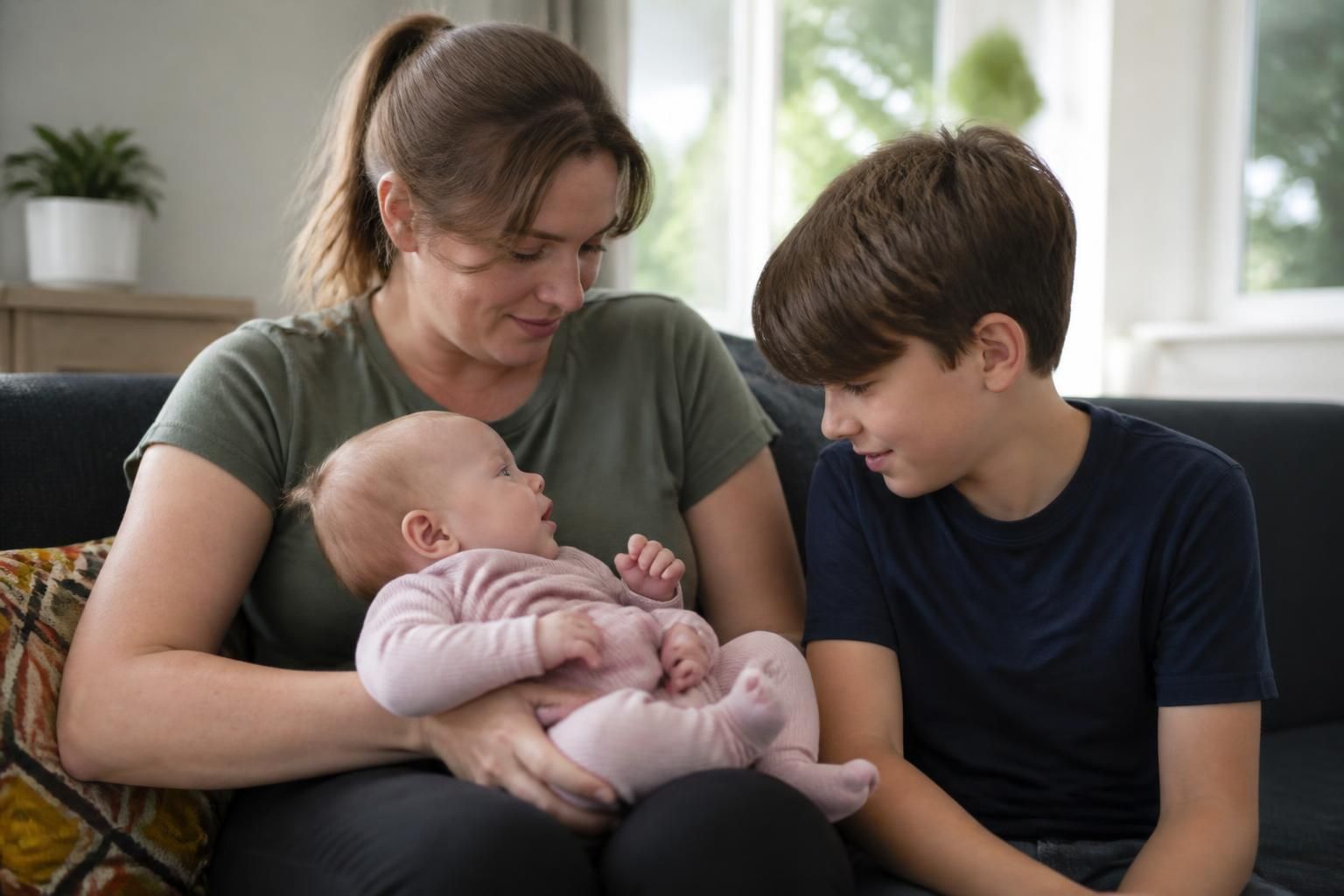
Can I foster an infant if I have children of my own?
Yes, having children of your own does not automatically prevent you from fostering an infant. During the assessment, the fostering service will consider your children’s ages and needs, your household’s capacity, available space and how fostering may affect family life, alongside your overall suitability to provide safe, consistent care.
Partnering with an
Ofsted Outstanding Provider
The key consideration is whether your whole household can accommodate the practical and emotional demands of caring for an infant who may have experienced disruption, uncertainty or trauma. Having children of your own can give you useful parenting experience, but it does not remove the need for a full assessment of your family’s circumstances, relationships and ability to provide safe, consistent care.
Your children will be included in the assessment. Their views, feelings and understanding of fostering are important, particularly if they are old enough to recognise how a new child could affect family routines. The assessing social worker may speak with them in an age-appropriate way and explore questions such as:
- How they feel about an infant joining the household
- Whether they understand that the placement may be temporary
- How they would feel about adults giving the baby additional attention
- Whether they have concerns about privacy, routines or personal belongings
- What support they would need during the assessment and any future placement
Your children do not need to be enthusiastic about every aspect of fostering, but their feelings should be listened to and addressed honestly. They should never be expected to take responsibility for the infant, provide regular childcare or manage situations that require an adult’s judgement. The foster carer remains responsible for the baby’s care, supervision and appointments.
Infant fostering can change the rhythm of family life. Babies may need frequent feeds, settling, nappy changes, medical appointments and supervision, and their sleep patterns may be unpredictable. This can affect school runs, work, activities and time available for your own children. As part of the assessment, you should consider how responsibilities would be shared between adults and what practical arrangements would protect time with your children.
It is also important to discuss how you would respond if your children experienced difficult feelings. They might feel jealous, worried, protective or confused about why the baby is in foster care. They may also find it hard when the infant attends contact with birth family or when the placement ends. Foster carers need to respect the child’s confidentiality, so information about the baby’s background must only be shared with your children to the extent that it is appropriate and agreed by the fostering service.
The assessment will look at the whole household, not just your experience as a parent. This normally includes checks, personal references, health information, discussions about your relationships and home life, and an exploration of your understanding of safeguarding. You will also need to complete preparation training and show that you can work with social workers, health professionals, birth family members and other professionals involved in the infant’s care.
Being a parent may help you understand feeding, routines, development and the practical work involved in caring for a baby. However, a foster infant may have additional needs, including difficulty settling, developmental concerns, medical needs or distress linked to separation. Training and guidance will help you recognise these needs, respond safely and record important information for the professionals responsible for the child’s plan.
Matching is another important part of the process. A fostering service should consider whether a particular infant’s needs are suitable for your household at that time. This includes the effect on your own children, the level of support required and whether the placement can be managed alongside your existing commitments. You do not have to accept every proposed placement; you should be given relevant information so that you can make an informed decision.
Before applying, talk openly as a family about daily routines, privacy, visitors, confidentiality and what may happen when a baby leaves. It can be helpful to identify who could provide practical support, how your children would have individual time with you and how you would manage appointments or contact arrangements without placing extra responsibility on them.
Foster carers receive ongoing supervision, advice and training, as well as financial support intended to help meet the costs of caring for a child. Allowances and other arrangements vary, so ask the fostering service for current details and how they may apply to infant placements.
If your household can work together, protect your children’s wellbeing and meet an infant’s needs safely, having children of your own may be compatible with fostering. The assessment process is designed to explore that balance carefully rather than treating parenthood as either an automatic advantage or an automatic barrier.

Having children of your own does not mean your family must commit to every infant placement. Your circumstances may change after approval, so it is important to review whether fostering remains suitable if there is a move, a new baby, illness, changes at school or increased caring responsibilities.
Tell your fostering service about significant changes in your household so it can consider whether your approval or future matching arrangements need reviewing. This helps ensure that any infant placed with you can be cared for safely without placing unreasonable pressure on your family.
Find out whether fostering an infant is right for your family
Contact Become a Foster Family to discuss your family’s circumstances and learn more about the next steps towards fostering an infant.