

Can I foster an infant if I live alone?
Yes, you can foster an infant if you live alone; being a single applicant does not automatically prevent you from fostering. Your assessment will consider whether you can meet an infant’s needs, manage the practical demands of caring for them and draw on suitable support when needed.
Partnering with an
Ofsted Outstanding Provider
Living alone does not rule out approval to foster an infant. The central consideration is whether your proposed fostering arrangement can provide consistent, safe and responsive care, with practical support available when caring responsibilities become demanding.
Fostering as a single applicant can work well, but the assessment will look carefully at how you would manage the day-to-day reality of caring for a baby. Infants may need frequent feeds, nappy changes, soothing, supervision and medical appointments. Their routines can change quickly, particularly if they have experienced neglect, separation or health concerns.
Your assessing social worker is likely to explore:
- your motivation for fostering and your understanding of an infant’s developmental and emotional needs;
- your health, lifestyle and ability to provide reliable care;
- your home environment, including whether there is suitable sleeping space and equipment;
- your employment, other commitments and plans for managing appointments and periods when you need to be available;
- your relationships, personal history and experience of caring for children;
- your finances and whether you can manage the household without depending on a placement allowance as your only source of income;
- your ability to work with social workers, health professionals, birth family members and other people involved in the child’s care; and
- the support network you could draw on during difficult or tiring periods.
Living alone means you would carry the main day-to-day responsibility yourself, so it is important to identify dependable people who can offer practical or emotional support. This might include family members, friends or other trusted adults. They would not replace your responsibilities as the foster carer, and anyone who has a regular role in caring for the infant may need to be discussed with the fostering service and assessed appropriately.
You will also need a clear plan for situations such as illness, an urgent appointment, a family emergency or a period when you are unable to provide care. The fostering service will explain what backup arrangements are acceptable and which responsibilities must remain with an approved foster carer. Informal childcare cannot automatically be used for fostering tasks, particularly where supervision, medication, transport or contact arrangements are involved.
If you work, the assessment will consider whether your working pattern is compatible with the infant’s needs. You may need to arrange leave, flexible working or approved childcare. This is considered on an individual basis, rather than decided solely by whether you are employed or self-employed.
Before approval, you will normally complete an application and assessment involving background checks, references, health information, home visits and training. The process is designed to establish whether fostering is suitable for you and what type of placement could be safely supported in your circumstances. Being single is one part of your personal circumstances, not an automatic reason for refusal.
It is also sensible to ask about the support available after approval. This may include a supervising social worker, training, placement planning, advice during the placement and access to other fostering professionals. Ask how support is arranged, what help is available in an urgent situation and how the service would support you with infant equipment, health appointments, contact and changing care needs.
Foster carers receive a fostering allowance, although the amount and how it is structured vary between services and according to the placement. Ask for current details before making financial decisions. You should also consider the cost of preparing your home and caring for an infant, including suitable sleeping arrangements, clothing, transport and everyday supplies.
During an initial conversation, explain honestly that you live alone and describe the people, routines and arrangements that would support you. A thorough discussion will help the fostering service decide whether infant fostering is appropriate for you and identify any preparation needed before you apply.
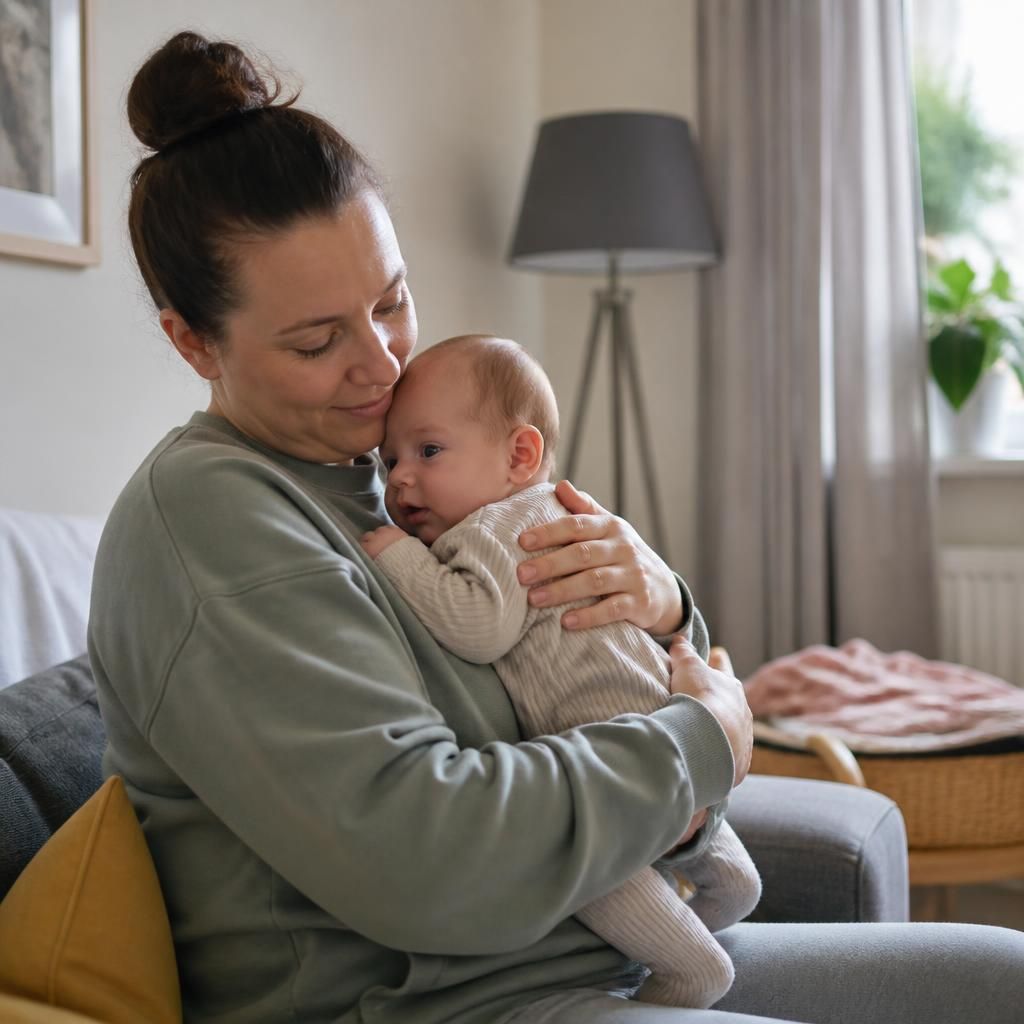
Living alone does not mean you will be expected to accept every infant placement. Approval is based on the type of care you can safely provide, and each placement is considered individually. The fostering service will look at whether an infant’s needs, routines and circumstances are compatible with your skills, home and wider commitments before a placement is agreed.
When discussing your application, ask how infant placements are matched and what preparation is expected before an infant arrives. You may need to show that you understand early development, attachment, safe care and the impact that frequent changes in routine can have on a baby. This helps ensure that the proposed placement is suitable for both you and the infant, rather than treating your household structure as the deciding factor.
Discuss fostering an infant as a single applicant
Discuss your circumstances with our fostering team to understand whether fostering an infant as a single applicant could be suitable for you. They can explain the assessment process, preparation required and the support available before you decide whether to apply.