
What does infant foster care involve?
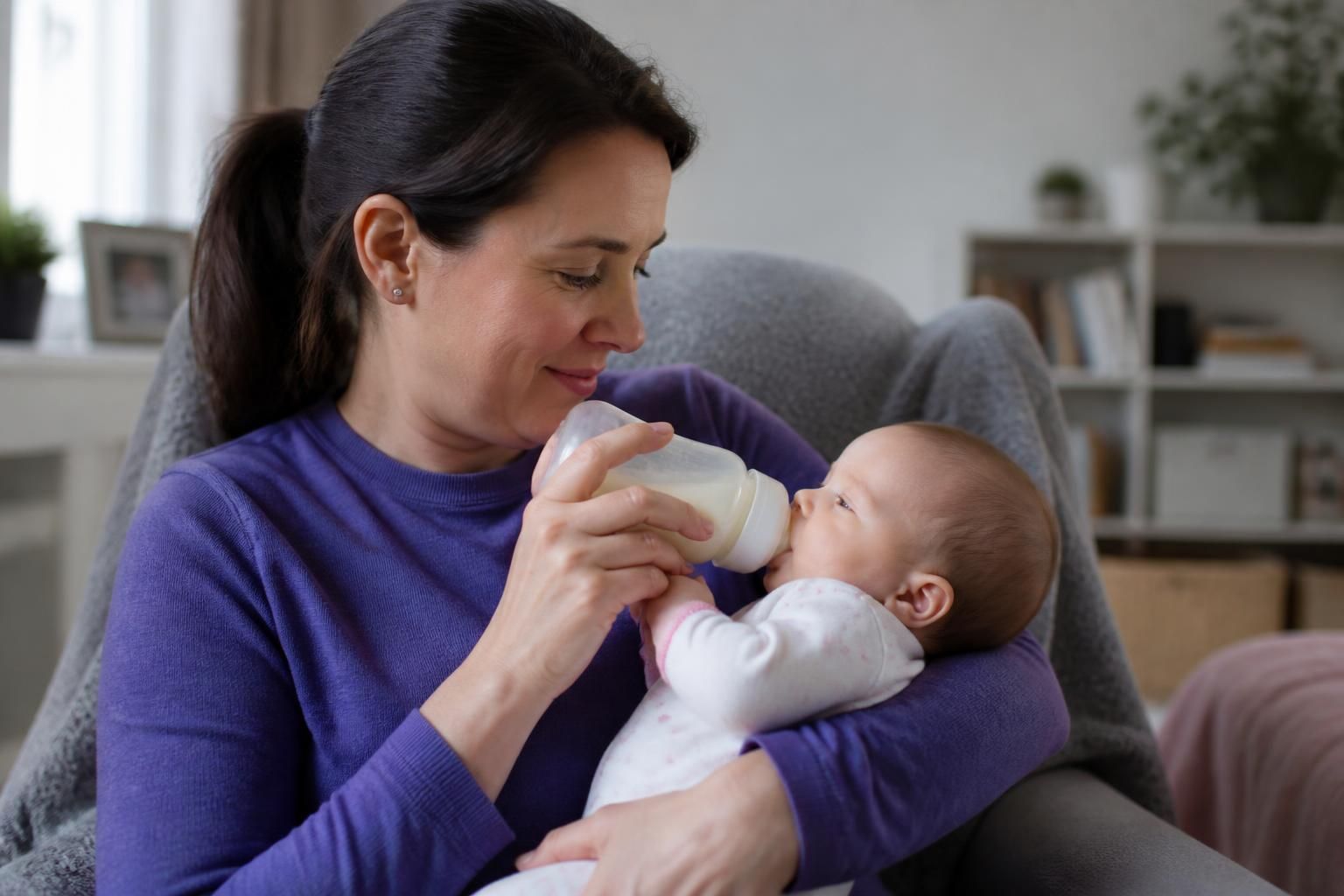
Infant foster care involves providing safe, consistent day-to-day care for a baby, including feeding, changing, sleep routines, soothing, health appointments and recording development. Foster carers follow the infant’s care plan, work with social workers and other professionals, and receive training and ongoing guidance throughout the placement.
Partnering with an
Ofsted Outstanding Provider
Infant foster care means providing a stable, nurturing home for a baby or very young child who cannot safely live with their birth family at that point in their life. The role combines practical caregiving with helping the infant feel secure, supporting early development and contributing to plans about their future.
Creating security and attachment
Infants depend on familiar adults to help them regulate their emotions and understand the world around them. Foster carers provide patient, responsive care by noticing an infant’s cues, responding consistently and offering comfort when they are unsettled. Simple experiences such as talking, singing, cuddling, playing and following a familiar pattern can help an infant develop trust.
Some infants entering foster care may have experienced neglect, disruption or stressful events. This can affect how they sleep, feed, settle or respond to adults. Carers need to remain calm and observant, understanding that behaviour is communication rather than deliberate misbehaviour. The child’s needs may change as they become more settled, so care is adapted in consultation with the professionals involved.
Living with uncertainty about the future
Infant placements can take place while decisions are being made about whether a child can return to their birth family, live with wider family members or move to another permanent arrangement. This means foster carers must care for the infant wholeheartedly while recognising that fostering is usually intended to provide temporary care. Preparing for possible changes is an important part of the role.
Carers may need to support arrangements that help the infant maintain appropriate relationships with their birth family. These arrangements are set by the relevant professionals and should be approached sensitively, with the infant’s welfare as the central consideration. Foster carers may also be asked to share relevant observations about the infant’s presentation and progress.
Understanding the infant’s individual needs
Every infant arrives with their own history, temperament and care requirements. Some may need additional support because they were born prematurely, have medical conditions, have experienced substance exposure before birth or are showing possible developmental concerns. Others may need help establishing predictable patterns after a period of instability.
Foster carers are expected to follow professional advice, attend relevant appointments and learn how to carry out any agreed care safely. They should raise concerns promptly rather than trying to diagnose or manage unfamiliar symptoms themselves. The level of support and specialist input will depend on the infant’s circumstances.
Working as part of a wider care team
Infant fostering involves sharing information appropriately and maintaining accurate, confidential records. Carers may contribute to reviews and discussions about health, development, contact and the child’s longer-term plans. They must also follow safeguarding procedures, maintain professional boundaries and ensure that everyone in the household understands the expectations of fostering.
The role can affect the whole household. Before approval, prospective carers should consider how caring for an infant may fit with employment, relationships, existing children, pets, travel and practical responsibilities. They need a safe home environment and enough time, energy and flexibility to meet the infant’s needs consistently.
Preparation and support for foster carers
People considering infant foster care complete an assessment before approval. This considers their health, personal circumstances, relationships, support network, home environment and ability to protect and care for a vulnerable child. Checks, references and discussions about their experience help establish whether fostering is suitable for the individual or household.
Approved carers receive preparation for the responsibilities involved, including safeguarding, child development, attachment and caring for children who may have experienced trauma. They also receive ongoing guidance during placements. Financial support is available to help meet the costs of fostering, although the amount and arrangements depend on the placement and current policy.
Infant foster care is therefore more than looking after a baby’s immediate needs. It involves providing dependable care, understanding early development, responding to uncertainty and working responsibly with the people involved in planning the child’s future.

Infant care changes quickly as a baby grows. A foster carer may need to adjust how they provide comfort, play and stimulation, while keeping familiar cues and routines that help the infant feel secure. New activities, feeding changes or alterations to sleep arrangements should follow the care plan and professional advice rather than being introduced independently.
Careful observation is important during these changes. Recording new abilities, changes in temperament, responses to routines and any concerns gives the wider care team useful information about the infant’s progress. This helps professionals review whether the current arrangements continue to meet the child’s needs and identify where further guidance may be appropriate.
Learn more about infant foster care
If you are considering caring for an infant, learn more about infant foster care and how to take the next step towards becoming a foster carer.