
What equipment do I need for infant foster care?
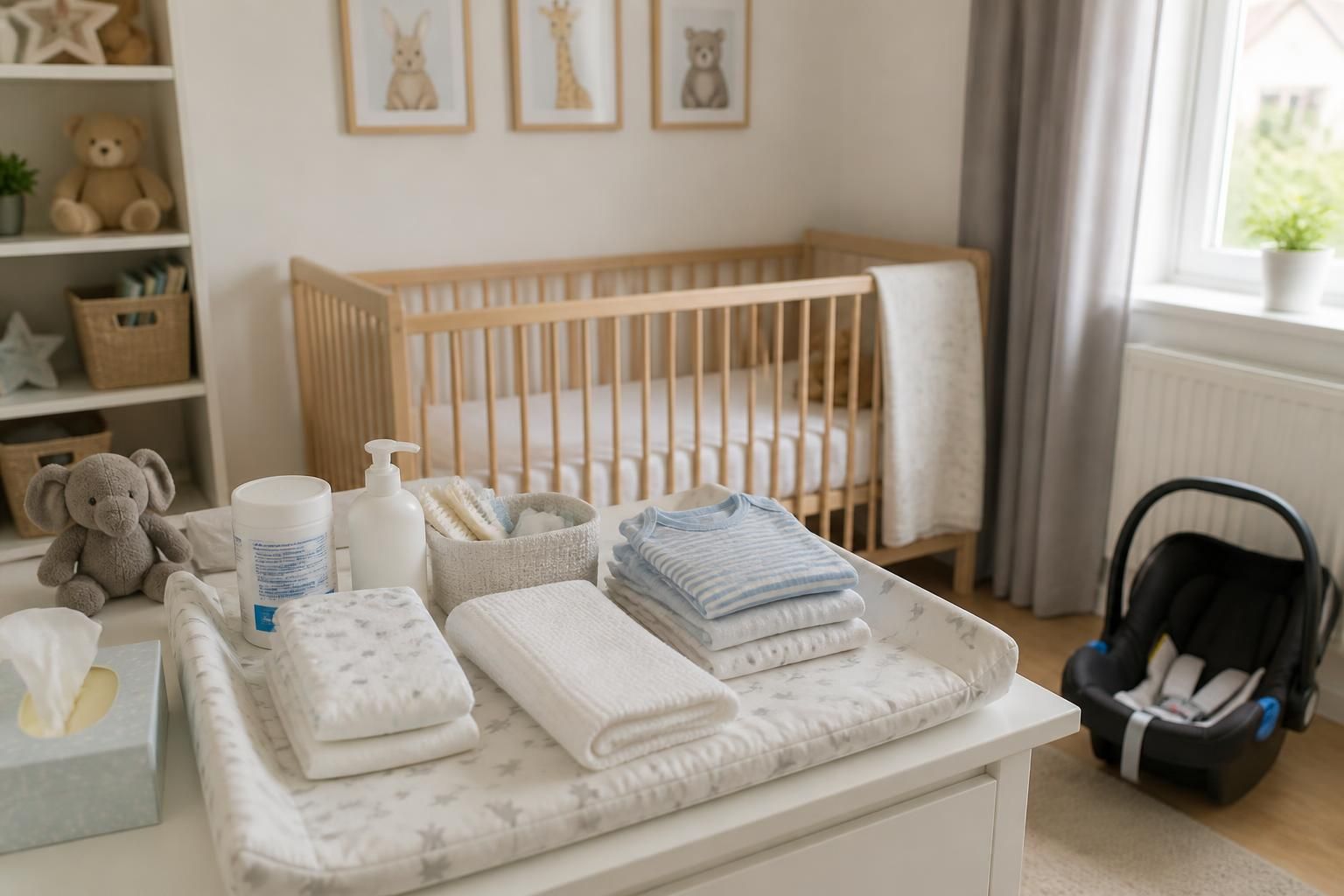
For infant foster care, you will usually need a safe sleeping space with a suitable cot and mattress, along with bedding, nappies, clothing, feeding equipment, toiletries and an appropriate car seat. Your fostering service will advise on required equipment and help you prepare your home for the individual infant’s needs.
Partnering with an
Ofsted Outstanding Provider
Equipment for infant foster care should be safe, clean, age-appropriate and suitable for the individual baby’s care plan. You do not need to purchase every possible baby product before approval; the important point is to prepare a secure, practical space and understand which items may be needed when a placement is made.
Prepare a dedicated care area. Make sure there is enough room to organise the baby’s belongings, change clothing and manage feeding or personal care without clutter. Storage should keep medicines, cleaning products, small objects and other hazards out of reach. A stable changing surface, if used, should never be left unattended while the baby is on it.
Consider useful additional items. Depending on the infant’s age and development, you may need items such as muslin cloths, bibs, a baby bath or suitable washing equipment, a thermometer, baby-safe laundry products, a sterilising method for feeding items, and age-appropriate toys or books. These are not automatically required for every placement. The child’s routine, health needs and feeding arrangements should guide what you obtain.
Follow safe-sleep guidance. The sleeping space should be kept clear of loose items and set up in line with current safe-sleep advice. Avoid buying products that claim to prevent sudden infant death unless their safety and suitability have been confirmed by your fostering service or a qualified professional. Sleep positioners, pillows, loose quilts and similar accessories may be unsuitable for young babies.
Check equipment before it is used. New items should be assembled exactly as instructed, and second-hand items need particular care. Check for damage, missing parts, worn fastenings, unstable frames and cleanliness. Do not use equipment if you cannot confirm its condition, safety history or compliance with current requirements. Keep instructions and proof of purchase where possible, and check whether an item has been recalled.
Plan for changing needs. Infants grow quickly, so avoid buying large quantities of one size of clothing or nappies in advance. A small supply of several suitable sizes may be more practical until you know the child’s measurements and routine. Some babies may also need specialist equipment or adaptations because of prematurity, disability, medical treatment or developmental needs.
Think about travel and transport. Any equipment used in a vehicle must be appropriate for the infant’s size and correctly installed. Follow the manufacturer’s instructions and obtain advice if you are unsure about fitting or compatibility. If you use a pushchair, sling or carrier, check that it is suitable for the baby’s age and that you know how to use it safely.
Keep essential information with the equipment. It can help to store instructions, cleaning guidance and fitting details together in an accessible place. You may also need to record when items were cleaned, checked or replaced, particularly where equipment is shared or used regularly. The child’s placement information should be kept securely and separately from general household paperwork.
Ask what will be arranged before buying specialist items. During the assessment and preparation process, discuss what you already have, what needs changing and what may be supplied or funded under the fostering arrangements. Your fostering service can help you distinguish between ordinary household preparation and equipment required specifically for an infant’s assessed needs.
Before an infant arrives, review the room, remove hazards, assemble essential items and practise using unfamiliar equipment. Any concerns about feeding equipment, transport, sleep arrangements or specialist products should be raised with your supervising social worker or the child’s professional team before use.
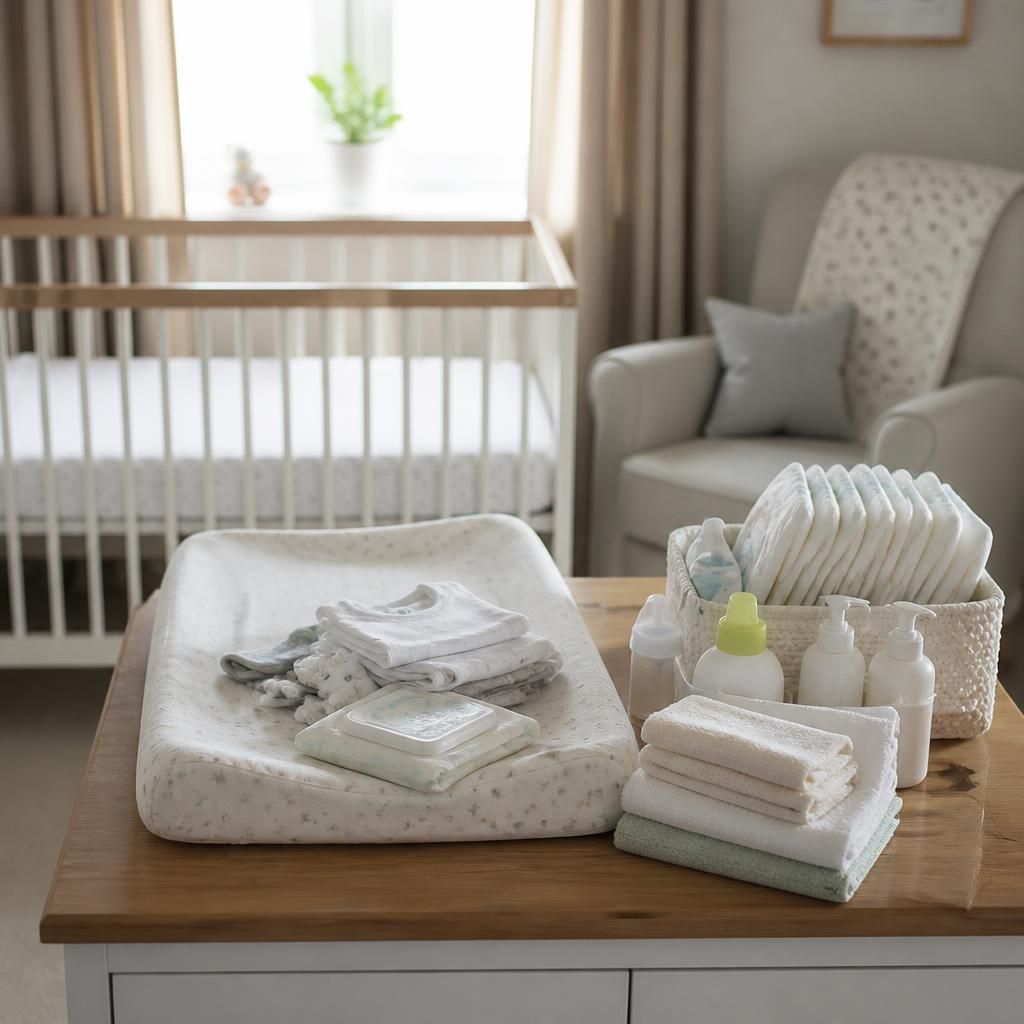
When an infant arrives with personal equipment, such as a comforter, feeding items or a familiar travel product, do not assume it must be used immediately. Check with the child’s social worker or fostering service whether it is suitable for the infant’s age, health needs and care plan. Familiar items may help maintain continuity, but safety and hygiene come first.
Keep the infant’s belongings clearly identified and separate from equipment used by other children in the household. This makes it easier to follow the agreed care arrangements, avoid mix-ups and ensure personal items return with the child if the placement ends or equipment is no longer needed.
Discuss preparing for infant foster care
If you are considering infant foster care, contact Become A Foster Family to discuss your circumstances and the preparation process with a member of the fostering team.