

What happens if an infant in foster care becomes unwell?
If an infant in foster care becomes unwell, seek appropriate medical advice promptly, using emergency services for a life-threatening situation and NHS 111 or the child’s GP for less urgent concerns. Inform the supervising social worker and relevant professionals, follow the infant’s healthcare plan, and keep clear records of symptoms, advice and treatment.
Partnering with an
Ofsted Outstanding Provider
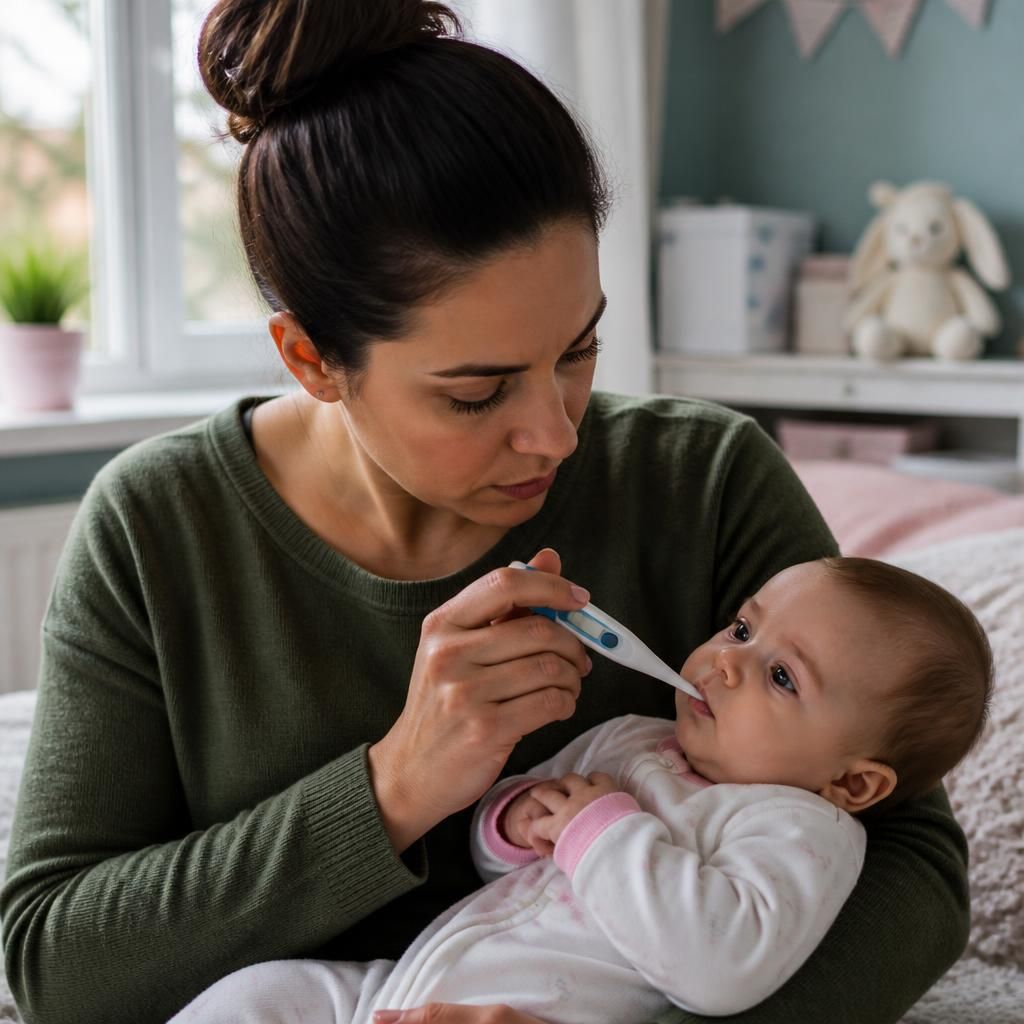
If an infant in foster care becomes unwell, the foster carer should act in the same way a responsible parent would: assess the situation, obtain the right level of medical help, follow the child’s healthcare plan and keep the professionals responsible for the placement informed. Infants can become seriously ill quickly, so a significant change in their condition should always be taken seriously.
Follow the infant’s healthcare plan
At the start of a placement, the foster carer should be given relevant health information, including known allergies, existing conditions, medication, immunisation information where available, feeding guidance and details of the child’s GP or other health professionals. The placement plan should also explain who can consent to routine and urgent treatment, and what authority has been delegated to the foster carer.
This information may not be complete, particularly when an infant arrives in an emergency or has recently come into care. Tell the supervising social worker if important health information is missing, unclear or appears out of date. Do not delay urgent medical assessment while waiting for paperwork or permission if the infant needs immediate help.
Recognising when an infant needs urgent attention
Seek emergency help if the infant has severe breathing difficulty, turns blue or unusually pale, is unresponsive, has a seizure, has a serious injury, is choking, or appears critically ill. A very young baby with a fever, marked drowsiness, poor responsiveness, repeated vomiting, significant dehydration or difficulty feeding also needs prompt medical assessment. If you are unsure how serious the symptoms are, explain clearly that the child is an infant in foster care and describe what you have observed.
For less urgent illness, contact the infant’s GP or NHS 111 for clinical advice. Do not rely on general information alone where symptoms are persistent, worsening or unusual for that child. Follow the clinician’s instructions and ask what signs should lead to further help.
Common illnesses and treatment
Minor coughs, colds, rashes, feeding difficulties and stomach upsets may be managed with advice from a healthcare professional. The appropriate treatment depends on the infant’s age, weight, symptoms and medical history. Never give medicine left over from another child or use someone else’s prescription. Check the label and professional advice carefully, and record what was given, when it was given and by whom.
If prescribed medicine is needed, the foster carer should follow the directions and store it safely. Tell the supervising social worker and relevant health professionals about prescribed treatment, missed doses, side effects or any difficulty getting the medicine. Do not stop or change prescribed treatment without medical advice, unless emergency clinicians instruct you to do so.
If the infant needs hospital treatment
If an infant is admitted to hospital, the foster carer should provide the child’s identifying details, health information, medication details and placement contacts. Tell the supervising social worker and the child’s social worker as soon as practicable, while prioritising the infant’s immediate care. The hospital team may need to clarify consent and parental responsibility arrangements with the local authority or birth family, depending on the treatment and the circumstances.
Ask the medical team to explain the diagnosis, proposed treatment, warning signs and follow-up arrangements in straightforward language. Keep copies or notes of discharge instructions and make sure everyone responsible for the infant understands any changes to feeding, medication, appointments or monitoring.
Keeping accurate records
Record the date and time symptoms began, what you noticed, the infant’s feeding and sleep, temperature readings if advised, medical contacts, professional advice, treatment and the infant’s response. Include any missed appointments or difficulties following the healthcare plan. Factual records help professionals identify patterns and make safe decisions; avoid guessing at a diagnosis or recording opinions as facts.
Inform the supervising social worker about significant illness, injury, emergency treatment, hospital attendance and any event that affects the placement plan. They can help coordinate information between the foster carer, social worker, health visitor, GP and other relevant professionals. A health review or placement-plan update may be needed after a serious illness or recurring symptoms.
Reducing the spread of infection
Use good hand hygiene, follow clinical advice about keeping the infant away from others and clean feeding or care equipment as directed. Tell professionals if the infant has been exposed to a contagious illness. Any advice about nursery, contact arrangements or visits should be discussed with the child’s social worker and health professionals, rather than decided solely on assumptions about infection.
Supporting the infant after illness
Recovery may involve changes in feeding, sleep, comfort, mobility or behaviour. Follow the agreed care instructions and monitor whether the infant is returning to their usual pattern. Arrange follow-up appointments and share relevant information with the professionals involved in the child’s care. If the infant remains unsettled, feeds poorly, becomes unusually sleepy or shows worsening symptoms, seek further clinical advice.
Illness can also affect contact arrangements with birth family. The child’s social worker should be involved if a medical appointment, hospital stay or infection-control advice changes planned contact. Share appropriate factual updates in line with the placement and communication arrangements, while protecting the infant’s confidential health information.
Foster carers are not expected to diagnose an infant’s illness. Their role is to notice changes, respond safely, obtain medical advice, follow authorised treatment and communicate accurately. Training, the supervising social worker, the child’s social worker and health professionals provide support when a foster carer is uncertain about the next step.
If an infant’s illness or injury raises a safeguarding concern, report it promptly to the child’s social worker and supervising social worker. This may include unexplained injuries, repeated accidents, signs that care needs have not been met, or information suggesting the infant may be at risk of harm. Share what you observed, when you noticed it and what the infant said or did, without questioning others extensively or trying to investigate the situation yourself.
Keep the infant’s immediate safety and medical needs at the centre of your response. Follow safeguarding instructions carefully, preserve relevant records and avoid discussing sensitive details with people who are not involved in the child’s care. The professionals responsible for the placement can coordinate medical, social care and safeguarding action.
Discuss your questions about infant foster care
If you are considering infant foster care and have questions about responding to illness, speak with our fostering team for clear guidance about the support, training and responsibilities involved.