
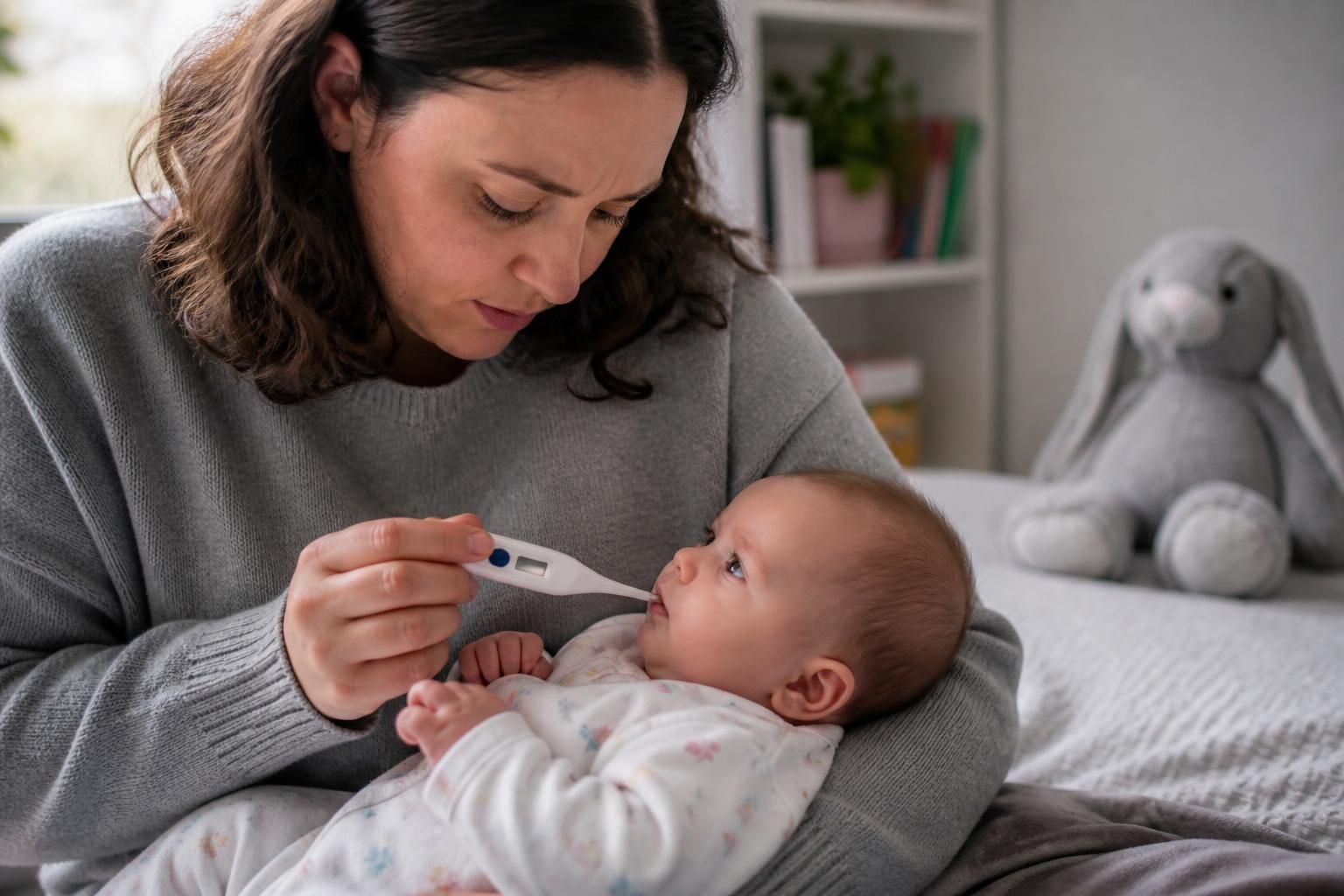
What should I do if a baby becomes unwell in temporary foster care?
If a baby becomes unwell in temporary foster care, assess the symptoms, seek urgent medical help for serious or rapidly worsening signs, and follow the child’s health plan and local authority guidance. Contact the baby’s social worker and your supervising social worker, keep accurate records of symptoms and treatment, and update the parents’ contact arrangements where instructed.
Partnering with an
Ofsted Outstanding Provider
If a baby becomes unwell in temporary foster care, the priority is to identify whether they need emergency treatment, urgent clinical advice or careful observation under their health plan. Babies can deteriorate quickly and may show only subtle changes, so take any significant change in breathing, colour, feeding, responsiveness or wet nappies seriously.
Get emergency help immediately if the baby is not breathing normally, is struggling to breathe, becomes blue, grey or unusually pale, is difficult to wake, has a seizure, is seriously injured, or has heavy bleeding. Call 999 and follow the operator’s instructions. Do not delay emergency treatment while looking for paperwork, contacting other people or trying to establish who can give consent.
A baby under three months with a temperature of 38°C or higher needs urgent medical assessment unless a clinician has given different advice for that child. Urgent help is also needed for a non-blanching rash, repeated vomiting, signs of dehydration, unusual limpness, a weak or high-pitched cry, or a marked reduction in feeding. If the symptoms are concerning but do not appear immediately life-threatening, use the clinical service set out in the child’s health arrangements, such as NHS 111, the child’s GP or an urgent treatment service.
Use the baby’s individual health information. At the start of a placement, check where the child’s health plan, personal child health record, medication instructions, allergy information and details for their GP or health visitor are kept. The plan may include advice about feeding, reflux, breathing problems, prematurity, medical conditions or previous hospital treatment. Follow this information rather than relying on assumptions about what is normal for the baby.
When seeking advice, be ready to explain:
- when the change was first noticed and whether it is getting worse;
- the baby’s temperature, how it was measured and the time of the reading;
- breathing changes, skin colour, alertness, crying and movement;
- what and how much the baby has taken, including breast milk, formula or prescribed feeds;
- wet and dirty nappies, vomiting or diarrhoea;
- any fall, bump, possible ingestion or contact with someone who is unwell; and
- any medicine already given and the time and dose.
Be careful with medicines. Give only medicine that is authorised for the child and use the stated dose and measuring device. Check the label and instructions each time, particularly if more than one person is caring for the baby. Do not give adult medicine, aspirin or unapproved cough and cold remedies. Do not give honey to a child under one year. If too much medicine may have been given, seek urgent advice and keep the packaging available.
Do not use cold baths, ice, alcohol rubs or vigorous rubbing to try to reduce a temperature. Keep the baby comfortably dressed, offer their usual feeds if they are alert and able to swallow, and do not force feeds. If the baby is vomiting, has breathing difficulty or is unusually sleepy, obtain clinical advice rather than attempting to manage the problem at home. Continue to follow safe-sleep arrangements: place the baby on their back in a clear, suitable cot, unless a medical professional has instructed otherwise.
Once immediate medical needs have been addressed, update the professionals responsible for the placement in line with the child’s care arrangements. The foster carer should not independently alter a medical appointment, prescribed treatment or agreed contact plan. Any hospital attendance, diagnosis, treatment, admission or change in the baby’s condition should be passed on through the agreed professional route so that the care plan and the parents’ information can be updated appropriately.
Make a clear contemporaneous note of what you observed, the times of symptoms and calls, the advice received, treatment provided and the baby’s response. Keep receipts, discharge information, prescriptions and appointment details with the child’s records where required. Record facts rather than conclusions: for example, write that the baby took less than usual and had fewer wet nappies, rather than diagnosing dehydration yourself.
Consider safeguarding as well as illness. An unexplained injury, repeated presentation with injuries, an account that does not fit the observed mark, or a sudden change after contact should be reported through the safeguarding arrangements. Do not question the baby in a way that could create an account, and do not investigate the cause yourself. Preserve relevant information and pass on what was observed, using the procedures explained during fostering training.
If a clinician advises observation at home, continue checking the baby at the intervals recommended and seek further advice if the condition changes or your concern increases. Foster carers are not expected to diagnose the illness; their role is to notice changes promptly, provide safe day-to-day care, obtain appropriate medical help and share accurate information with the people responsible for the child’s welfare.
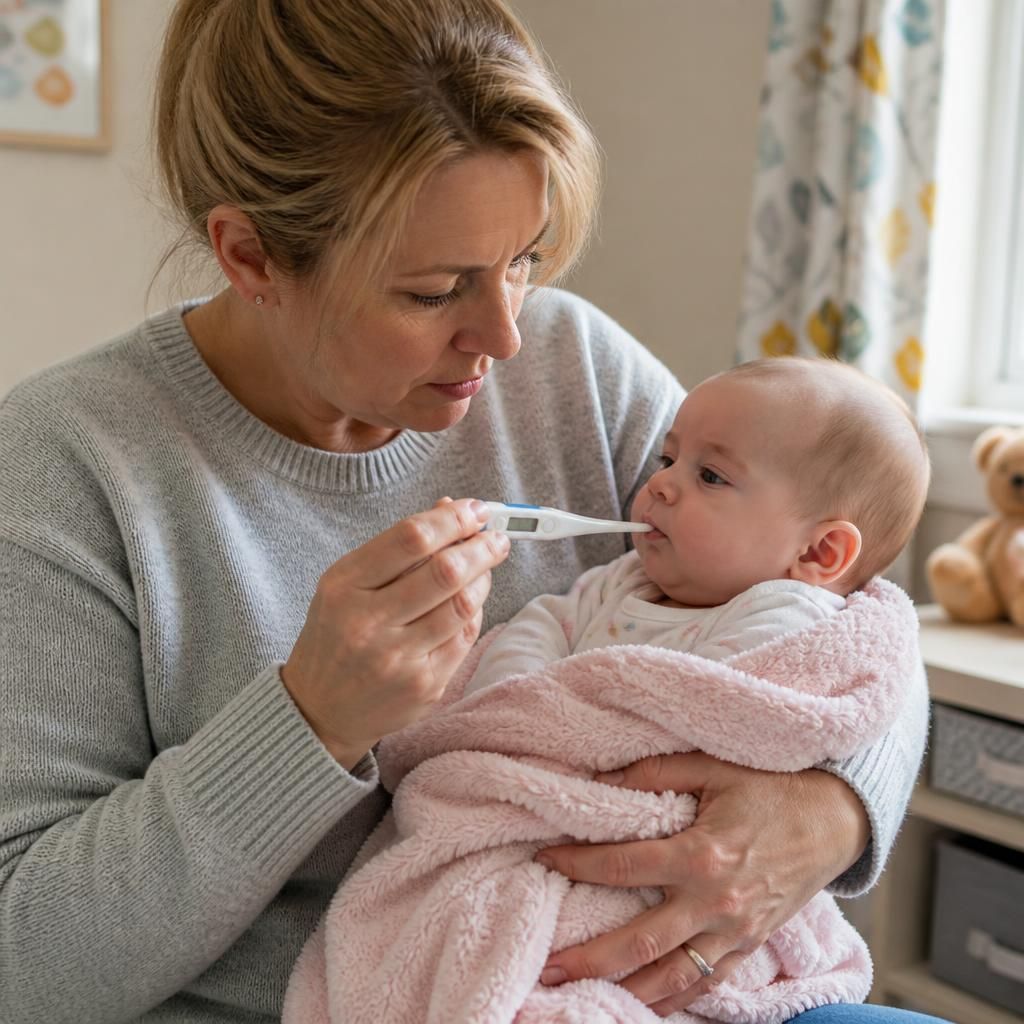
If the baby’s symptoms could be infectious, take sensible steps to reduce the risk of passing illness to other children and adults in the household. Wash your hands before and after feeding, nappy changes, giving authorised medicine or touching the baby’s bodily fluids. Clean changing surfaces and frequently handled items, and avoid sharing towels, cups or feeding equipment.
Tell the healthcare professional and the child’s social worker about possible exposure to infection, particularly if anyone in the foster home is vulnerable or if the baby is due to attend contact, nursery or an appointment. Do not cancel or rearrange arrangements independently; ask the responsible professionals what changes are needed. Follow any clinical advice about staying at home, isolation, cleaning or monitoring other household members.
Get guidance on caring for a baby in temporary foster care
If you are considering temporary foster care for an infant, speak to our fostering team about the health guidance, training and ongoing support available before you apply. They can help you understand how carers are prepared to respond when a baby becomes unwell.