
What training is needed to foster babies and infants?
Training to foster babies and infants usually includes preparation before approval, covering safeguarding, infant development, safe care, attachment, health needs, and working with birth families and professionals. After approval, you will continue developing your skills through ongoing training tailored to the needs of the baby in your care.
Partnering with an
Ofsted Outstanding Provider
Training to foster babies and infants is a combination of pre-approval preparation, practical learning and ongoing development. It is designed to help you understand a baby’s needs, provide safe day-to-day care, respond appropriately to health or developmental concerns, and work within the wider care plan.
Before approval, prospective foster carers normally complete an introductory fostering course arranged by their fostering service. This forms part of the assessment process and helps you decide whether fostering is right for your household. You may learn about:
- How fostering works, including the responsibilities of foster carers and the role of the fostering service.
- How babies develop physically, emotionally and socially, and how early experiences can affect their behaviour and relationships.
- Safer caring, safeguarding, confidentiality and professional boundaries.
- How to provide consistent routines while responding sensitively to a baby’s individual cues.
- Working with birth parents, social workers, health professionals and other people involved in the child’s care.
- Recording observations and sharing relevant information accurately.
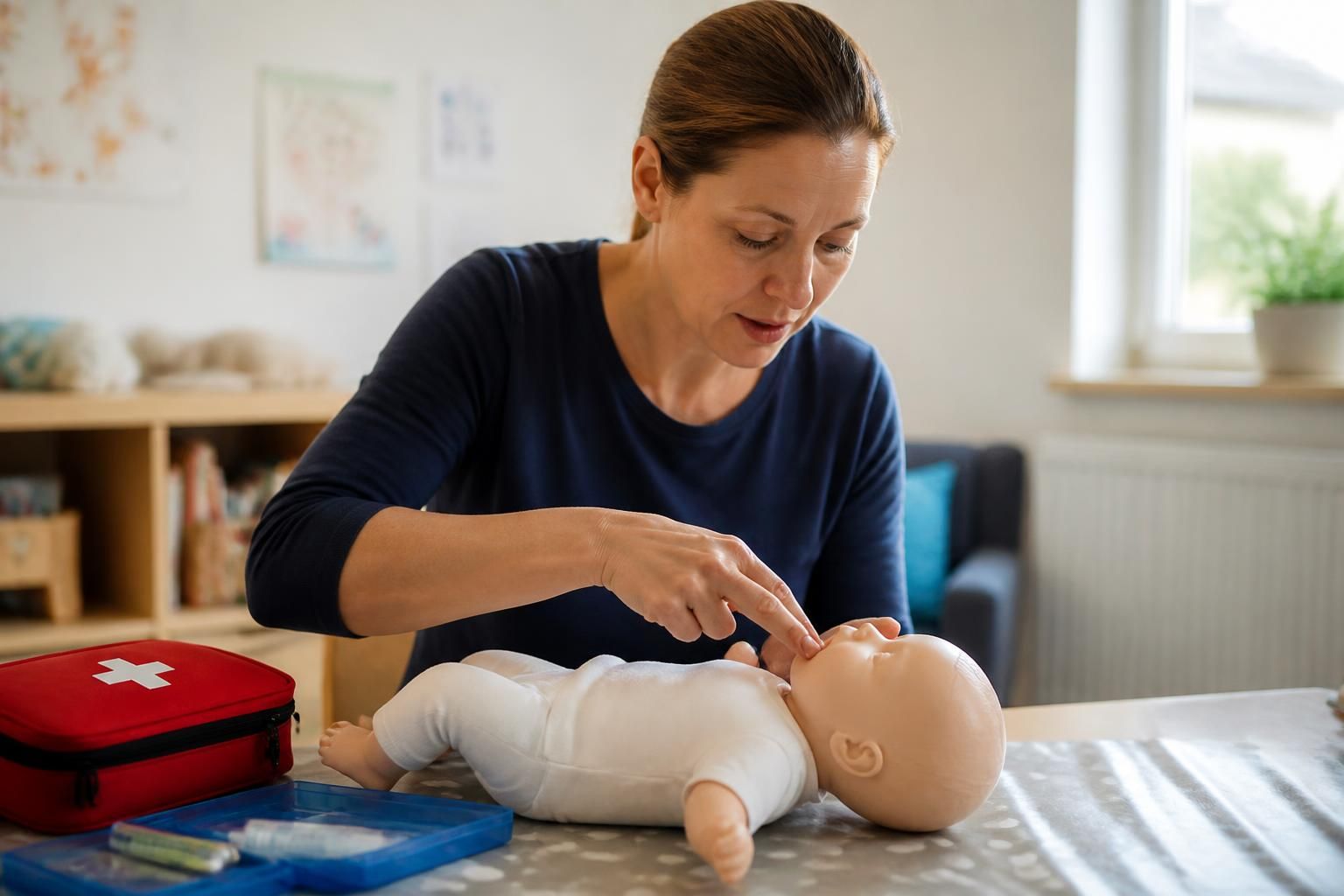
Infant-specific preparation usually focuses on the practical responsibilities that can arise when caring for a very young child. This may include safe sleeping arrangements, appropriate handling, feeding, nappy changing, bathing, soothing and recognising changes in a baby’s behaviour. Training may also cover safe use of equipment, reducing avoidable risks in the home and responding to common health concerns.
Paediatric first aid is particularly relevant when fostering a baby. Depending on the fostering service and the child’s circumstances, you may be expected to learn how to respond to choking, breathing difficulties, fever, injury or an unresponsive child. You should follow the training provided by your fostering service and seek medical advice whenever a baby appears seriously unwell or their condition changes.
A key part of the preparation is understanding attachment and the effects of separation. Babies entering foster care may have experienced neglect, inconsistent care, parental substance misuse, domestic abuse or other disruption, although every child’s history is different. Training can help you recognise that feeding difficulties, unsettled sleep, withdrawal or intense distress may be communication rather than deliberate behaviour. It should also explain how to offer predictable care without making assumptions about the child’s past.
You may receive guidance on caring for babies who have additional needs. This could include premature birth, developmental delay, medical treatment, disability, medication, substance withdrawal or difficulties with feeding and weight gain. You are not expected to provide specialist healthcare without instruction. Where a baby has complex needs, the fostering service should explain the care arrangements, identify any extra training required and clarify which tasks you can carry out safely.
Training also covers contact and relationships with the baby’s birth family. Foster carers may need to support contact arrangements, share observations and help maintain important family connections. You will be taught how to remain child-focused, respect confidentiality, manage sensitive conversations and raise concerns through the correct channels rather than making independent decisions about contact.
Once you are approved, your learning continues through a personal development plan. Further training may be arranged in response to a particular baby’s needs, such as medication, specialist feeding, safe moving and handling, therapeutic care or a medical condition. Some learning may be delivered by a trainer, while other guidance may come from a social worker, health professional or experienced member of the fostering team.
Your fostering service should explain which courses are required, how training is delivered and how completion is recorded. Requirements can differ between services and may depend on the age, health and circumstances of the baby placed with you. Ask specifically about:
- Whether training is completed before approval or after approval.
- Which first-aid and safeguarding courses are required.
- How practical skills are taught and assessed.
- What additional preparation is available for medically fragile or premature babies.
- How refresher training and ongoing professional development are managed.
- Who you should contact if you are unsure about a baby’s care, health or routine.
You do not need to arrive with professional childcare qualifications to begin the assessment. However, you do need to engage with the training, reflect on your own skills and show that you can follow guidance, keep accurate records and seek help when necessary. Your assessment will consider your experience, household circumstances, support network and ability to provide safe, reliable care; training is one part of that wider process.
At Become a Foster Family, preparation is followed by guidance from the fostering team and learning that reflects the needs of the child placed with you. If you are considering fostering a baby, ask for a clear outline of the training pathway and how infant-specific support will be provided before you apply.
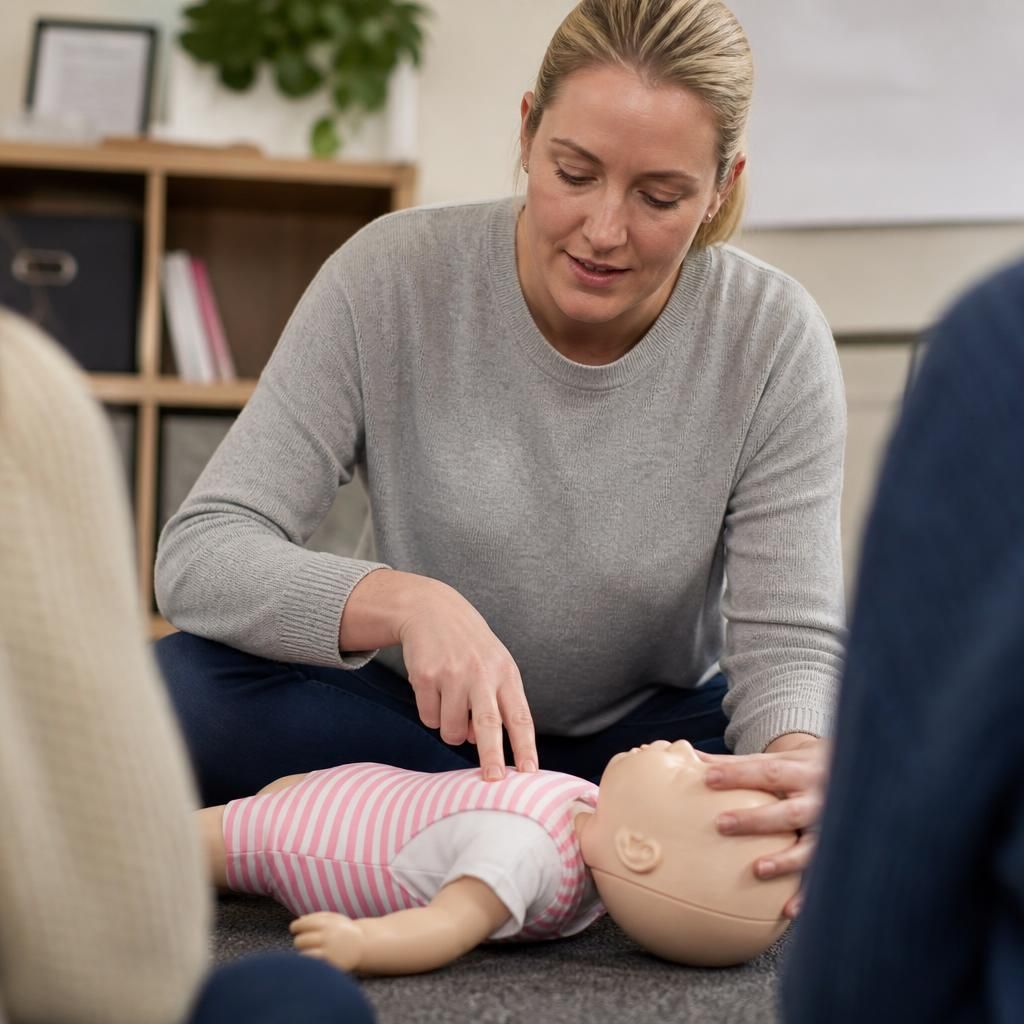
Training to foster a baby is usually assessed through your understanding and application of safe care, rather than through a formal childcare examination. Before approval, you may take part in discussions, case studies, practical exercises and reflective activities that explore how you would respond to everyday situations involving a baby.
You may be asked to explain your decisions, consider different viewpoints and identify when professional advice is needed. This helps the fostering service understand how you process information, respond to guidance and recognise your own limits. It also gives you an opportunity to identify areas where you would benefit from further learning before a baby is placed with you.
Keeping a record of completed training and reflecting on what you have learned can help you apply it consistently. If circumstances change or a baby’s needs develop, your fostering team can use this information to identify the most relevant additional preparation.
Ask about training to foster babies and infants
If you are considering fostering a baby or infant, speak to Become a Foster Family about whether it is suitable for your household and what the next step in the assessment involves.