

How is family contact managed during the foster to adopt process?
Family contact during the foster to adopt process is planned by the child’s social worker around the child’s welfare, relationships and legal circumstances. The arrangements may include direct, supervised or indirect contact with birth family, and are reviewed as the placement progresses, with carers given guidance on supporting the child before and after contact.
Partnering with an
Ofsted Outstanding Provider
Family contact is managed through a written plan agreed by the local authority, with the child’s safety, emotional wellbeing and developing relationships at its centre. Foster to adopt carers are expected to follow this plan rather than make private arrangements with relatives, because contact can affect the child’s care, the evidence gathered for decision-making and the legal process.
The plan should set out practical details such as:
- which birth relatives or other significant people the child will see or hear from;
- the location, frequency and expected length of each session;
- whether a social worker or another approved adult must be present;
- who is responsible for transport and handovers;
- how telephone, video or written communication should take place;
- what information can be shared about the child; and
- what to do if a session is cancelled, missed or becomes unsuitable.
Contact may involve parents, brothers and sisters, grandparents or another person who has played an important role in the child’s life. The arrangements will depend on the child’s age and development, their previous experiences, the quality of each relationship, any safeguarding concerns and the stage reached in the care and adoption proceedings. Contact between siblings may need separate consideration, particularly if children are placed in different homes.
Where contact is face to face, the supervising adult is responsible for observing the interaction and raising concerns. Supervision is not intended to turn the session into an informal assessment by the foster to adopt carer. Carers should remain neutral, avoid discussing disputed decisions with birth relatives and refer questions about the case to the child’s social worker. They should also avoid making promises about where the child will live or what will happen next.
Foster to adopt carers usually help the child attend contact and provide information about how the child was before and after the session. Young children may show changes in sleep, feeding, behaviour or mood, while older children may ask questions, withdraw or appear unsettled. These reactions do not automatically mean that contact should stop. They should be recorded factually and discussed with the social worker so that the arrangements can be considered properly.
Carers should keep records of significant contact-related events, including attendance, handover information, the child’s presentation and any words or behaviour that may be relevant. Records should distinguish between what was seen or heard and the carer’s interpretation. They should be stored securely and shared only through the agreed professional channels.
Birth relatives may also need clear information about the boundaries of contact. They may not be able to receive the foster to adopt carers’ address, telephone number, photographs or other personal details. Carers should not share information directly unless this has been authorised. Communication through an agreed contact centre, professional or secure system can help protect privacy and reduce confusion.
Contact arrangements can change when the child’s circumstances change. For example, the local authority may need to reconsider the plan after a significant safeguarding concern, a missed series of sessions, a change in the child’s behaviour or a change in the legal proceedings. Changes should be discussed with the child’s social worker and recorded formally. A foster to adopt carer should not suspend or increase contact independently, except where there is an immediate safety concern; in that situation, they should follow the local authority’s instructions and report what has happened promptly.
The child’s views should be considered in a way that is appropriate to their age and understanding. This does not mean that a child carries responsibility for deciding contact arrangements, particularly where adults must balance their wishes with safety and legal duties. Birth family members should also be given appropriate information about arrangements and how concerns can be raised.
Contact is separate from the question of whether adoption will ultimately proceed. Foster to adopt carers can support a child’s existing relationships while remaining within their fostering role and without presenting themselves as the child’s permanent parent. If the legal position changes, the local authority and relevant professionals will explain whether contact should continue, alter or be managed under a different arrangement.
Carers should ask the child’s social worker to explain any part of the plan they do not understand before the placement begins. They should know who to contact about missed sessions, concerning behaviour, requests for information or disagreements about practical arrangements. Consistent communication between the carer, social worker and contact professionals helps ensure that contact remains safe, predictable and suitable for the child.
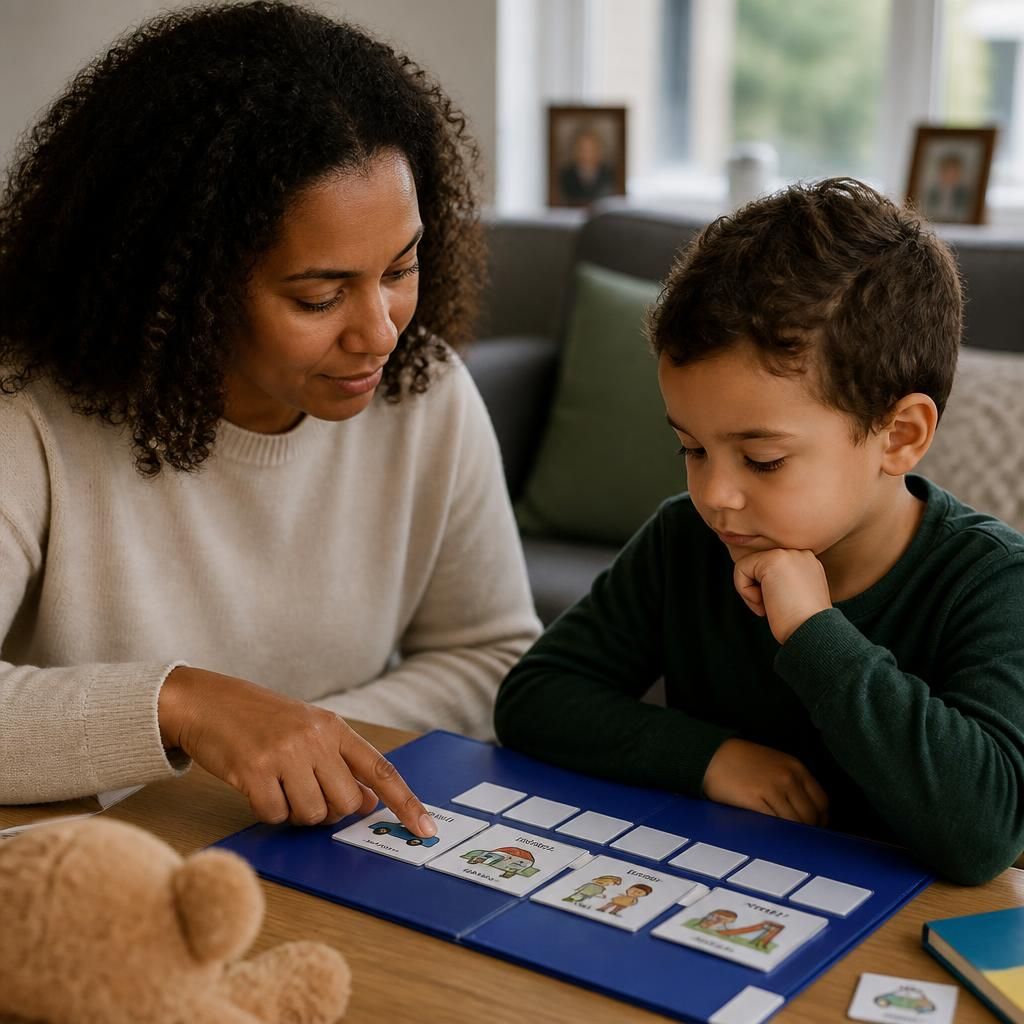
Preparing a child for family contact means helping them understand what will happen in a way that matches their age, communication needs and previous experiences. The foster to adopt carer should use the wording agreed with the social worker, avoid suggesting that the session will lead to a particular outcome and give the child opportunities to ask questions without pressuring them to talk.
Practical preparation might include using a simple visual timetable, explaining who will be present and checking whether the child has a familiar comfort item or communication aid. It is important to avoid describing contact as a test, reward or punishment. Carers should also allow time for the child to settle afterwards and maintain ordinary routines where possible. If the child repeatedly appears confused about the arrangements or receives conflicting messages from adults, this should be raised with the social worker so the preparation can be reviewed.
Find out more about family contact in foster to adopt
Want to understand how family contact could fit into a foster to adopt placement? Speak to our fostering team for clear guidance on the process and the support available to carers.