
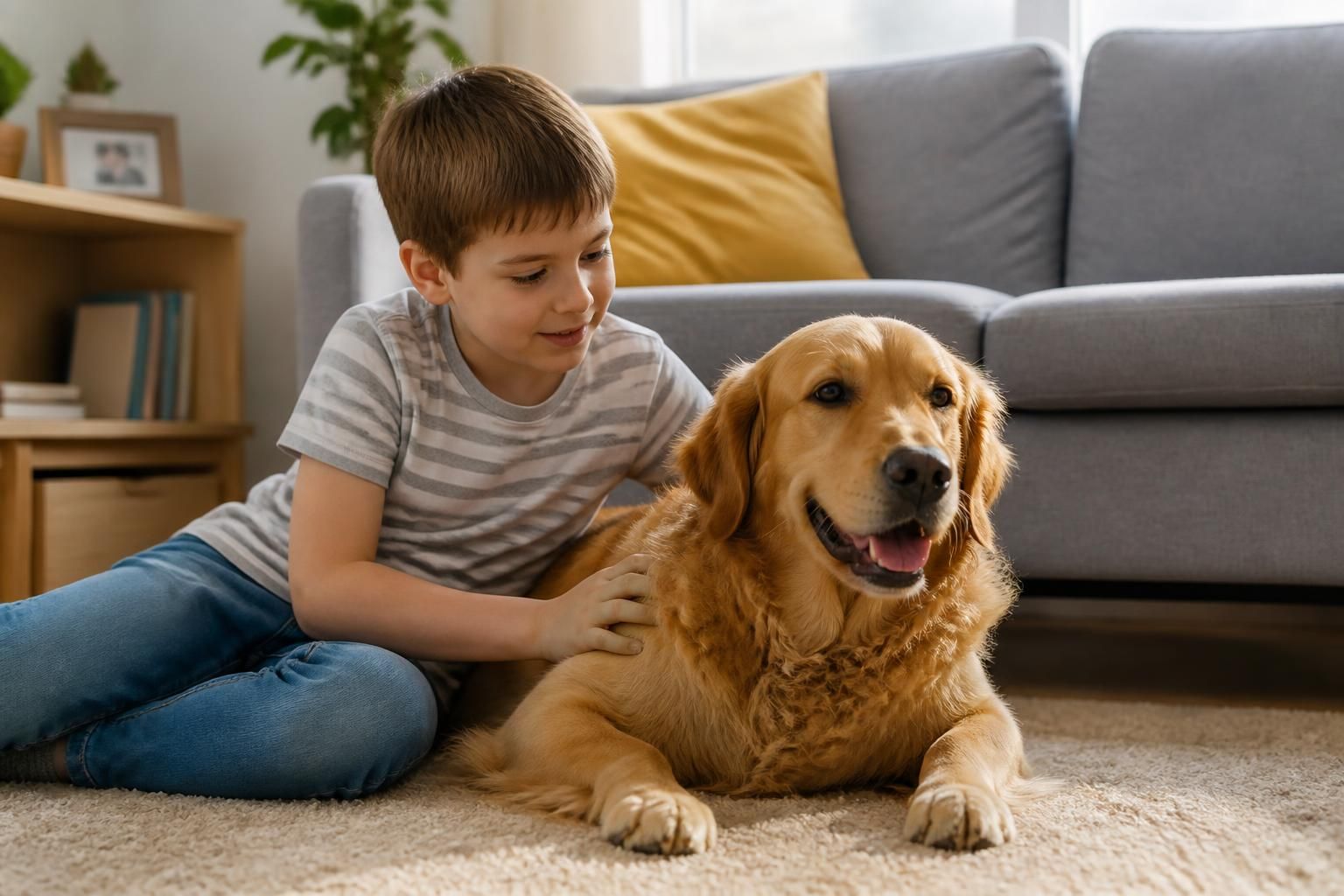
Are pets allowed when fostering to adopt?
Yes, you can usually foster to adopt if you have pets, but each animal will be considered as part of your assessment. The assessment will look at your pet’s temperament, behaviour, health and ability to live safely alongside a child, with suitable arrangements made where needed.
Partnering with an
Ofsted Outstanding Provider
Having a pet does not normally prevent you from fostering to adopt. Your assessing social worker will consider how the animal fits into your household and whether the home can provide a safe environment for a child during the fostering-to-adopt placement.
The assessment is likely to consider:
- the type, age, size and number of pets you have;
- their behaviour around children, visitors and unfamiliar situations;
- any history of aggression, biting, threatening behaviour or unpredictable reactions;
- their health, vaccinations and veterinary care;
- where the animals eat, sleep and spend time in the home; and
- how you would manage contact between the pet and a child.
Dogs usually receive particular attention because of their size, strength and potential to cause injury, but all animals will be discussed. Cats, rabbits, birds, reptiles, horses and other pets can also raise practical or safety considerations. An animal that has not lived with children before is not automatically unsuitable, although you will need to explain how you would manage that situation.
The child’s age, experiences and individual needs will also affect the arrangements. Some children may be frightened of animals, have allergies, or need help to understand safe behaviour around pets. Others may have experienced neglect or harm involving animals. These factors can affect whether a particular placement is appropriate and what safeguards are required.
During the assessment, you should be open about your pets and provide relevant information, including veterinary records or details of previous incidents. Your social worker may want to observe the animals or ask about their normal routines. This is not intended to penalise responsible pet owners; it helps the fostering team make a realistic assessment of risk and identify suitable arrangements.
Possible arrangements may include:
- keeping the child and pet together only with close, age-appropriate supervision;
- using stair gates, secure doors, crates, hutches, stables or other safe separation measures;
- keeping food, litter trays, medicines and animal equipment away from the child;
- teaching the child not to disturb an animal while it is eating, sleeping or unwell;
- making sure the pet has a quiet space where it can retreat; and
- arranging additional advice or support if the child or animal needs help adjusting.
Children should not be left unsupervised with an animal, even if the pet is familiar and has previously behaved well. Foster carers remain responsible for following the agreed safety plan and reporting any concerns or changes in behaviour. Supervision arrangements should be practical for everyday routines, including mealtimes, school runs, play and visits from family members.
In some circumstances, a pet may mean that a particular fostering-to-adopt placement is not suitable, or that additional precautions are needed before a placement can proceed. This does not necessarily prevent you from being approved. It may mean that the matching process takes account of the animal, the child’s history and the level of supervision that can realistically be provided.
Pet ownership is therefore discussed as part of the wider fostering-to-adopt assessment, alongside your household, accommodation, health, background and ability to meet a child’s needs. Raise any concerns early, including worries about a pet’s behaviour or about how an animal and child could share the home, so that the appropriate safety arrangements can be considered before approval and placement.

For a fostering-to-adopt placement involving a baby or very young child, pet arrangements should cover more than direct contact. Plan how you will keep animals away from the child’s cot, pram and changing area, and decide where feeding and changing will take place when the pet is nearby. This helps maintain clear boundaries during busy routines, when attention may be divided.
It is also sensible to agree household rules before the placement begins. Everyone should know which areas are restricted, how doors and barriers will be used, and what signs would mean that contact needs to stop. Introducing these arrangements gradually can help your pet adjust without associating the child with sudden disruption. Your fostering team can consider this practical plan alongside the needs of the child and any information available about the placement.
Talk to us about fostering to adopt with pets
If you are considering fostering to adopt and have pets, talk to our fostering team about your household and any questions you have. They can explain how pet ownership will be considered during your application and assessment.