
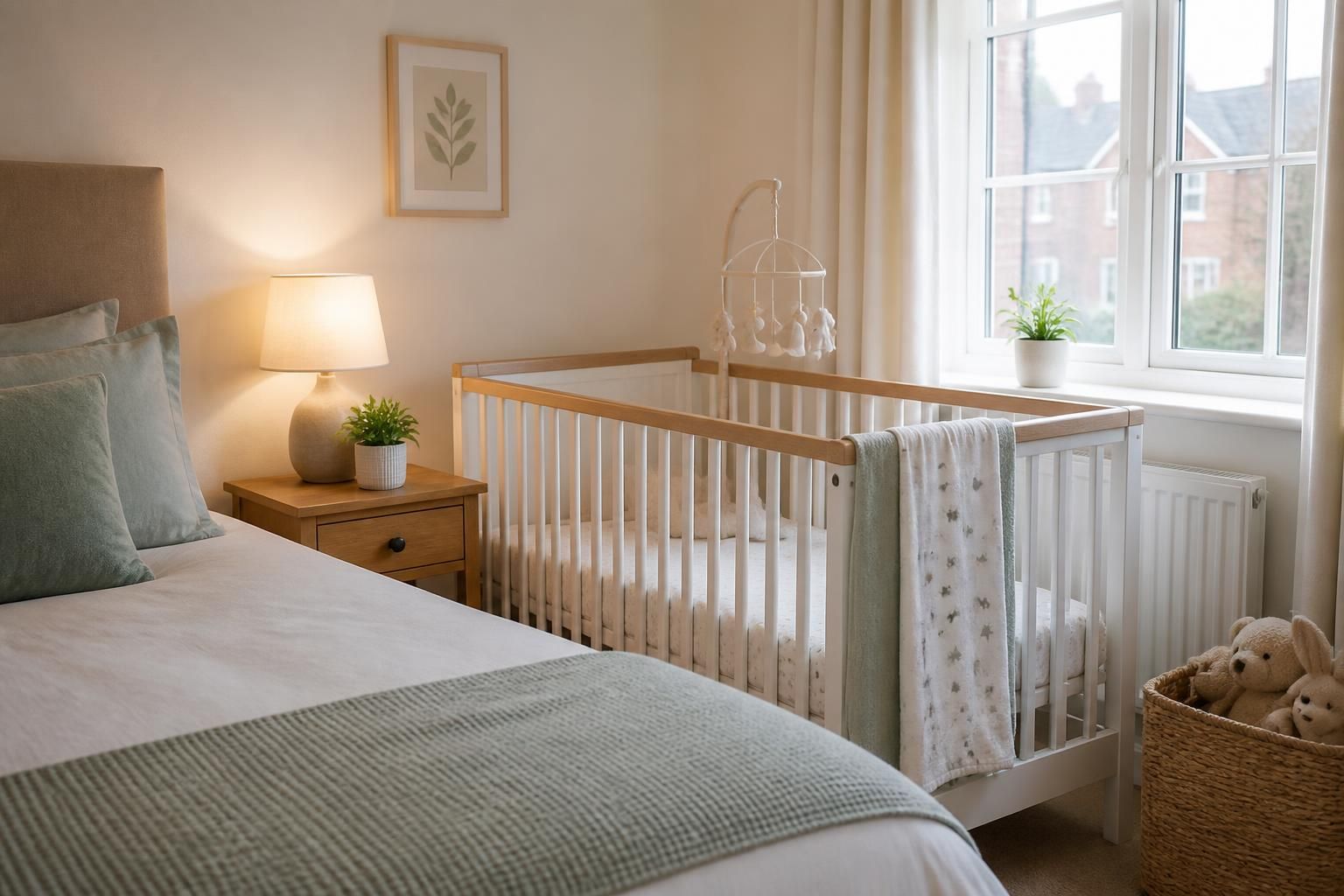
Do I need a spare bedroom for fostering to adopt?
Usually, yes: a child placed through fostering to adopt will generally need their own bedroom, although a baby may initially sleep in your bedroom in line with safe-care guidance. The fostering assessment will consider the child’s age, needs and whether any exception—such as approved sibling sharing—may apply.
Partnering with an
Ofsted Outstanding Provider
A spare bedroom is normally expected as part of a fostering-to-adopt assessment, but the exact arrangement depends on the child’s age, development, health and care plan. The room must be suitable for safe sleeping, personal space and the child’s day-to-day needs, rather than simply being available in name.
What counts as a suitable bedroom?
The child’s bedroom should be a proper, usable room with enough space for a bed or cot, clothing, personal belongings and appropriate furniture. It should provide privacy and be safely accessible. A living room, dining room, hallway, conservatory or other shared-use area would not normally be accepted as a child’s permanent bedroom.
During the assessment, the fostering service will consider practical matters such as:
- whether the room is large enough for the child’s equipment and belongings;
- the location of the room within the home and its suitability for supervision;
- safe windows, doors, stairs and heating;
- smoke alarms, fire safety and evacuation arrangements;
- how the child’s privacy will be protected; and
- whether the room can accommodate items such as a cot, changing equipment or specialist equipment if required.
The room does not generally need to be fully furnished before approval. However, you should be able to show how it would be prepared for a particular child and where essential equipment would be placed.
Can a child share a room?
Room-sharing is considered individually and is not an automatic entitlement. Siblings may sometimes share if this is assessed as safe and appropriate for their ages, relationships and individual needs. The supervising social worker or fostering service will also consider whether each child has enough personal space and whether sharing could affect sleep, privacy or emotional wellbeing.
A child should not normally share a bedroom with another child already living in the household simply because there is no alternative room. Any proposed arrangement would need a clear assessment and approval, taking account of safeguarding, age, gender, behaviour, trauma history and the child’s wishes where appropriate.
What if the child is a baby?
Fostering to adopt placements often involve very young children, so the assessment may consider a temporary room-sharing arrangement. If a baby sleeps in the foster carer’s bedroom, they should have their own safe cot or crib and a separate, clear sleep space. Safe-sleep guidance must be followed, including avoiding the use of an adult bed or sofa for the baby’s routine sleep.
This arrangement may not continue indefinitely. As the child grows, their sleep, privacy and developmental needs change. The fostering service may expect them to move into their own room, so applicants should discuss the longer-term plan rather than relying only on the child’s age at placement.
How is the bedroom assessed?
The social worker will usually discuss the proposed sleeping arrangements during the home assessment and may look at the room, the wider layout of the home and the household’s daily routines. You may need to explain who uses each bedroom, whether the room is currently used for another purpose and how it could be made ready for a child.
Assessment is not based solely on the number of bedrooms. The decision also considers the child likely to be placed, the permanence plan, the age of other children in the home and any specific risks or support needs. A room that is suitable for a newborn may not be suitable for an older child or a child requiring specialist care.
If your current accommodation does not appear suitable, raise this at the earliest stage. Your fostering service can explain whether a change to the sleeping arrangements, a room conversion or different property would be necessary before approval. Do not make major changes based on general advice alone, because the required arrangement depends on the child and the agency’s assessment.
Applicants should also be prepared for the child’s bedroom needs to be reviewed after placement. Fostering to adopt combines fostering responsibilities with an assessment of whether adoption should proceed, so arrangements may need to adapt as the child’s circumstances and developmental needs become clearer.
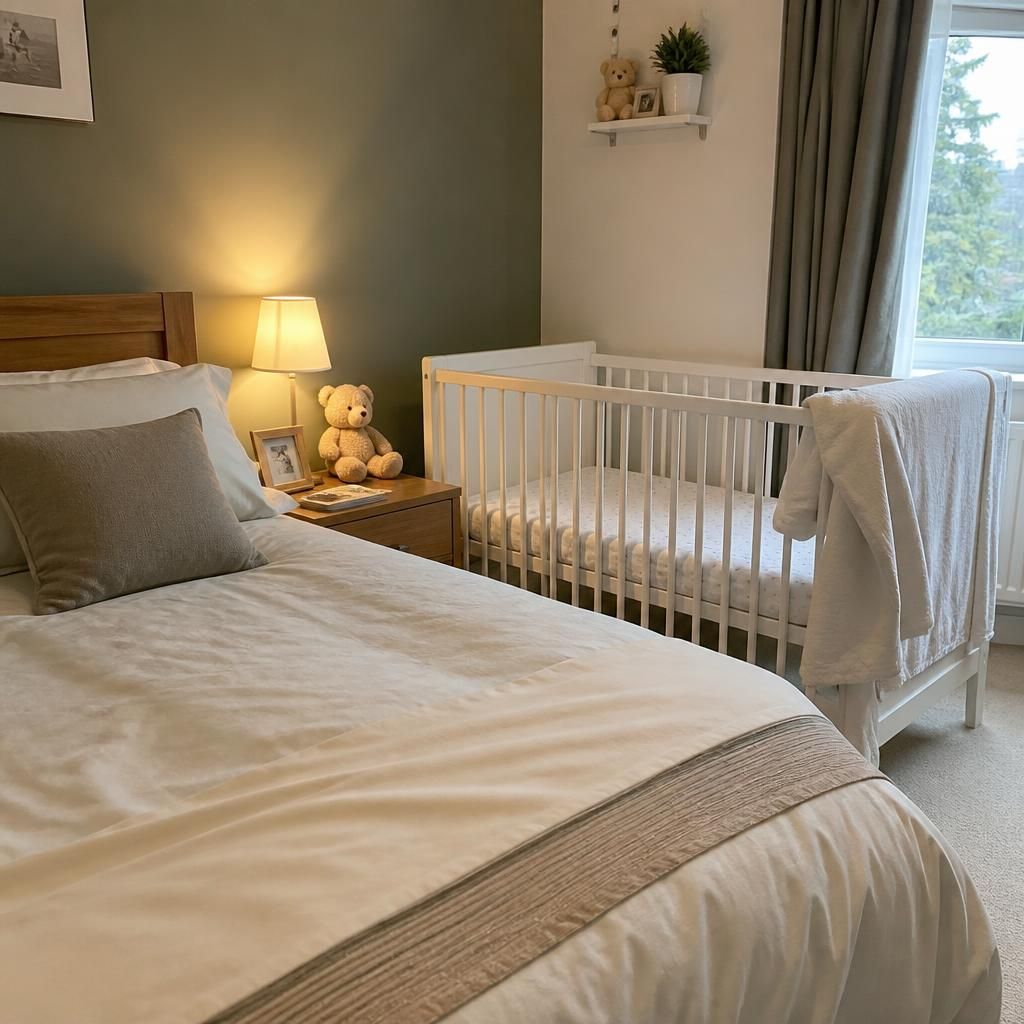
A spare bedroom for fostering to adopt does not have to be completely empty before your assessment, but it must be capable of becoming the child’s dedicated space. For example, a guest room or home office may be considered if it can be cleared of work equipment, valuables and other belongings before placement, leaving enough room for the child’s furniture and personal items.
When discussing your home with the assessing social worker, explain how the room would be prepared and which household arrangements would change once a child arrives. A room that is only occasionally used for storage may be suitable after it has been properly cleared, whereas a space that must continue serving as an office, playroom or regular guest room may not provide the consistency and privacy expected for a child.
Discuss your bedroom arrangements for fostering to adopt
Discuss your proposed bedroom arrangements with our fostering team so you can understand how they would be assessed for a fostering-to-adopt placement. They can help you identify any practical steps to consider before beginning your application.