
How is a child’s wellbeing monitored during private fostering?
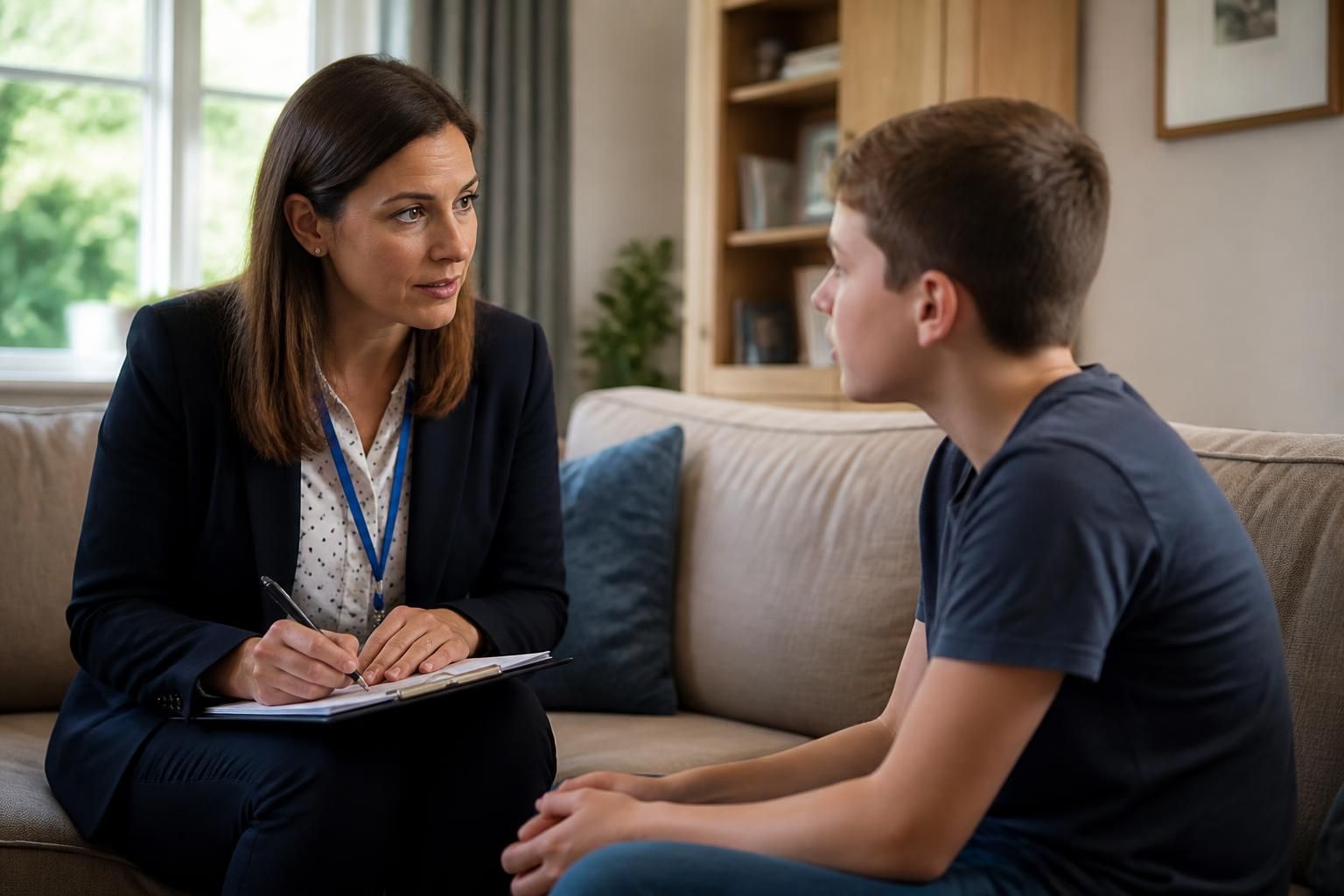
A child’s wellbeing in a private fostering arrangement is monitored by the local authority, which assesses the placement and makes visits to speak with the child, private foster carer and parents. These checks consider the child’s safety, health, education, emotional wellbeing and day-to-day care, with safeguarding action taken if concerns arise.
Partnering with an
Ofsted Outstanding Provider
Monitoring in private fostering is an ongoing welfare assessment carried out by the local authority for the duration of the arrangement. Its purpose is to establish whether the child’s needs are being met, whether the arrangement remains suitable and whether any additional help or protective action is required.
The local authority will usually gather information from several sources rather than relying on a single conversation. This can include:
- the child’s views, wishes and feelings, taking account of their age and understanding;
- the private foster carer’s account of how the arrangement is working;
- information from the child’s parents or anyone with parental responsibility;
- observations about the home environment and the child’s daily routine;
- information from schools, health professionals or other services involved with the child, where appropriate; and
- any relevant changes in the child’s circumstances, behaviour, relationships or care needs.
Visits are planned according to the child’s circumstances and the local authority’s assessment. The authority should be able to see the child and assess their welfare directly, including giving them a suitable opportunity to speak without the private foster carer or parent present where this is appropriate. This helps the child raise worries they may not feel able to discuss in front of adults.
During monitoring, the social worker may consider whether the child:
- has adequate food, clothing, personal care and a suitable place to sleep;
- is attending education or receiving appropriate support with learning;
- can access necessary medical, dental and emotional health services;
- has safe and appropriate contact with their parents and other important people;
- is treated fairly and respectfully within the household;
- has opportunities for privacy, hobbies, friendships and age-appropriate independence; and
- understands who to speak to if they are unhappy or worried.
Monitoring also considers whether the original information about the arrangement is still accurate. A change in address, household members, school, health, contact arrangements or the length of the placement may require the local authority to reassess the situation. The authority may also need to consider whether the arrangement is still private fostering or whether another legal or care arrangement is more appropriate.
Private fostering monitoring is not the same as approving the carer as a foster carer. The child is being cared for under a private arrangement, while the local authority has safeguarding and welfare responsibilities. The child’s parent or another person with parental responsibility generally continues to make important decisions for the child, unless the law or a court order provides otherwise. The private foster carer is responsible for the child’s day-to-day care and must work with the local authority to support the child’s welfare.
Where the local authority identifies a concern, it may agree practical steps with the adults involved, arrange further visits or involve other services. More serious concerns may lead to a formal safeguarding response, a review of whether the child can safely remain in the placement, or consideration of legal action. The response depends on the nature and seriousness of the information received; monitoring is not limited to routine visits when a child may be at risk.
Private foster carers should keep the social worker informed about significant changes and share concerns about the child’s health, behaviour, safety or relationships. Parents should also provide accurate information and remain involved in the child’s care where this is safe and appropriate. A child who is unhappy should be helped to speak to a trusted adult, their social worker, teacher, health professional or another safeguarding service.
Records of visits and decisions should show what was discussed, what the child said, any identified needs and what action has been agreed. If a child or adult disagrees with the way the arrangement is being monitored, they can ask the local authority to explain its decision-making and use its complaints procedure. A child may also seek independent advocacy where they need help expressing their views or making a complaint.
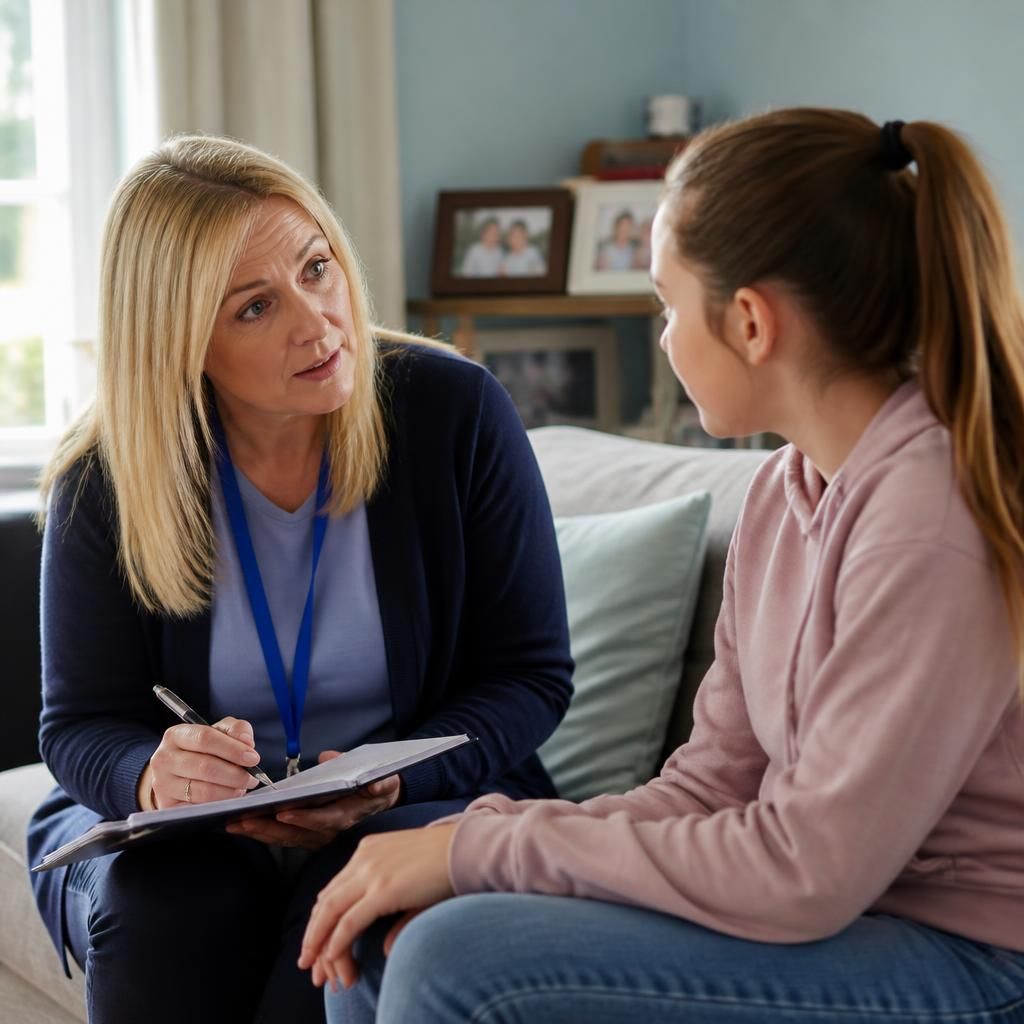
Monitoring can lead to specific requirements for the private fostering arrangement, rather than being limited to general welfare checks. If the local authority identifies a problem with the accommodation, daily care or arrangements for the child, it may set actions that the private foster carer must follow and check whether these have been completed.
If those requirements are not met, or the placement is no longer suitable, the local authority can consider stronger protective measures, including preventing the arrangement from continuing. This ensures that monitoring remains an active safeguarding process and that concerns are addressed before they place the child at greater risk.
Get guidance on private fostering arrangements
If you are unsure whether an arrangement meets the private fostering definition or what to do next, contact our team for clear guidance. We can help you understand the notification process and the responsibilities involved.