
Does a foster care house need a spare bedroom?
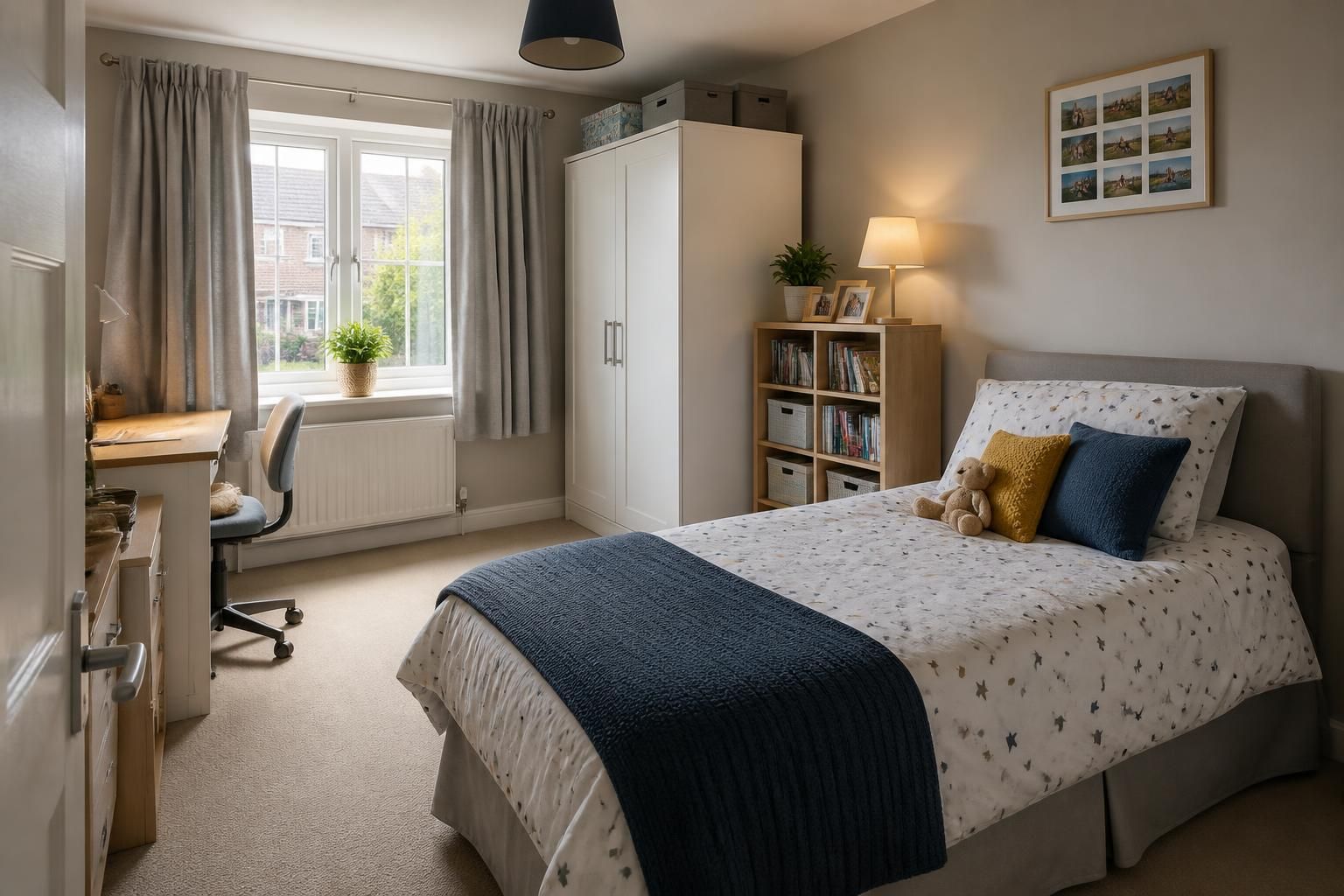
In most cases, yes: a foster child needs their own suitable bedroom, rather than sleeping in a living room or sharing with the foster carer’s children. The room will be assessed for adequate space, privacy, safety and furnishings, although approved arrangements can vary for sibling groups or very young children.
Partnering with an
Ofsted Outstanding Provider
A bedroom used for fostering must be available as the child’s regular sleeping and personal space. It does not usually need to be newly built or specially furnished, but it must be suitable for the child’s age, needs and proposed placement, and remain available throughout the placement.
What counts as a suitable bedroom? The fostering service will assess whether the room provides enough usable space for sleeping, dressing, storing belongings and having some personal privacy. It should normally have suitable ventilation, heating, lighting and access, with furniture that is safe and appropriate for the child. The room should not be overcrowded with other household items or used in a way that prevents the child from treating it as their own space.
A bedroom may be a spare room that has previously been used for guests or as a study, but it must be made available for fostering. A desk, wardrobe or other furniture may be acceptable if it leaves sufficient space and does not compromise privacy or safety. The assessing social worker may ask for changes before approval, such as removing unsafe furniture, improving storage or making the room easier for a child to use independently.
Does the bedroom need to be a particular size? There is no single room size that applies to every fostering situation. Suitability is considered in context, including the child’s age, mobility, personal belongings and any additional needs. A room that may be suitable for a younger child might not provide enough practical space for an older child with more equipment or possessions. The assessment also considers the size and layout of the rest of the home, rather than looking at the bedroom in isolation.
The room should be a proper bedroom rather than a living room, dining area or space that has to be cleared away each night. If a loft conversion, annexe or other converted area is being considered, the fostering service may need to check that it is legally usable as sleeping accommodation and that access, ventilation, heating and fire safety are appropriate.
Can a foster child share a bedroom? Bedroom sharing is considered carefully and is not automatically approved. It may be possible in particular circumstances, such as an assessed arrangement for siblings or for very young children, but the decision depends on the children’s ages, relationships, needs and individual risk assessments. Children should not be expected to share simply because there is limited space.
Foster children should not normally share a bedroom with the foster carers’ own children. Any proposed sharing arrangement must take account of privacy, safeguarding, sleep routines and the impact on every child in the household. The placement plan should explain where each child will sleep and identify any arrangements that need to be reviewed.
What does the bedroom assessment involve? During the fostering assessment, the social worker will look at the room and the home’s general suitability. They may consider:
- whether the bedroom is permanently available to the foster child;
- whether there is enough space for safe movement and personal belongings;
- the condition and stability of beds, wardrobes and other furniture;
- privacy, including the position of the room and arrangements for entering it;
- fire precautions, escape routes, alarms and access to the rest of the house;
- any risks linked to stairs, windows, heating, electrical equipment or other features; and
- whether the room can meet the needs of a child with disabilities, medical equipment or particular sensory requirements.
The bedroom does not need to look like a model child’s room. What matters is that it is clean, safe, appropriately equipped and suitable for the child who may be placed there. Foster carers should avoid buying specialist equipment or making major alterations before discussing them with the fostering service, because requirements can differ according to the child’s needs.
What if the household changes? Room arrangements are reviewed if someone moves into or out of the household, a child’s needs change, another child is placed, or the home is altered. Foster carers should tell their fostering service before making changes that could affect sleeping arrangements. A room that was suitable for one placement may need to be reassessed for another.
Having a spare bedroom is an important starting point, but it is not the only factor in approval. The assessment also covers the household, safeguarding arrangements, practical preparation, training and the home’s ability to provide consistent care. If the available room does not meet the requirements, the assessing team should explain what needs to change and whether a different type of placement could be considered.
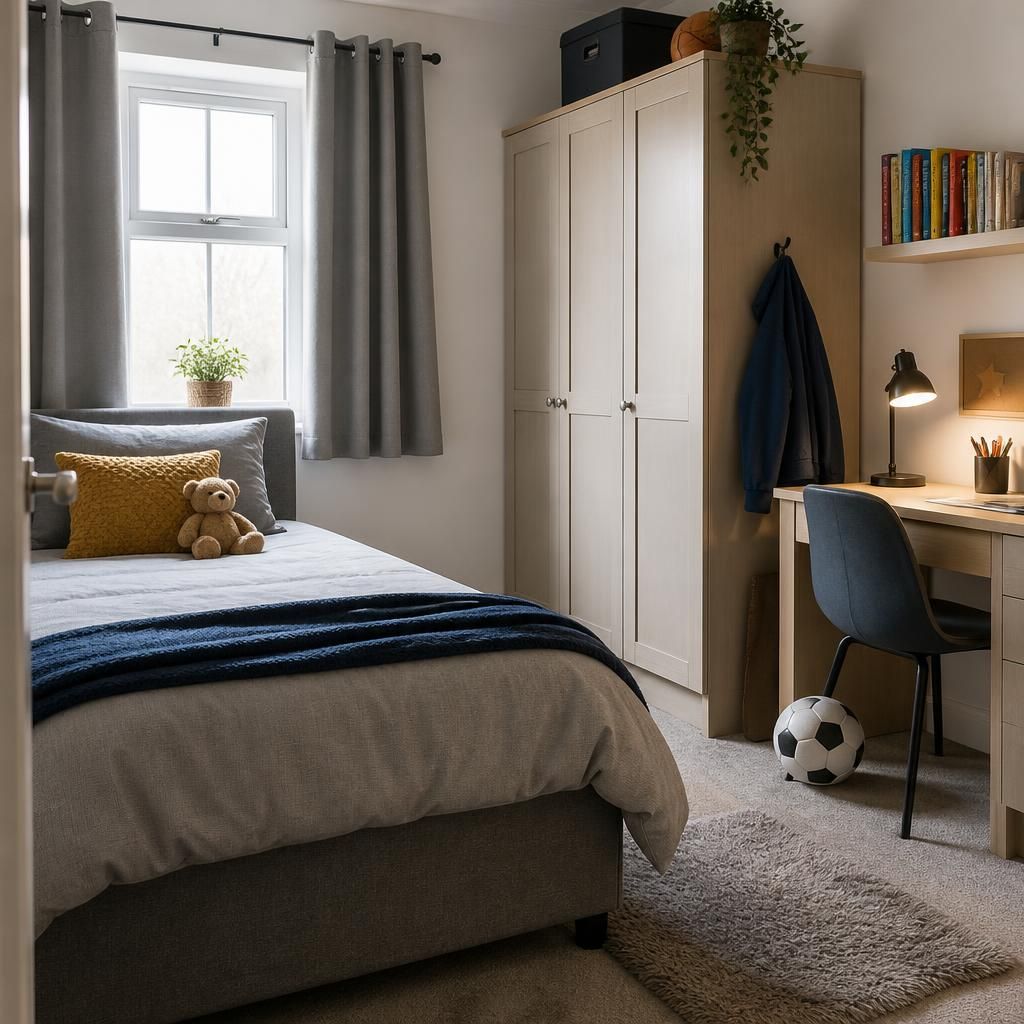
A spare bedroom is a requirement for most fostering arrangements, but having one does not mean that every placement will be suitable for your household. Placement decisions also consider whether the child’s needs, age and circumstances can be safely supported by the space and the people in the home.
This means a bedroom is assessed as part of the wider matching process, rather than as a standalone tick-box. If your circumstances change, or a proposed placement would require different sleeping arrangements, discuss this with your fostering service before agreeing to the placement. The aim is to ensure that the room and the household are appropriate for that particular child.
Find out whether your spare bedroom is suitable for fostering
If you are considering fostering, contact Become a Foster Family to discuss your home circumstances and ask about the next steps in the application process.