
How is privacy managed in foster care houses?
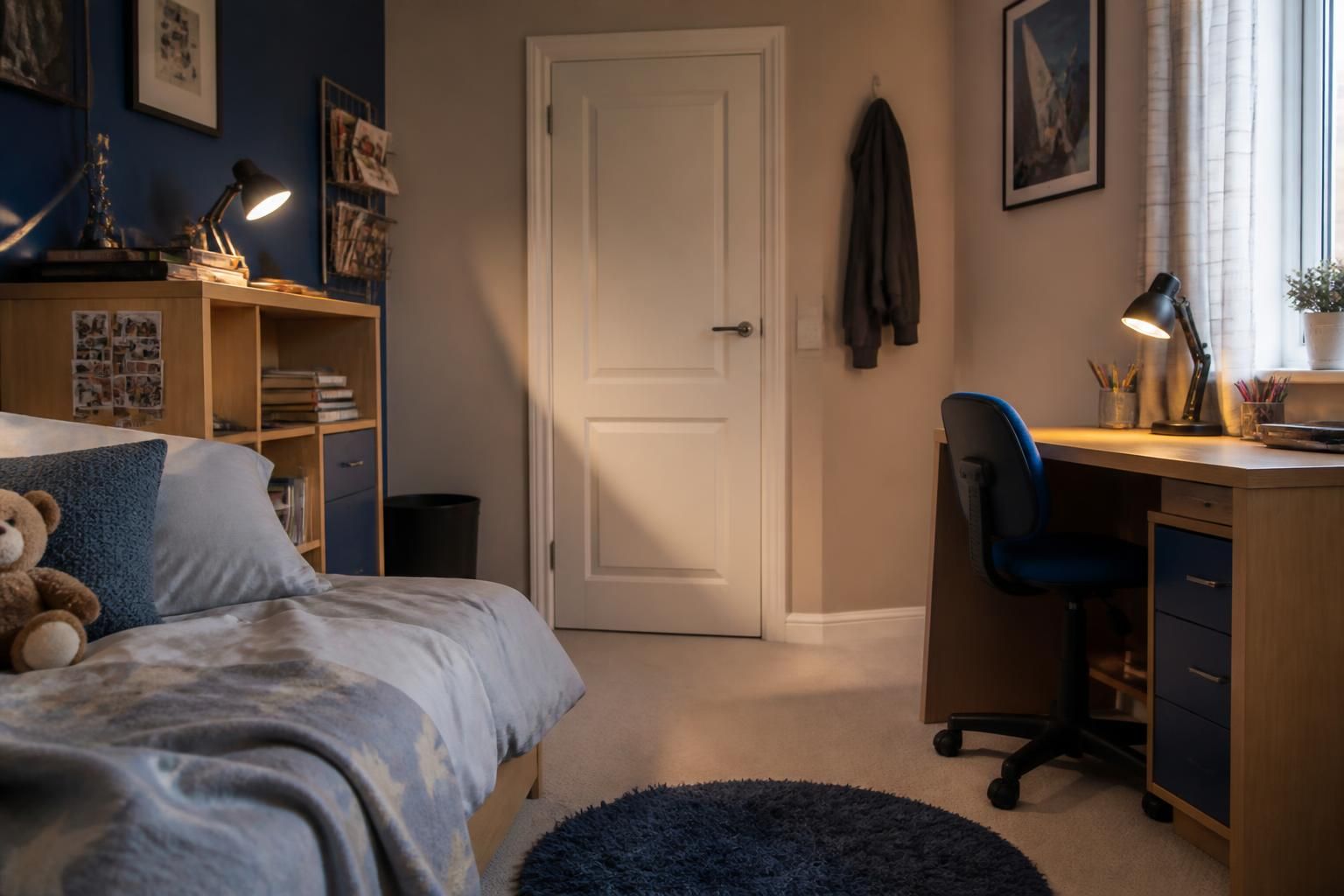
Privacy in foster care houses is managed through appropriate bedroom arrangements, clear household boundaries and respectful routines that give children and young people personal space. Foster carers also protect confidential information while balancing privacy with safeguarding responsibilities and the support needs of everyone in the home.
Partnering with an
Ofsted Outstanding Provider
Privacy in foster care houses is managed through proportionate safeguarding practice: children are given as much personal privacy and control as is safe, while foster carers and professionals share information when it is necessary to protect the child or support their care. The arrangements should be agreed during assessment, explained clearly to the child and reviewed as their needs change.
Privacy is considered for everyone in the household. A child’s personal information, history, health details, education records and family circumstances should only be discussed with people who have a legitimate role in their care. Foster carers should avoid conversations about the child in public places or in front of visitors, and keep written records, reports and correspondence secure. Household members need to understand that confidentiality applies to them too.
Information may need to be shared with social workers, schools, health professionals, the fostering service or the child’s family. This is normally guided by the child’s care plan and relevant safeguarding duties. The purpose is not to disclose everything to everyone, but to make sure the right people have the information needed to make safe decisions. Children should receive an age-appropriate explanation of what information is shared and why, wherever this can be done safely.
Everyday household arrangements also help protect privacy. Foster carers should discuss practical expectations about:
- knocking before entering another person’s room and respecting closed doors;
- handling personal belongings, letters, devices and photographs;
- using bathrooms and shared areas considerately;
- having visitors, overnight guests and contractors in the home;
- taking part in family activities without making the child feel observed or displayed; and
- using telephones, messaging services, gaming platforms and social media.
Children in foster care should not be identified publicly as being in care. Foster carers should not post photographs, names, school details, locations or personal stories that could reveal a child’s identity. This includes information shared through private groups, as content can be copied or passed on. Any online contact or device use may need to be considered as part of the child’s individual risk assessment, particularly where there are concerns about exploitation, harmful contact or unwanted attention.
Privacy does not mean that a child is left without appropriate oversight. Foster carers may need to supervise activities, check arrangements or respond to risks involving self-harm, exploitation, missing episodes, unsafe contact or online activity. Any monitoring should be necessary, explained where possible and no more intrusive than the situation requires. The child’s social worker and fostering service can clarify what supervision is appropriate and record it in the care plan.
Contact with parents, relatives and other important people is another area where privacy needs careful planning. The child may need private communication or contact, but the arrangements must reflect court directions, the care plan and any identified safeguarding risks. Foster carers should not make informal changes to contact arrangements or pass on private information without guidance from the professionals responsible for the placement.
Children should be encouraged to express their views about privacy, including what makes them feel comfortable, who they trust and when they need help. Younger children may need adults to explain privacy using simple language. Older children and young people may want more independence with communication, friendships and personal decisions. Their wishes should be taken seriously, while adults continue to act on risks that the child may not recognise.
Foster carers also have a right to reasonable privacy. They should be given relevant information to care safely, but should not be expected to share unrelated personal details with a child or with people outside the professional network. Existing children and other household members should understand how their own privacy will be protected, particularly where fostering affects shared spaces, visitors or family routines.
Privacy arrangements are not fixed permanently. They can be reviewed through supervision, placement reviews, visits and discussions with the child, foster carers and other professionals. A change in age, behaviour, contact arrangements, health needs or safeguarding information may require the household to adjust its approach. If a child says their privacy has been breached, or a foster carer is unsure whether information can be shared, the concern should be raised promptly with the supervising social worker or the relevant social care professional.
Privacy also matters when a concern, complaint or allegation is raised about a foster placement. Details should be shared only with the people responsible for assessing and responding to the concern, rather than discussed casually with neighbours, visitors or other families. This protects the child, foster carers and everyone else in the household while the facts are considered.
Foster carers should follow the fostering service’s reporting procedures and avoid investigating concerns themselves or asking others for information. The supervising social worker or relevant social care professional can explain what may be recorded, who needs to be informed and how the household’s privacy will be protected during the process.
Ask about privacy in foster care houses
If you are considering fostering and have questions about privacy, contact Become a Foster Family to discuss your circumstances before deciding whether to apply.