
What safety standards apply in foster care houses?
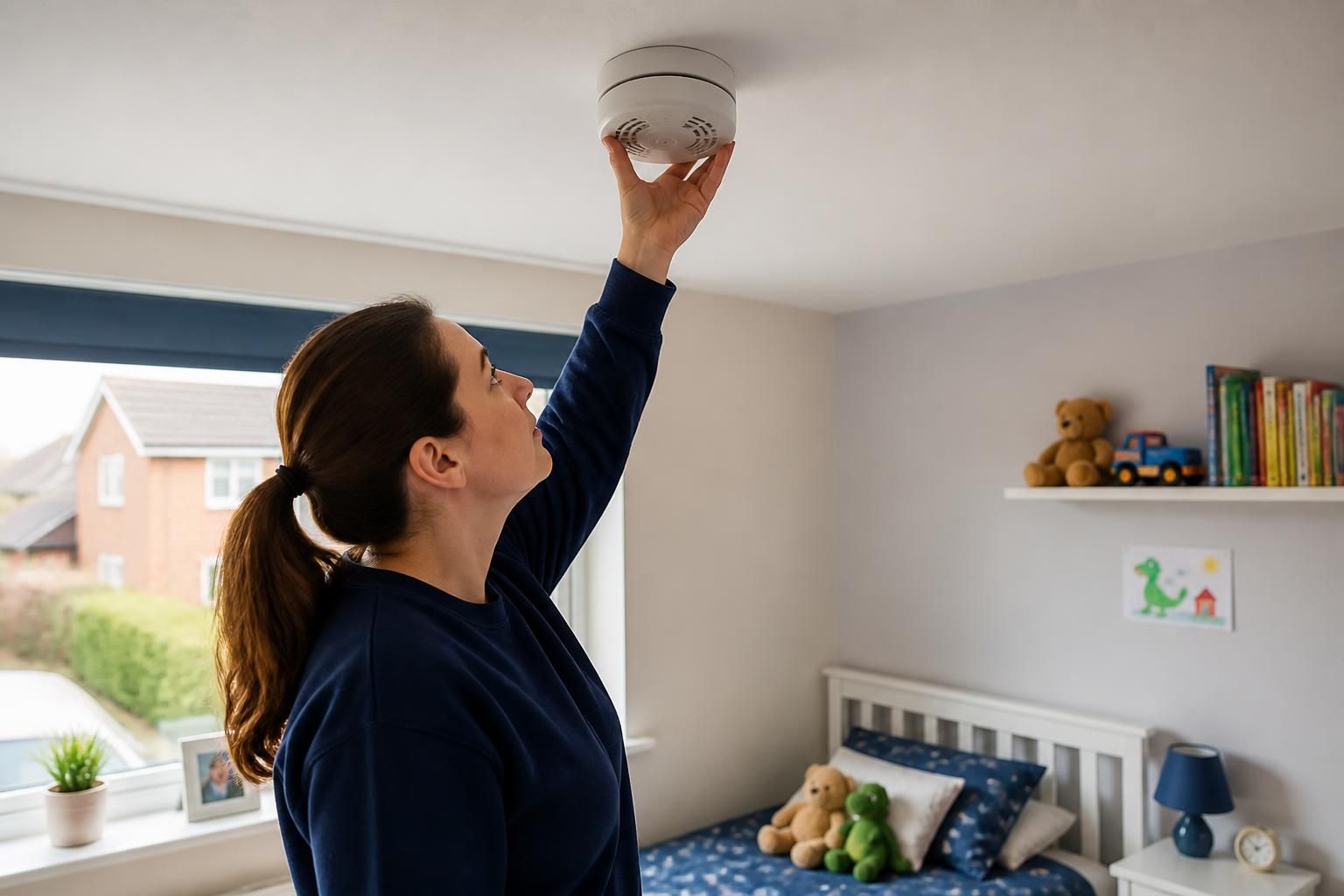
Foster care houses must provide a safe, suitable environment that meets fostering regulations and local safeguarding requirements. Assessment typically considers fire safety, gas and electrical safety, working smoke and carbon monoxide alarms, secure storage for hazardous items or medicines, safe sleeping arrangements, and any risks linked to stairs, windows, bathrooms or outdoor areas.
Partnering with an
Ofsted Outstanding Provider
Foster care house safety standards are the practical and safeguarding requirements used to ensure that a child’s home is suitable, well managed and able to meet their individual needs. They apply to the condition of the property, the behaviour of household members, day-to-day care arrangements and the way risks are identified, reduced and reviewed.
In England, fostering services assess homes against the relevant fostering regulations and the National Minimum Standards, alongside local safeguarding expectations. Approval is not based only on whether a property looks suitable. The assessment considers how the household operates and whether the proposed arrangements are appropriate for the age, development, history and needs of the children who may be placed there.
Safeguarding within the household
Everyone who lives in, regularly visits or provides care in the home must understand their responsibilities. Fostering assessments therefore consider household relationships, routines, boundaries and any circumstances that could affect a child’s welfare. Background checks and references are normally part of the assessment for relevant adults, while household members should receive age-appropriate information about confidentiality, respectful behaviour and what to do if they are worried about a child.
Foster carers are expected to follow safer caring guidance. This sets out appropriate boundaries around personal care, physical contact, bedrooms, bathrooms, visitors, transport and one-to-one time. The aim is to protect children and adults while allowing ordinary family life to continue. The exact arrangements may change according to a child’s age, experiences and assessed risks.
Safe routines and supervision
The fostering service will consider whether supervision arrangements match the child’s needs. This includes who is responsible for the child at different times, how school journeys and activities are managed, and what happens if a carer is unwell or unavailable. Children should not be left in situations that are unsuitable for their age or needs, and any agreed babysitting or respite arrangements must follow the fostering service’s procedures.
Practical safety expectations can also cover the use of vehicles, travel equipment, bicycles, leisure activities and equipment used in the home. Foster carers should follow manufacturer instructions and service policies, use suitable restraints where required and complete risk assessments for activities that carry additional hazards. A child’s care plan may set further restrictions or supervision requirements.
Health, medication and first aid
Foster carers need clear arrangements for responding to illness, injury and medical appointments. This includes knowing the child’s health information, recording medication and administering it only in line with the relevant instructions and permissions. Training may cover first aid, medication, safer caring, trauma and other areas relevant to the children likely to be placed.
Health and safety standards also include suitable hygiene, food preparation and storage, management of allergies, and arrangements for maintaining a child’s prescribed treatment. Any significant accident, injury, missing episode or safeguarding concern must be reported and recorded through the fostering service’s procedures.
Online and communication safety
Digital safety is part of assessing a modern fostering household. Carers should agree sensible rules for phones, gaming, social media, photography and internet access. They must protect a child’s personal information and avoid sharing photographs or identifying details without the necessary permission. Supervision and restrictions may be adapted where a child is vulnerable to exploitation, harmful content or unsafe contact.
Emergency planning and records
A suitable household should have clear plans for foreseeable emergencies, including who to contact, how essential information is accessed and how the child’s needs will be met if normal routines are disrupted. Foster carers are expected to keep relevant records accurately and share important information with the fostering service, social worker and other professionals in accordance with confidentiality and safeguarding requirements.
Standards are not checked only once. The home and fostering arrangements are reviewed through supervision, statutory reviews, visits and updated risk assessments. Changes such as building work, a new household member, a significant change in health, a new pet or a change in the child’s needs should be discussed with the fostering service because they may affect the approval conditions or support required.
Preparing for a safety assessment
- Read the fostering service’s safer caring and safeguarding guidance.
- Discuss household routines, visitors, privacy and supervision with everyone who lives at the property.
- List any circumstances or activities that may need an individual risk assessment.
- Organise relevant documents, service records and information about household members.
- Consider how the home would accommodate a child’s health, communication, cultural and developmental needs.
- Be open about potential concerns so that suitable safeguards can be agreed before approval.
There is no single layout or type of property that automatically meets every fostering requirement. The decision depends on the household, the home’s condition and the needs of the children being considered. The fostering team will explain the applicable standards, identify any actions needed and review whether the proposed arrangements remain safe throughout assessment and after approval.
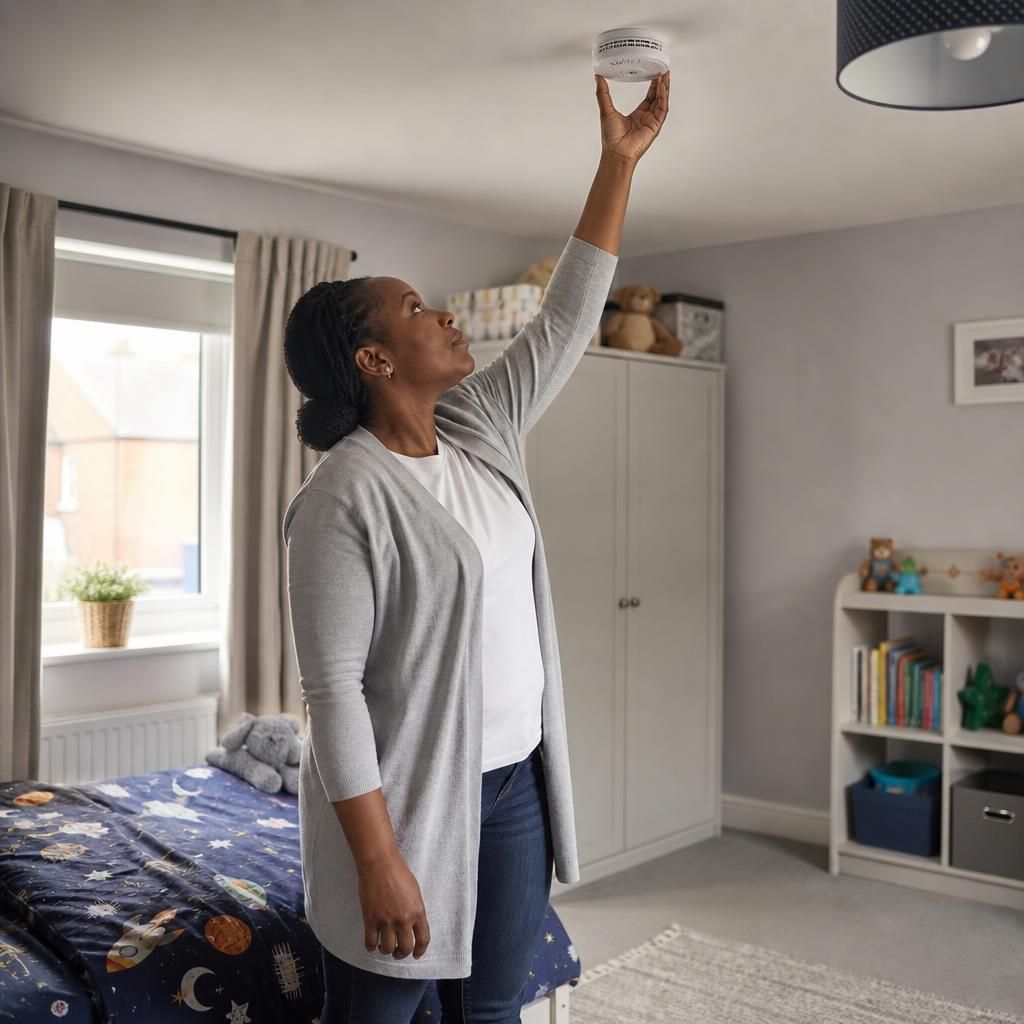
Not every safety recommendation has the same status. Some requirements apply to all fostering households, while others are agreed because of a particular child’s age, health, history or assessed risks. The fostering service should explain whether an action is required by regulation, set out in its own policy, or recommended for a specific placement.
If your home assessment identifies a concern, ask what needs to change, who is responsible and whether the issue must be resolved before approval or before a particular child is placed. Keep a written record of agreed actions and tell the fostering service about relevant changes to the property or household. This helps ensure that safety arrangements remain proportionate to the child’s needs rather than relying on a one-size-fits-all checklist.
Prepare your home for foster care safety standards
If you are considering fostering, contact our team to discuss your home and learn what the assessment process involves. You can ask questions about the safety standards relevant to your household before deciding whether to apply.