
Can families visit group homes for foster youth before placement?
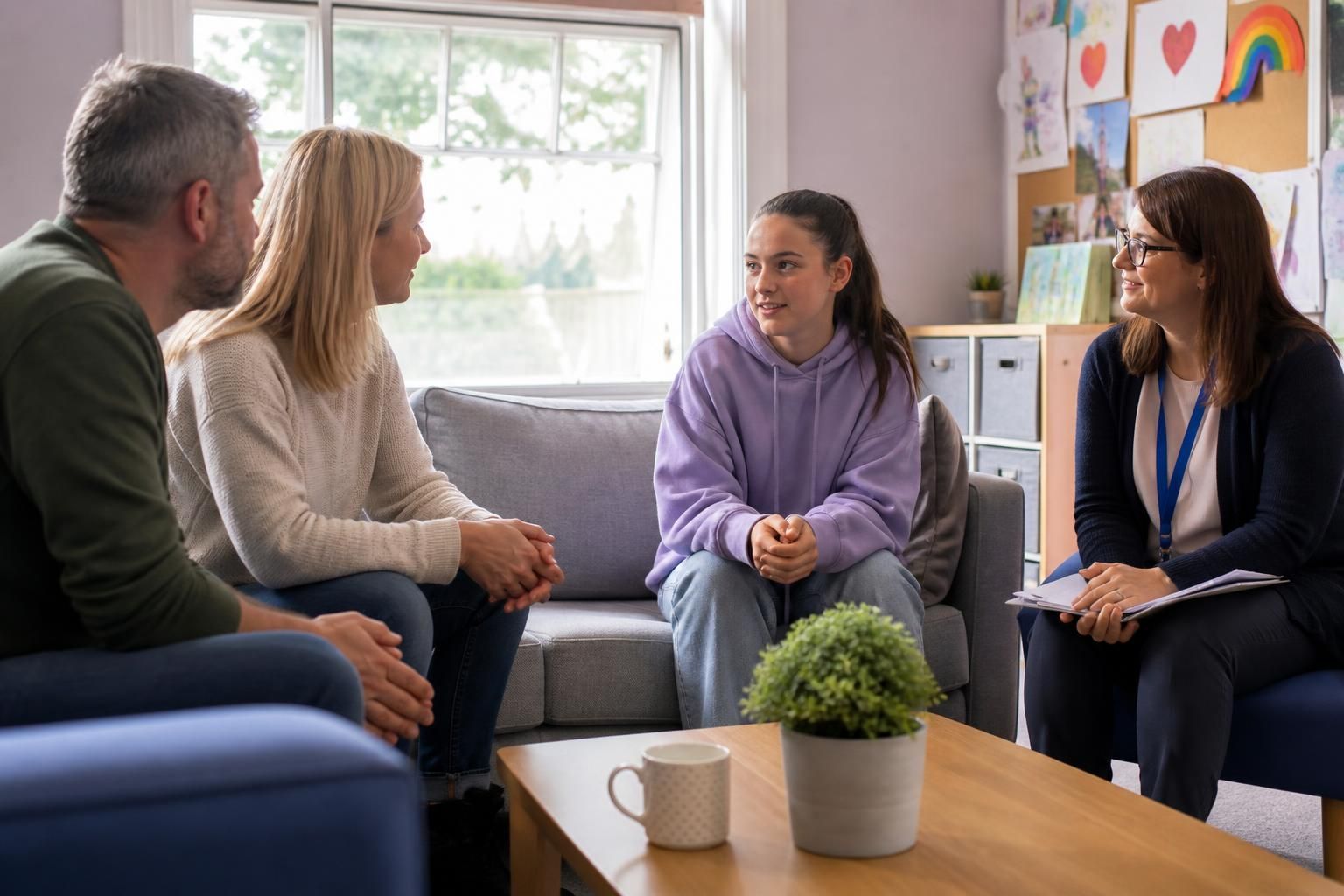
Families may be able to visit a group home before a foster placement, but visits are arranged on a case-by-case basis and depend on the young person’s needs, safety, privacy and the home’s agreement. The fostering team will explain what can be shared, who can attend and whether an in-person visit, virtual introduction or alternative meeting is most appropriate.
Partnering with an
Ofsted Outstanding Provider
Yes, a prospective foster family may be able to visit a group home before a young person moves into their care, particularly when the visit forms part of a planned transition. The purpose is to help the child and the family understand what will happen, share relevant information and decide whether further introductions are appropriate. It is not an informal open-house visit: the child’s welfare, consent, confidentiality and the safety of everyone living in the home must guide the arrangements.
The child’s social worker will usually coordinate with the group home and the fostering team. They will consider whether the young person understands the proposed visit, how they feel about meeting the family and whether seeing prospective carers in their current home could cause anxiety or confusion. A visit may be postponed or adapted if the child is distressed, if there are safeguarding concerns or if another resident’s privacy could be affected.
Before agreeing to a visit, the professionals involved may clarify:
- who will attend, such as the child, prospective foster carers, social workers and relevant staff;
- the purpose of the meeting and how long it is expected to last;
- what information can be shared with the family;
- which parts of the home can be seen without exposing other residents’ personal information;
- how the child can end the visit or take a break if it becomes uncomfortable; and
- what will happen afterwards, including how views will be recorded and considered.
During an agreed visit, the family may meet staff who know the young person and learn about the child’s usual routines, communication style, interests, education and important relationships. This information can help carers prepare for everyday life rather than relying only on written reports. It can also give the young person an opportunity to ask practical questions about the proposed move and to see that their views are being taken seriously.
Families should respect that a group home is also the private living space of other children. They should not expect to enter bedrooms, read documents, take photographs or ask questions about other residents. Staff may limit what can be shown or discussed to protect confidentiality. The family should also avoid making promises about the placement, contact arrangements or how quickly the move will happen, because those decisions depend on the agreed care plan.
Useful questions for the professionals arranging the visit include:
- What does the young person already know about the proposed fostering arrangement?
- What is likely to make the first meeting easier or more difficult?
- Are there routines, sensory needs, cultural requirements or communication preferences the family should understand?
- Who should the family contact if concerns arise after the visit?
- How will the young person’s feedback influence the next stage of planning?
- What introductions or preparation will take place before any move?
A visit should be treated as one part of the matching and transition process, not as a final decision by itself. The fostering team will continue to assess whether the proposed arrangement is suitable, taking account of the child’s needs, the family’s skills and experience, the household’s circumstances and any known risks. The child’s views are important, although a visit alone cannot determine the outcome.
Afterwards, the family may be asked to reflect on what they learned, what support they would need and whether they have any concerns. Honest feedback is helpful: raising a question does not mean the family is unwilling to foster, and identifying a possible difficulty early gives the professionals an opportunity to consider training, practical support or a different plan. Any decision about progressing to placement should be made through the proper social care and fostering processes, with the young person’s welfare remaining the central consideration.
When a visit is appropriate, careful preparation can make it more useful for everyone. Families should arrive ready to listen, use respectful language, avoid pressing the child for personal details and allow the child to set the pace of conversation. The most successful introductions are focused on building understanding and trust, rather than inspecting the home or expecting immediate certainty about the placement.
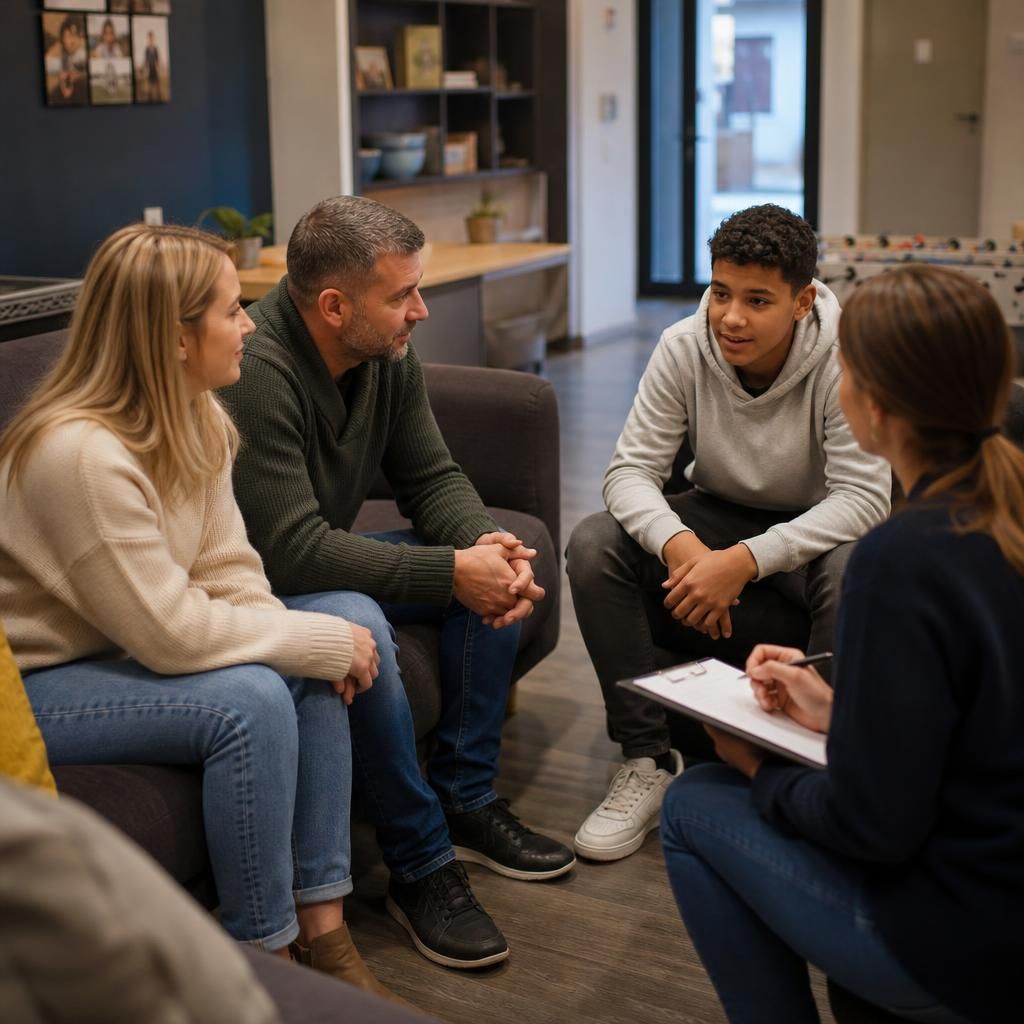
A visit to a group home is normally linked to a specific proposed placement, rather than being a general tour for families considering fostering. This means the visit will usually take place only after the relevant professionals have considered the young person’s needs and whether the family may be a suitable match. Families should not contact a group home independently or expect to view it before a planned introduction has been agreed.
If a visit cannot take place, the professionals can decide how to provide the information needed for planning. This might include a discussion with the home’s staff, a written overview of routines and expectations, or another agreed form of introduction. The aim is to give the family a realistic understanding of the proposed arrangement while protecting the young person’s confidentiality and avoiding unnecessary disruption to other residents.
Families can use the visit, or any alternative meeting, to consider practical compatibility. They may wish to reflect on whether they can support the young person’s routines, relationships, education and emotional needs, and identify any training or advice they would need before placement. Their observations should then be discussed with the fostering and social care professionals as part of the formal matching decision.
Ask about visiting a group home before placement
If you are considering fostering and want to understand how a proposed introduction would be arranged, speak to our fostering team. They can explain the assessment, preparation and support available for your circumstances.