
How is medication managed in group homes for foster youth?
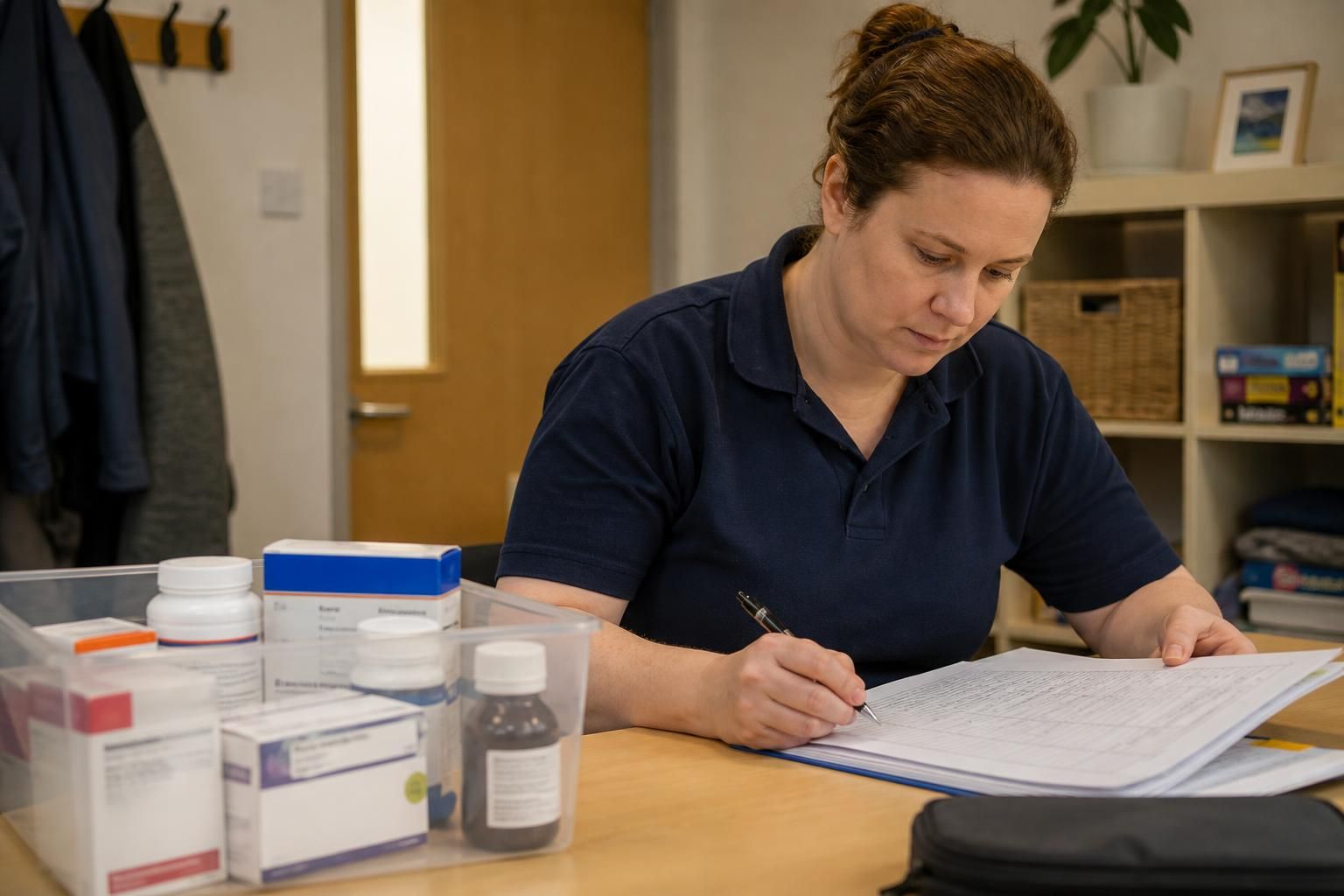
Medication in group homes for foster youth is managed through clear procedures covering safe storage, accurate recording, administration and monitoring. Trained staff follow the young person’s prescription and care plan, work with health professionals and report any errors, missed doses or concerns through safeguarding procedures.
Partnering with an
Ofsted Outstanding Provider
Medication in a group home for foster youth is managed as part of each young person’s health and care plan, with arrangements adapted to their age, understanding, health needs and ability to manage medicines safely. The aim is to support treatment while helping the young person develop appropriate independence and ensuring that decisions remain lawful, proportionate and focused on their welfare.
Each young person’s medication arrangements should set out:
- which medicines have been prescribed and what each one is for;
- the dose, timing, method of administration and any specific instructions;
- possible side effects or warning signs;
- what to do if a dose is refused, vomited, missed or given incorrectly;
- whether the young person can keep or take any medicine independently;
- who has authority to consent to treatment and when health professionals or social care staff must be contacted.
This information is considered alongside the young person’s placement plan and any relevant medical advice. It should be reviewed when a prescription changes, after a significant health event, or when the young person’s ability to manage medication develops.
Consent and decision-making are important parts of the process. A young person should usually be involved in decisions about their healthcare in a way that matches their age and understanding. Depending on the circumstances, consent may involve the young person, a parent, a local authority with parental responsibility or another person legally authorised to make the decision. Staff should not assume that a young person can consent to, or refuse, every form of treatment without considering their individual capacity and the relevant legal arrangements.
Where a young person refuses medication, staff should seek to understand the reason rather than treating refusal as simple non-compliance. They may be worried about side effects, embarrassed about taking medicine in front of peers, confused about the instructions or concerned about how the medication affects them. The response should follow the health plan and professional advice. Staff should not conceal medicine in food or alter the form of a medicine unless this has been properly authorised and assessed under the applicable procedures.
Some medicines require additional safeguards. Controlled drugs, medicines with a higher risk of misuse, and medicines that could be shared or traded may require tighter access arrangements and additional checks. This is particularly relevant in a shared home, where other young people may have their own prescriptions or may be vulnerable to accidental or intentional exposure. Staff should also consider medicines brought into the home after a family visit, hospital appointment or change of placement, so that their origin and instructions are clear before they are used.
Young people may gradually learn to manage some or all of their medication. This is not an automatic change based only on age. Staff and health professionals should consider the young person’s understanding, memory, physical ability, emotional wellbeing, history of unsafe use and the potential consequences of an error. Independence can be introduced in stages, such as discussing the prescription, using reminders, taking a dose with oversight and later managing agreed aspects with less direct supervision. The arrangement should be reviewed if circumstances change.
As-needed medication, sometimes called PRN medication, needs clear boundaries. The plan should explain the symptoms or situation for which it may be used, the minimum interval between doses, the maximum permitted amount and when medical advice is needed. Staff should record the reason it was offered and whether it helped, because frequent use or a change in effect may indicate that the treatment needs professional review. Medication must not be used as a punishment, reward, substitute for emotional support or a way of managing behaviour when another safeguarding response is required.
Medication should be handled in a way that respects dignity and privacy. A young person should not be singled out unnecessarily or made to disclose personal health information to other residents. At the same time, staff need enough information to respond safely to allergies, interactions, missed treatment or deterioration in health. Information should be shared on a need-to-know basis and in accordance with confidentiality and data protection duties.
When a young person moves into or leaves the home, medication information should be transferred carefully. The receiving adults need an up-to-date list, clear instructions, relevant prescribing information and details of recent concerns. Unused or discontinued medicines should be dealt with through the appropriate pharmacy or healthcare process rather than passed to another young person or disposed of casually. Good handover reduces the risk of duplicated treatment, gaps in treatment or confusion between an old and current prescription.
Medication management is also linked to safeguarding. Repeated requests for extra medication, unexplained tablets, suspected sharing, missing supplies, sudden changes in behaviour or concerns about side effects should be treated as potential welfare issues. Staff should follow the home’s reporting and escalation procedures and seek clinical advice where necessary. An urgent medical response may be needed if a young person takes the wrong medicine, takes too much, has a serious reaction or shows signs of poisoning.
Good practice includes regular checks of the overall arrangement, not just the individual dose. The home should consider whether staff remain suitably trained, whether instructions are still current, whether the young person understands their treatment and whether the medicine continues to meet a clinical need. Reviews should involve the relevant professionals and the young person wherever appropriate. This helps ensure medication supports health and development without unnecessarily restricting the young person’s privacy or independence.
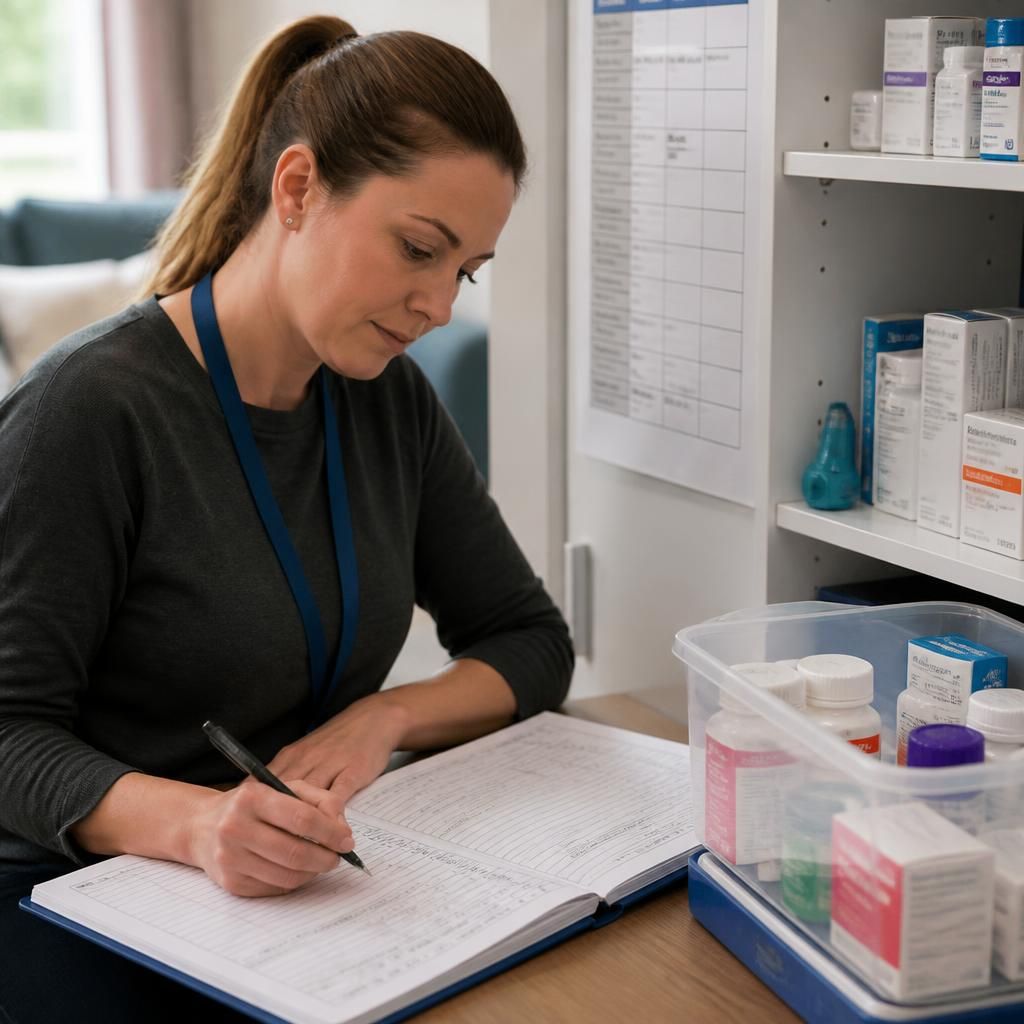
Medication management covers more than prescribed tablets. In a group home, over-the-counter pain relief, creams, inhalers, vitamins and other health products should also be checked and managed safely. Staff should confirm that a product is suitable for the individual young person before it is used, particularly where they already take prescribed medicines or have allergies.
These products should not be shared between residents, even if they appear identical or have been used safely before. The home should keep clear instructions about who may use them, how much may be taken or applied, and when advice from a pharmacist, GP or other healthcare professional is needed. This prevents informal treatment decisions and helps staff identify when a minor complaint may need further assessment.
Ask about medication support in foster care
If you are considering fostering and want to understand how medication responsibilities are handled, speak to Become A Foster Family about the training and support available. Your questions can be discussed as part of exploring whether fostering is right for you.