
How are family relationships supported in residential foster care?
Family relationships in residential foster care are supported through an individual plan that sets out safe, suitable contact with parents, siblings and other important people. Residential staff work with the child, family members and social workers to prepare visits or other communication, manage any risks and review arrangements as the child’s needs change.
Partnering with an
Ofsted Outstanding Provider
Family relationships in residential foster care are supported through planned, child-centred work that keeps important relationships safe, consistent and meaningful. The residential team considers the child’s wishes, needs and circumstances alongside information from the local authority, parents and other professionals. The aim is not simply to arrange visits, but to help the child maintain appropriate connections while living away from home.
The child’s care plan provides the framework. It should explain which relationships are important, what type of contact is suitable, who is responsible for making arrangements and how the plan will be monitored. The child’s social worker, residential staff and family members may contribute to this planning. Any court directions, safeguarding information or restrictions must be followed, and the arrangements should be explained to the child in language they can understand.
Contact can take different forms depending on the child’s age, wishes, safety and relationship with the person concerned. It may include:
- face-to-face time with parents, siblings or extended family;
- telephone or video calls;
- letters, cards, photographs or other agreed communication;
- shared activities that reflect the child’s interests;
- involvement in significant events, appointments or important decisions where appropriate.
Arrangements are adapted to the individual child rather than applied as a standard package. A younger child may need shorter, more frequent contact, while an older child may have a greater say in how they communicate. Sibling relationships may require particular attention where brothers and sisters live in different homes. Contact with grandparents, a former carer or another trusted adult may also be important if that relationship is safe and beneficial.
Residential staff help contact feel predictable and manageable. They can prepare the child beforehand, explain what is going to happen, support practical arrangements and give the child time to process the experience afterwards. This may involve helping a child identify questions they want to ask, deciding what belongings or information can be shared, or finding a calm way to talk about feelings following a visit or call.
Some contact will need to be supported or supervised. This may be necessary where there are safeguarding concerns, a difficult family history, previous conflict, or uncertainty about how the child or adult may respond. Supervision should be proportionate and reviewed rather than treated as a permanent assumption. Staff may observe interactions, help keep conversations appropriate and record relevant concerns, while avoiding unnecessary interference in the relationship.
Family involvement also extends beyond contact sessions. Subject to the care plan and confidentiality requirements, parents and relatives may be included in discussions about routines, preferences, health information, education and cultural or religious practices. Sharing appropriate information can help adults respond consistently to the child and reduce misunderstandings between the residential setting and the family.
Children may experience mixed emotions about family contact. They might feel pleased, anxious, loyal to more than one person, angry about past events or disappointed when plans change. Residential staff should listen without pressuring the child to take sides. The child’s views should be recorded and taken seriously, including when they want more, less or a different kind of contact. A child’s preference is important, but decisions must also consider safety, welfare and the legal framework.
Adults may need support to understand the impact of trauma, separation or previous instability on the child’s behaviour. A child who appears withdrawn before a visit or unsettled afterwards may be communicating distress rather than rejecting their family. Staff can share observations with the social worker and consider whether the timing, setting, length or format of contact needs to change. Any significant concerns should be addressed through the proper safeguarding and review processes.
Clear boundaries protect everyone involved. Residential staff should not make private promises about contact, pass on unverified information or allow arrangements to develop outside the agreed plan. Personal information, photographs and online communication need careful handling. Families should know who to contact about practical problems, while the child should have an appropriate opportunity to raise worries privately.
Relationships are reviewed as circumstances change. Reviews may consider the child’s development, expressed wishes, behaviour before and after contact, the quality of interactions, changes in family circumstances and any new professional or legal information. A plan may therefore move from closely supported contact to a less formal arrangement, or be reduced or paused where this is necessary for the child’s welfare. Changes should be explained clearly and recorded, with consideration given to how the child can be supported through them.
Supporting family relationships does not always mean working towards a return home. In some cases, the purpose is to preserve a safe connection, help the child understand their history, maintain sibling bonds or support a different long-term plan. Residential care should provide stability while recognising the child’s continuing identity and relationships. Effective support combines safeguarding with respect for the child’s voice, family connections and right to have decisions reviewed as their needs develop.

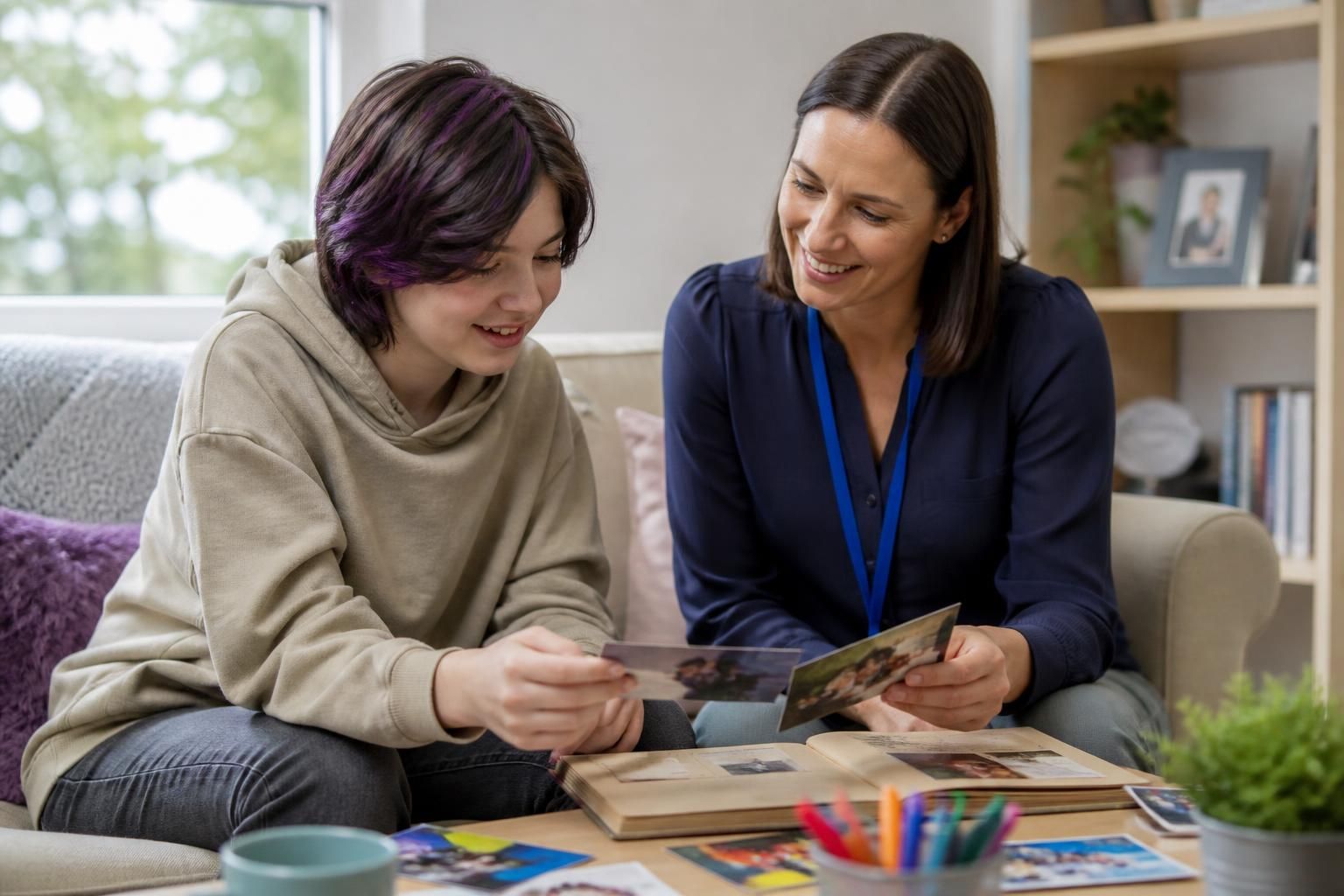
When face-to-face contact is limited or cannot take place, family relationship support can include helping the child understand and retain a safe sense of their family history. Residential staff may help them talk about important people, keep approved photographs or letters, and record memories or information the child wants to preserve. This work should follow the care plan and avoid sharing material that could create risk or breach someone’s privacy.
The child should be able to decide what they want to discuss and how they want their family connections represented in everyday life. Staff can use age-appropriate conversations and life-story activities to help the child make sense of separation without asking them to reject family members or choose between adults. Any new information or concerns arising from this work should be shared through the agreed professional arrangements.
Find out more about residential foster care
Read the wider Residential Foster Care Guide to understand how this type of fostering works, including training, practical requirements and the application process. When you are ready, contact Become a Foster Family to discuss whether residential foster care could suit your circumstances.