
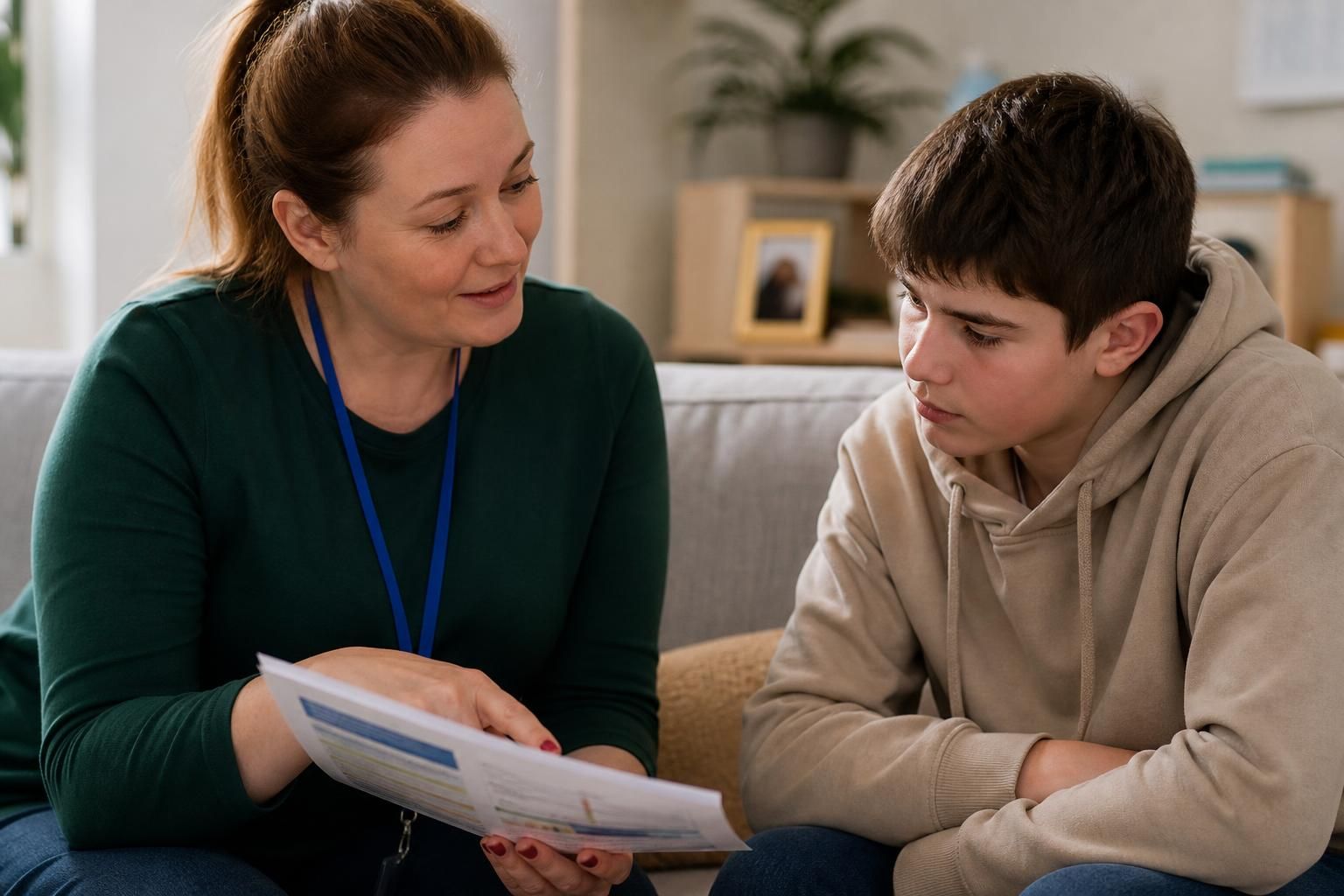
How are health needs managed in residential foster care?
Health needs in residential foster care are managed through an individualised plan covering each child’s physical, emotional and developmental wellbeing. Residential staff work with health professionals, the child and their wider support network to arrange assessments, appointments, treatment and ongoing monitoring.
Partnering with an
Ofsted Outstanding Provider
Health needs in residential foster care are managed through coordinated day-to-day care, professional assessments and regular reviews. The residential team follows the child’s care and health plans, records relevant information, arranges appointments and makes sure physical and emotional concerns are passed to the appropriate health professional.
Health information is gathered at the start of a placement. This may include the child’s medical history, current diagnoses, allergies, immunisation record, prescribed medicines, dietary requirements, previous treatments and any known mental health or developmental needs. Information is shared on a need-to-know basis with the people responsible for the child’s care. The child should also be helped to understand their own health information in a way that is suitable for their age and level of understanding.
Children in care usually have health assessments arranged through the local authority. These assessments help identify unmet needs and determine what follow-up is required. The resulting recommendations may cover routine healthcare, specialist referrals, therapy, medication, nutrition, sleep, sensory needs or support with emotional wellbeing. Plans should be reviewed when the child’s circumstances change and as new information becomes available.
Routine healthcare is part of everyday care. Residential carers may help a child register with, or attend appointments with, a GP, dentist, optician or other practitioner. They can support practical tasks such as remembering appointments, following treatment instructions, maintaining personal hygiene and developing healthy eating and sleeping habits. The level of support will depend on the child’s age, abilities, wishes and existing care arrangements.
Medication must be handled safely and in line with the provider’s procedures. This normally includes secure storage, clear instructions, accurate records and checks that the correct medicine and dose are given to the correct child. Staff should never change or stop prescribed medication without appropriate medical advice. Any side effects, missed doses or concerns should be recorded and reported to the relevant professional or responsible authority.
Emotional and mental health needs are considered alongside physical health. Many children entering care have experienced loss, neglect, abuse, disrupted relationships or other stressful events. A residential team may monitor changes in mood, behaviour, sleep, appetite, concentration and relationships, while recognising that behaviour can communicate distress. Where appropriate, the child may be referred to specialist mental health, psychological or therapeutic services. Support should be explained clearly and offered in a way that respects the child’s views and avoids treating normal reactions to difficult experiences as a diagnosis.
Some children need additional support with developmental, neurological, sensory or communication needs. This could involve input from paediatricians, occupational therapists, speech and language therapists, physiotherapists, psychologists or other specialists. Recommendations from these professionals should be reflected in practical routines, communication methods, environmental adjustments and risk management within the home.
The child’s voice is an important part of health planning. Children should be given opportunities to talk about pain, worries, medication, appointments and the type of support they find helpful. Younger children may communicate through play, drawings or changes in behaviour, while older children may want greater privacy and control over discussions. Staff must balance confidentiality with their responsibility to share information where there is a safeguarding, medical or legal reason to do so.
Residential carers also watch for signs that a child’s health is deteriorating or that an existing condition is not being managed effectively. Concerns might include unexplained injuries, persistent tiredness, withdrawal, repeated headaches, changes in eating, self-harm, substance use or a sudden change in behaviour. These concerns should be recorded factually and escalated through the agreed care and safeguarding procedures rather than dismissed or managed informally.
When a health concern is urgent, staff follow emergency procedures and seek immediate clinical help. For less urgent concerns, they contact the appropriate healthcare professional and inform the child’s social worker or other members of the care team according to the child’s plan. The response will depend on the nature of the concern, the child’s medical history and any instructions already provided by professionals.
Good communication between professionals is essential. Residential staff may work with the child’s social worker, GP, school or college, health visitor, nurse, dentist, mental health practitioner and birth family, where sharing information is appropriate. Reviews provide an opportunity to check whether appointments have taken place, treatment is helping, referrals are progressing and the child’s health needs have changed.
For someone considering residential foster care, it is important to ask how the provider manages medical records, medication, consent, transport to appointments, healthcare training and mental health referrals. You should also understand what information will be available before a child moves in, how staff are supported when needs are complex and who to contact when a health plan is unclear. These arrangements help ensure health care is consistent, accountable and suited to the individual child.

Residential foster care providers should match staff training to each child’s identified medical needs. Where a child requires support with a complex condition or a clinical task, staff need clear instructions from the relevant health professional and must understand when to seek further advice. They should not undertake tasks beyond their training or authority.
Competence should be checked before staff provide care independently, with refresher training when procedures change or a child’s needs develop. A written protocol can set out the child’s usual presentation, required equipment, warning signs and escalation arrangements. This gives the residential team a consistent way to manage health needs while keeping care safe, appropriate and centred on the child.
Ask about managing health needs in residential foster care
If you are considering residential foster care, ask our fostering team how health information, consent and care responsibilities are managed before applying. Their guidance can help you identify the questions to raise about training and support for individual medical needs.