
How is a child’s cultural identity supported in residential foster care?
A child’s cultural identity is supported in residential foster care through an individual care plan that records their background, beliefs, language, traditions, dietary needs and important relationships. Staff then help the child maintain these connections through culturally appropriate routines, food, celebrations, personal care and links with family, community or faith groups.
Partnering with an
Ofsted Outstanding Provider
In residential foster care, cultural identity is supported as an ongoing part of safeguarding, care planning and daily practice. The aim is to ensure that a child’s race, ethnicity, nationality, religion, language, family history, disability, gender identity and other aspects of identity are understood, respected and reflected in the care they receive.
This begins with listening to the child and gathering accurate information from the child, their family, social worker and other relevant professionals. The child’s views should be given appropriate weight for their age and understanding. They should be able to explain what matters to them, how they describe their identity and which practices or relationships help them feel connected and secure.
Staff should avoid making assumptions based on appearance, records or a broad description of someone’s background. Cultural identity is personal, and children from the same ethnic, religious or national group may have very different experiences and preferences. Information should therefore be checked with the child and reviewed as their circumstances, confidence and understanding develop.
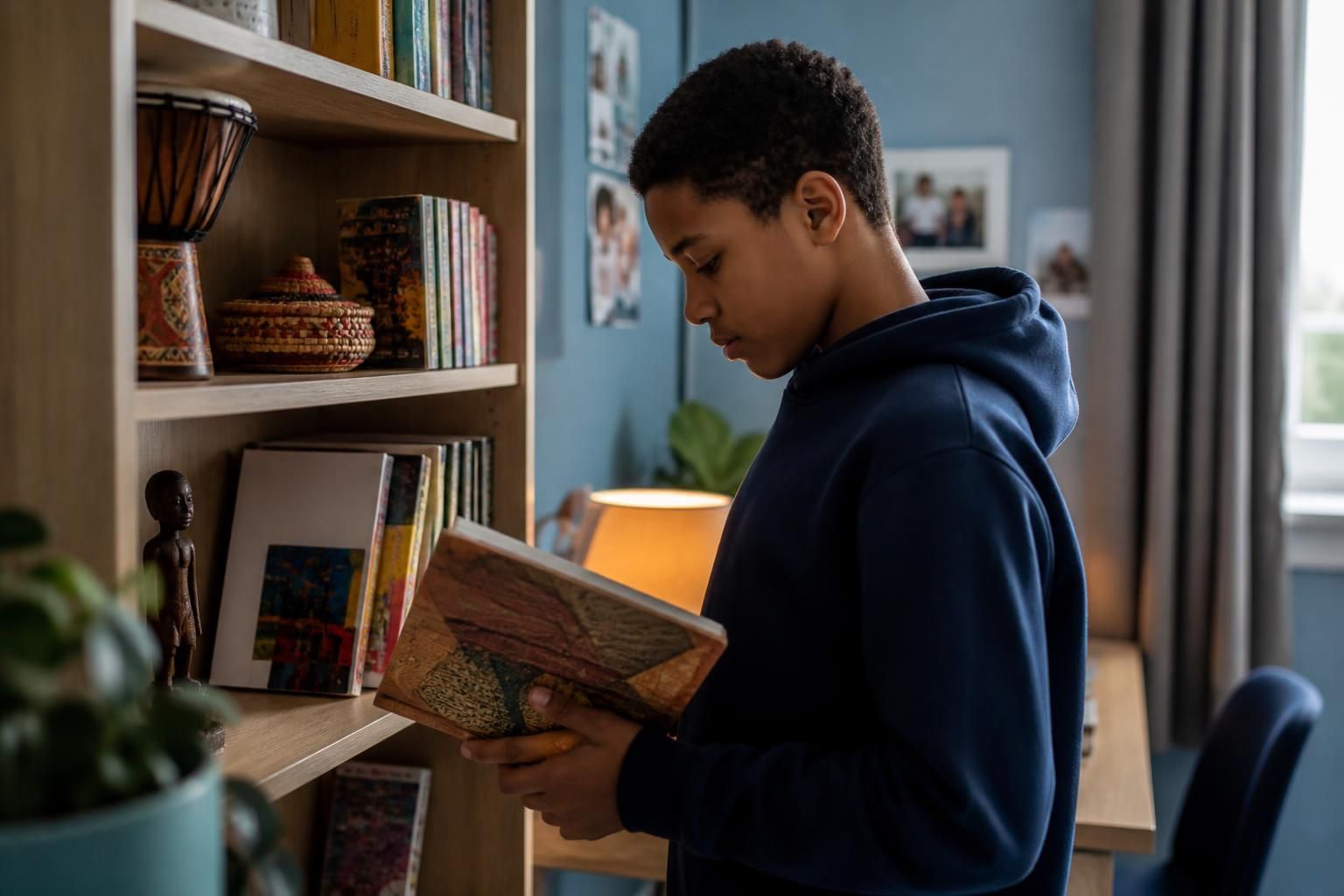
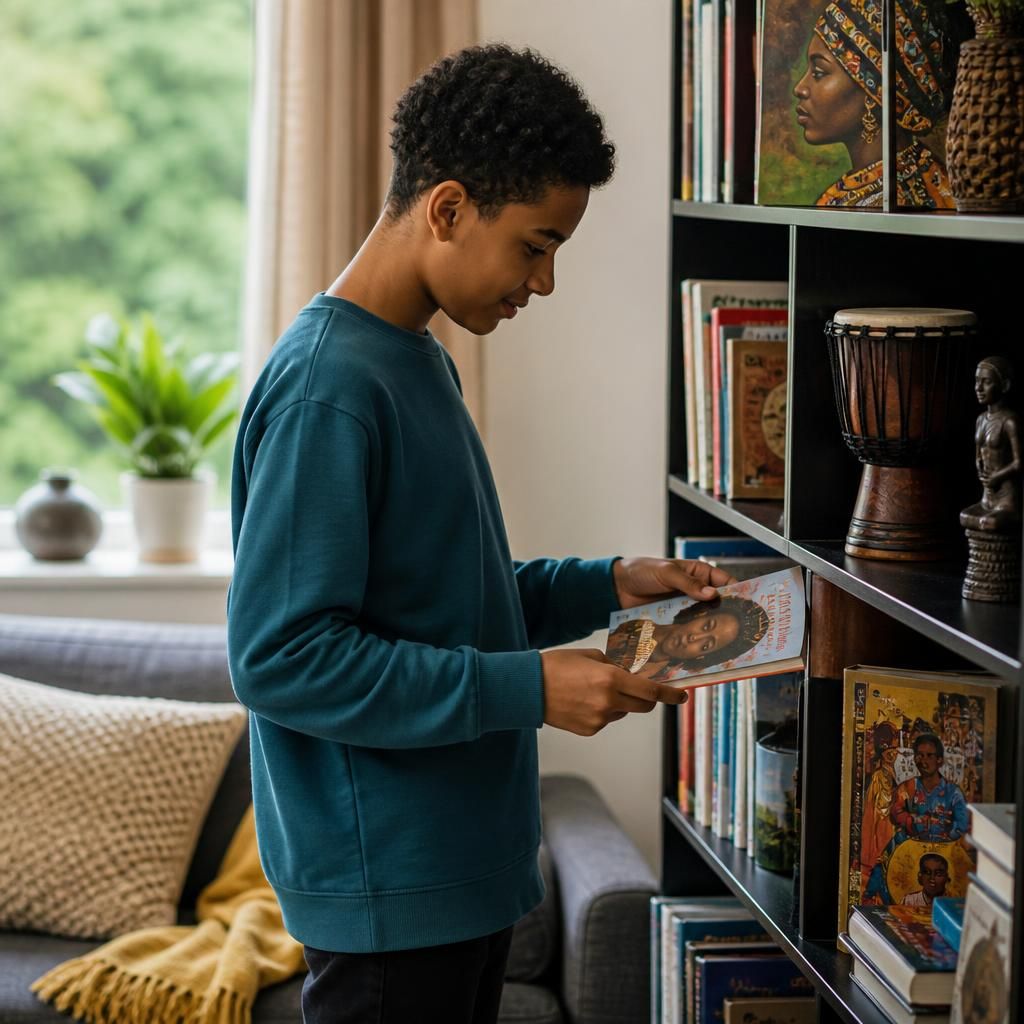
- Representation in the home: Books, music, films, artwork, clothing and activities can help reflect the child’s identity without reducing it to occasional themed events.
- Respectful communication: Staff should use the child’s preferred name and pronunciation, understand any language or communication needs and arrange suitable interpreting support where necessary.
- Anti-discriminatory care: Racist, prejudicial or culturally insensitive behaviour should be challenged promptly. Children need clear reassurance that concerns will be taken seriously and recorded appropriately.
- Personal expression: Hair care, skincare, clothing and appearance should be managed in a way that respects the child’s cultural and personal preferences, with specialist advice sought when staff need to develop their knowledge.
- Privacy and dignity: Information about a child’s background, beliefs or family circumstances should be shared only with people who need it to provide safe and appropriate care.
Cultural identity can also be affected by separation from parents, siblings and wider family. Contact arrangements should be considered alongside identity needs, particularly where relatives can help the child understand family history, language, customs or community links. Any contact must remain consistent with the child’s care plan, safeguarding requirements and court or social care decisions.
Children may have more than one cultural, racial or religious identity, or may feel uncertain about how they identify. A residential setting should give them space to explore this without pressure to choose one part of their background over another. Staff can help by asking open questions, acknowledging changes in the child’s views and avoiding language that suggests one identity is more valid than another.
Staff training is important because good intentions do not replace practical knowledge. Teams may need guidance on unconscious bias, racism, faith and belief, culturally appropriate care, identity development and the impact of discrimination. Where a child has a specific cultural, religious or communication need, the team should seek advice from knowledgeable professionals, family members or appropriate community resources rather than relying on guesswork.
Support should be monitored through regular care-plan reviews, key-work sessions and conversations with the child. The review should consider whether the child feels understood, whether their identity is being respected in practice and whether new needs have emerged. If the child raises a concern, staff should respond, record the action taken and involve the relevant professionals when further support is needed.
For a child moving between placements or preparing to leave care, preserving identity remains important. Records, photographs, keepsakes, family information and the child’s own account of their background can help maintain continuity. Planning should also consider how the child will continue accessing important cultural, faith, community or family connections after the placement changes.
Effective support is therefore more than providing culturally familiar items or marking particular celebrations. It involves listening to the child, challenging discrimination, involving significant people appropriately and making identity part of everyday decisions, safeguarding work and longer-term planning.
Cultural identity should be considered before a child moves into residential foster care, not only after the placement begins. The placing authority and care team should identify the child’s cultural, religious, linguistic and community needs, then assess whether the setting has the knowledge, resources and local connections to meet them safely and consistently.
This planning can influence the choice of placement, the people involved in the child’s care and the practical arrangements needed from the first day. Where a setting needs additional expertise, staff should identify this in advance and agree how it will be provided. This helps prevent a child’s identity becoming an afterthought and supports continuity during what may already be a significant change.
Learn more about supporting cultural identity in residential foster care
If you are considering residential foster care, speak to our team about how a child’s cultural identity is assessed and supported throughout the placement process. We can help you understand the training, planning and ongoing support involved.