

Can I become a respite foster carer if I live alone?
Yes, you can become a respite foster carer if you live alone. Your assessment will consider whether you can provide a safe, suitable home, meet a child’s needs during planned stays and identify reliable support for you when needed.
Partnering with an
Ofsted Outstanding Provider
Living alone does not prevent you from becoming a respite foster carer. The assessment focuses on whether you can offer a stable, safe and suitable home, manage the practical responsibilities of caring for a child, and access dependable support when you need it.
Being a single-person household can work well for respite fostering. Some children benefit from a calm household with one consistent adult, particularly when they are staying away from their usual home for a short period. However, respite fostering still involves the same safeguarding responsibilities as other types of fostering. You will need to show that you can respond appropriately to a child’s behaviour, health needs, routines and emotional wellbeing during their stay.
During your assessment, your fostering service will look at how you would manage everyday situations on your own, including:
- Preparing meals, supervising activities and maintaining household routines
- Responding if a child becomes distressed, unwell or unsettled
- Following agreed care plans, safer caring arrangements and contact instructions
- Communicating with the child’s social worker, family and other professionals where required
- Managing appointments, school-related arrangements or transport that form part of the placement plan
- Balancing fostering with work, personal commitments and your own wellbeing
You will also be asked about the people you can rely on. This might include relatives, friends or trusted members of your community who can provide practical help or emotional support. They must be suitable and understand the importance of confidentiality and safeguarding. A support network does not replace your responsibility as the approved foster carer, but it can be important when you need advice, an occasional practical hand or someone to talk to.
Your home will need to be assessed for safety and suitability. This includes considering whether there is appropriate sleeping accommodation, enough space for the child’s belongings and privacy, and a household setup that can meet the needs of the children you may be asked to care for. A home visit forms part of the assessment, alongside checks on your health, background and circumstances.
Respite fostering may offer greater flexibility than caring for a child on a full-time basis, but placements still need careful planning. You may be asked to provide care for an agreed period, at regular intervals or when another foster family needs planned support. The children referred to you will depend on your assessment, approval and the type of needs you can safely meet. You can discuss which ages, behaviours and circumstances are appropriate for you rather than accepting every referral.
Before approval, you will normally complete preparation training and take part in a detailed assessment. This gives you the opportunity to learn about safeguarding, trauma, attachment, behaviour, recording information and working with the wider professional network. It also allows you and the assessing team to consider honestly whether fostering fits your circumstances as someone living alone.
Once approved, you should receive ongoing guidance, supervision and access to training. Financial support is also provided for approved fostering arrangements, although the amount depends on the placement and the organisation’s current scheme. Ask for the latest details before making financial plans.
The most useful preparation is to think through your regular routine and identify where additional help may be needed. Consider who could assist if you were ill, how you would manage work or appointments during a placement, and whether your home and lifestyle could accommodate a child’s needs. If you can demonstrate a realistic plan, reliable support and the capacity to provide consistent care, living alone is not in itself a barrier to respite fostering.
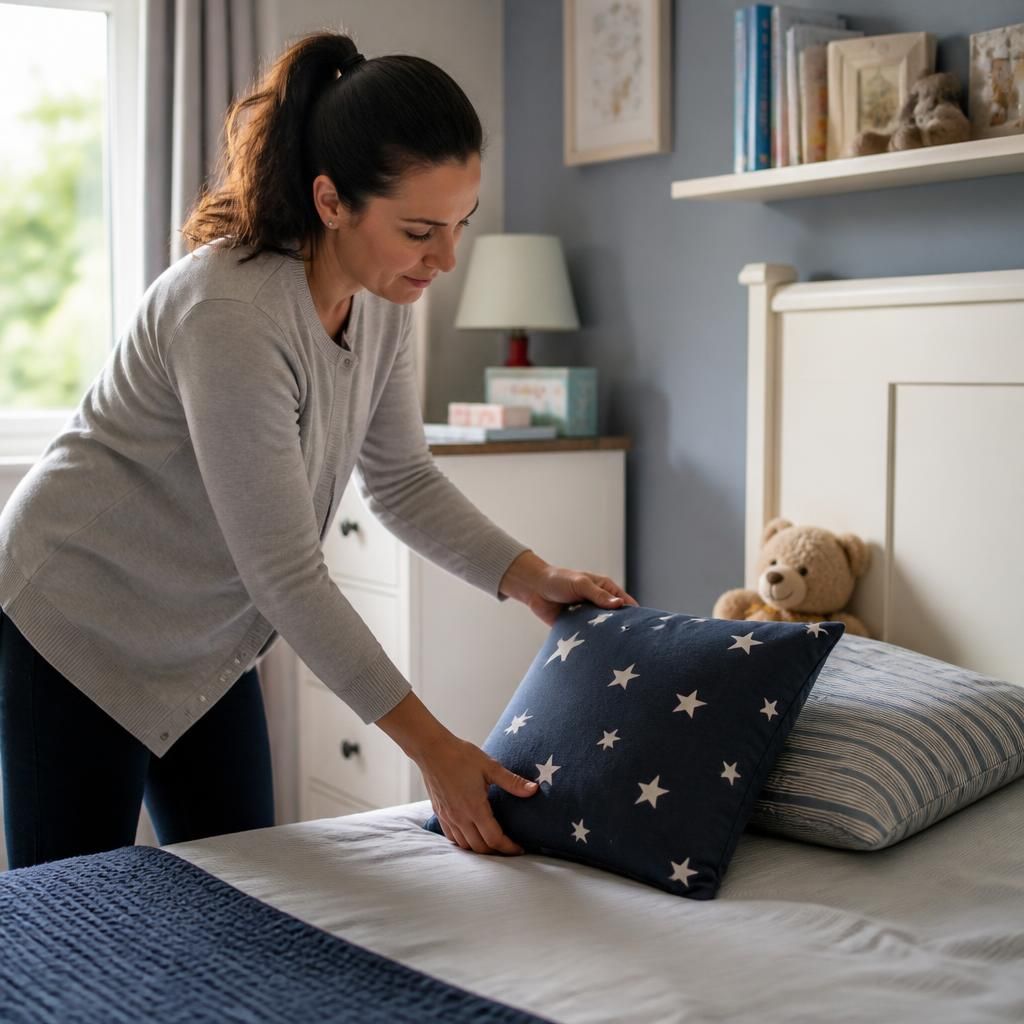
Living alone can work well for respite fostering, but it is important to maintain clear adult–child boundaries. A child staying with you should not be expected to provide companionship or emotional support, and your personal relationships and social life should remain separate from your caring role.
Before applying, consider how you would protect the child’s privacy and your own. This may include agreeing household rules, keeping personal documents and medication secure, deciding which areas of your home are private, and following the safer-caring guidance provided by your fostering service. Being able to explain these boundaries shows that you understand the professional responsibilities involved in caring for a child on your own.
Discuss becoming a respite foster carer
If you are considering respite fostering, discuss your circumstances with our fostering team to understand whether it could be suitable for you. They can answer your questions and explain the next steps towards applying.