
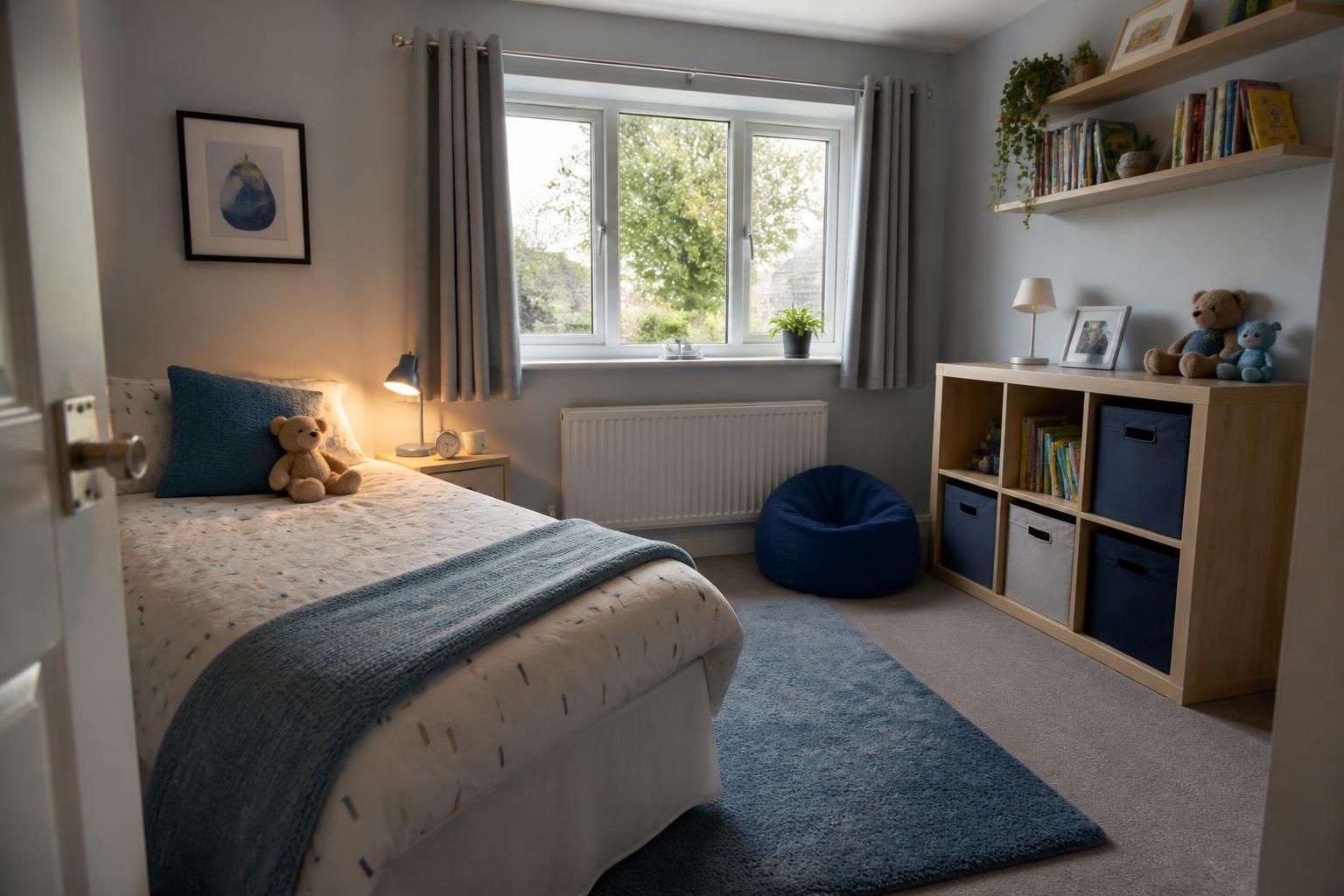
What bedroom requirements apply to respite foster carers?
Respite foster carers generally need to provide a clean, safe bedroom with enough space for the child’s bed, clothes and belongings, and appropriate privacy. The room will usually need to be separate from the carer’s bedroom; whether it can be shared with another child depends on the children’s ages, needs and the fostering agency’s assessment.
Partnering with an
Ofsted Outstanding Provider
Respite foster carers must have a bedroom that meets fostering standards and is suitable for the particular child placed with them. The assessment considers the child’s age, sex, development, relationship to other children in the household, health needs and the length and nature of the respite arrangement. A room that is acceptable for one placement may not be suitable for another.
In England, children aged three and over are generally expected to have their own bedroom. Exceptions may be considered in specific circumstances, such as siblings sharing appropriately, but this is decided through the fostering assessment and placement-matching process. The needs and welfare of the foster child take priority over convenience, and a respite placement does not automatically bypass the usual bedroom standards.
The room should be a proper bedroom within the main home. It should not normally be a living room, dining room, converted garage, shed, caravan or another space that does not provide a suitable long-term sleeping environment. Assessors will consider whether the room is appropriately located, has adequate ventilation and heating, and can be used safely throughout the placement.
Bedroom safety is also checked as part of the wider home assessment. This can include:
- safe access to and from the room in the event of an emergency;
- secure windows and suitable window coverings;
- working smoke and carbon monoxide alarms where required;
- safe electrical sockets, cables, furniture and heating equipment;
- clear routes that are not obstructed by storage or household items; and
- arrangements that protect the child from hazards elsewhere in the home.
The room should be furnished for the child’s age and needs. It will usually need a suitable bed or cot, somewhere to store clothing and personal belongings, and enough usable floor area for ordinary activities. A child should not be expected to sleep in a room being used mainly for storage, nor should their belongings be treated as temporary items that must remain packed away.
Privacy is important, but bedroom arrangements must also allow appropriate safeguarding. Foster carers should be able to supervise younger children and respond to medical, emotional or behavioural needs without creating unnecessary intrusion. Depending on the child’s age, the fostering service may discuss arrangements such as keeping doors open or ajar, using a monitor for a very young child, or agreeing how privacy will increase as the child develops.
Children should not generally share a bedroom with adult members of the fostering household. Any proposed sharing between children will be considered carefully, including their ages, genders, family relationships, individual histories, sleep patterns and care needs. Information about a child’s trauma, behaviour, disability or vulnerability may mean that a room-sharing arrangement is unsuitable even where the children are related or close in age.
There may be practical requirements for the room as well. For example, the fostering service may ask how the child will store medication, valuables, school equipment or specialist items, and whether the room can accommodate equipment linked to a disability or health condition. If a child has mobility needs, the assessment may consider door widths, access to bathroom facilities and whether the room is on an appropriate floor.
During the home assessment, the assessing social worker will normally view the proposed bedroom and discuss how it will be prepared for respite placements. You may be asked to make changes before approval, such as removing excess furniture, improving storage, securing hazards or rearranging the room. The service will explain which changes are required rather than expecting you to guess what will meet the standard.
It is sensible to keep the room flexible rather than decorating it for one particular child before you are approved. Respite placements can involve children with different ages and needs, so neutral furniture, adaptable storage and space for personal items are often more practical. Do not buy specialist equipment unless the fostering service has confirmed that it is needed.
Before a respite placement begins, the supervising team should provide information about the child and identify any bedroom-related arrangements, including night-time supervision, medication, health needs or equipment. If the proposed arrangement would alter who sleeps where, the carer should raise this before agreeing to the placement so that its suitability can be assessed properly.
If your home currently has only one possible bedroom, or you are unsure whether a room qualifies, mention this at the initial enquiry. The fostering assessment will consider the actual layout of your home and whether it can safely meet the needs of children requiring respite care; having questions about your accommodation does not by itself prevent you from exploring the application process.
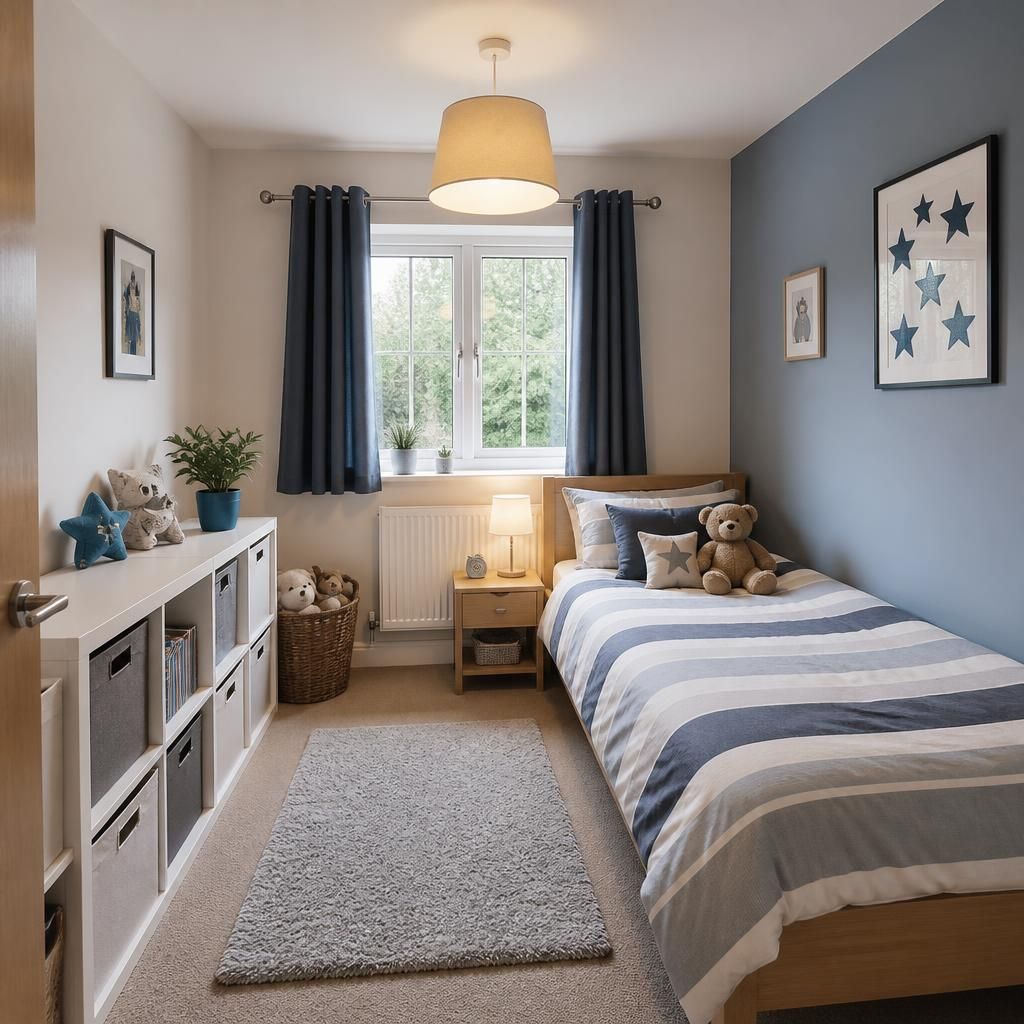
A respite bedroom may have another use between placements, but it must be ready for the child whenever a placement is agreed. During the placement, it should be treated as the child’s private space rather than a shared office, guest room or storage area.
If the room is used for another purpose, make sure it can be cleared without moving furniture or belongings at short notice. Discuss the arrangement during your home assessment, particularly if another household member may need to enter the room, so clear boundaries can be agreed in advance.
Find out if your bedroom is suitable for respite fostering
Unsure whether your home can meet respite fostering bedroom requirements? Contact Become A Foster Family to discuss your accommodation and the next step in the fostering assessment.