

What records should I keep during respite foster care?
During respite foster care, keep clear, factual records of the child’s daily care, routines, behaviour, health, medication, contact arrangements and any significant events. Record dates, times, relevant observations and actions taken, and share the information securely with your fostering service so it can inform ongoing care and required records.
Partnering with an
Ofsted Outstanding Provider
Records kept during respite foster care should be accurate, objective and easy for the child’s fostering service to use. Alongside routine care information, keep a clear account of decisions, communication, incidents, the child’s views and any information needed to maintain continuity when responsibility returns to their usual carers.
Record the child’s views and experiences. Note anything the child tells you about how they are feeling, what they want, what worries them and what helps them feel settled. Use the child’s own words where they are important. Do not interpret a comment or write that a child was being manipulative, difficult or attention-seeking. Instead, describe what was said or observed and the circumstances in which it happened.
Keep an account of important communication. Your notes may need to include relevant conversations or messages with the child’s usual foster carers, social worker, school, health professionals or other approved contacts. Include the date, who was involved, the main information shared and any agreed action. Follow your fostering service’s instructions about which communications belong in the formal record and which should be reported through another process.
Document incidents and safeguarding concerns separately when required. An accident, allegation, missing episode, unauthorised contact, serious change in behaviour or concern about possible harm should be reported promptly through the procedure given by your fostering service. A routine note is not a substitute for an incident report, telephone notification or emergency action. Make a factual note of what happened, who was informed and what advice you were given, without investigating or questioning the child repeatedly.
Make entries reliable.
- Write as soon as reasonably possible after the event, while the details are fresh.
- Use the correct date and time, and distinguish between what you saw, what someone told you and what you believe may have happened.
- Use plain, professional language and avoid speculation, labels and personal criticism.
- Correct mistakes in the approved way rather than deleting or disguising the original entry.
- Sign or identify each entry if your recording system requires this.
- Keep records factual even where an event was upsetting or challenging.
Follow the approved recording system. Your agency or local authority may use an online system, paper forms, a placement diary or a combination of these. Use only the method you have been instructed to use, and ask your supervising social worker how to submit records, photographs, receipts or supporting documents. Do not keep duplicate informal notes indefinitely if they contain sensitive information that should be transferred to the official record.
Protect confidentiality. Store paper records securely and protect digital records with the required password or access controls. Do not discuss the child’s circumstances on social media, share information with people who are not authorised to receive it, or leave notes where visitors or other household members can read them. Take particular care with school information, health details, photographs and documents containing the child’s full name.
At the end of the respite period, check that all required records have been completed and submitted, and pass on relevant belongings, documents or information in the manner agreed with the fostering service. Keep copies only where the service’s policy permits this. If you are unsure whether something should be recorded, or whether it needs immediate reporting, contact your supervising social worker or the designated emergency contact provided in your fostering information.
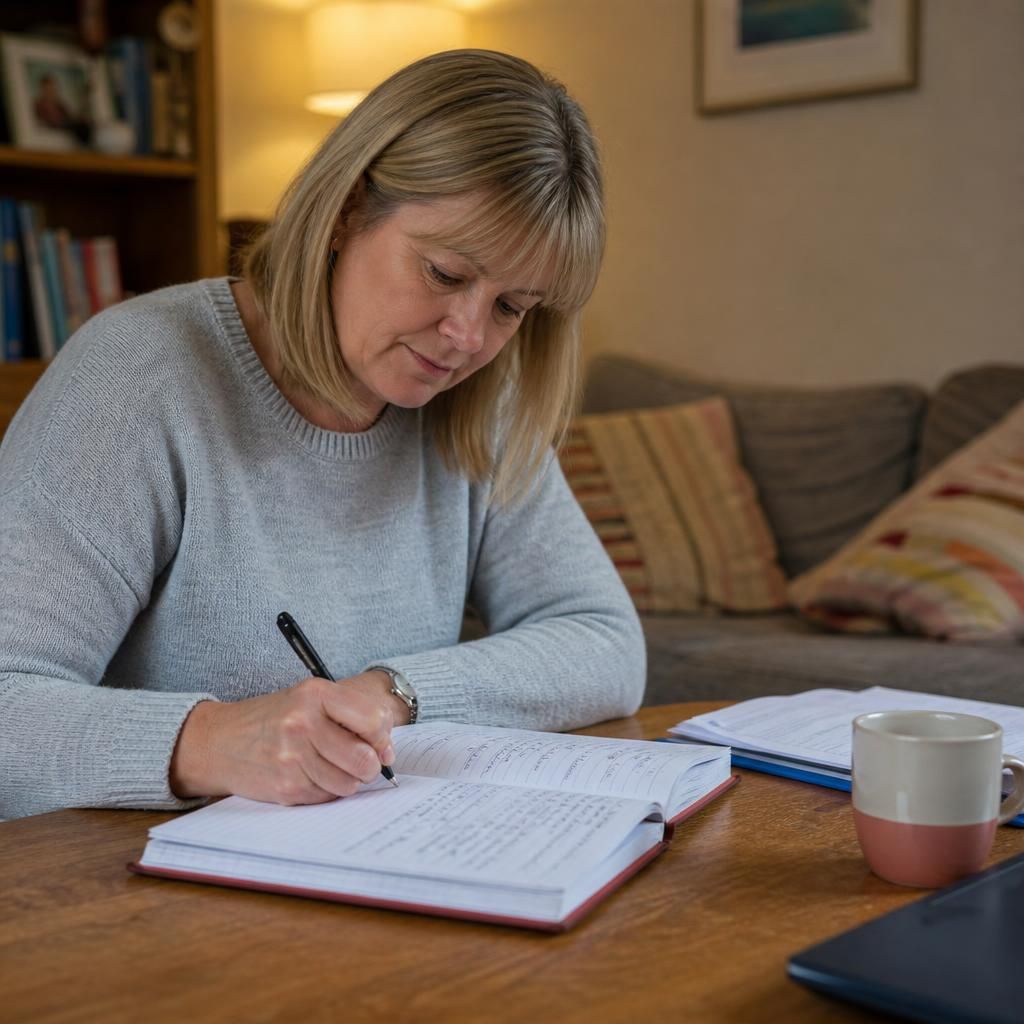
A useful respite record should show what helps the child feel settled, not only what went wrong. Note preferences, successful routines, helpful ways of offering reassurance and any changes that made meals, bedtime, school or contact arrangements easier. This gives the child’s usual carers and professionals practical information to build on.
- Record the situation, such as a change of activity or preparation for contact.
- Describe the child’s response using observable facts rather than assumptions about their motives.
- Note what you tried and whether it appeared to help.
- Include anything the child said about what they preferred or found difficult.
For example, rather than writing that a child was unsettled at bedtime, record what happened before bedtime, the words or behaviour you observed, the support offered and how the child responded. This level of detail can reveal useful patterns without labelling the child.
Get guidance on keeping respite foster care records
If you are considering respite fostering and would like to understand how recording works in practice, speak to Become a Foster Family for guidance on training, recording expectations and ongoing support.