
What should I prepare before a respite foster placement begins?
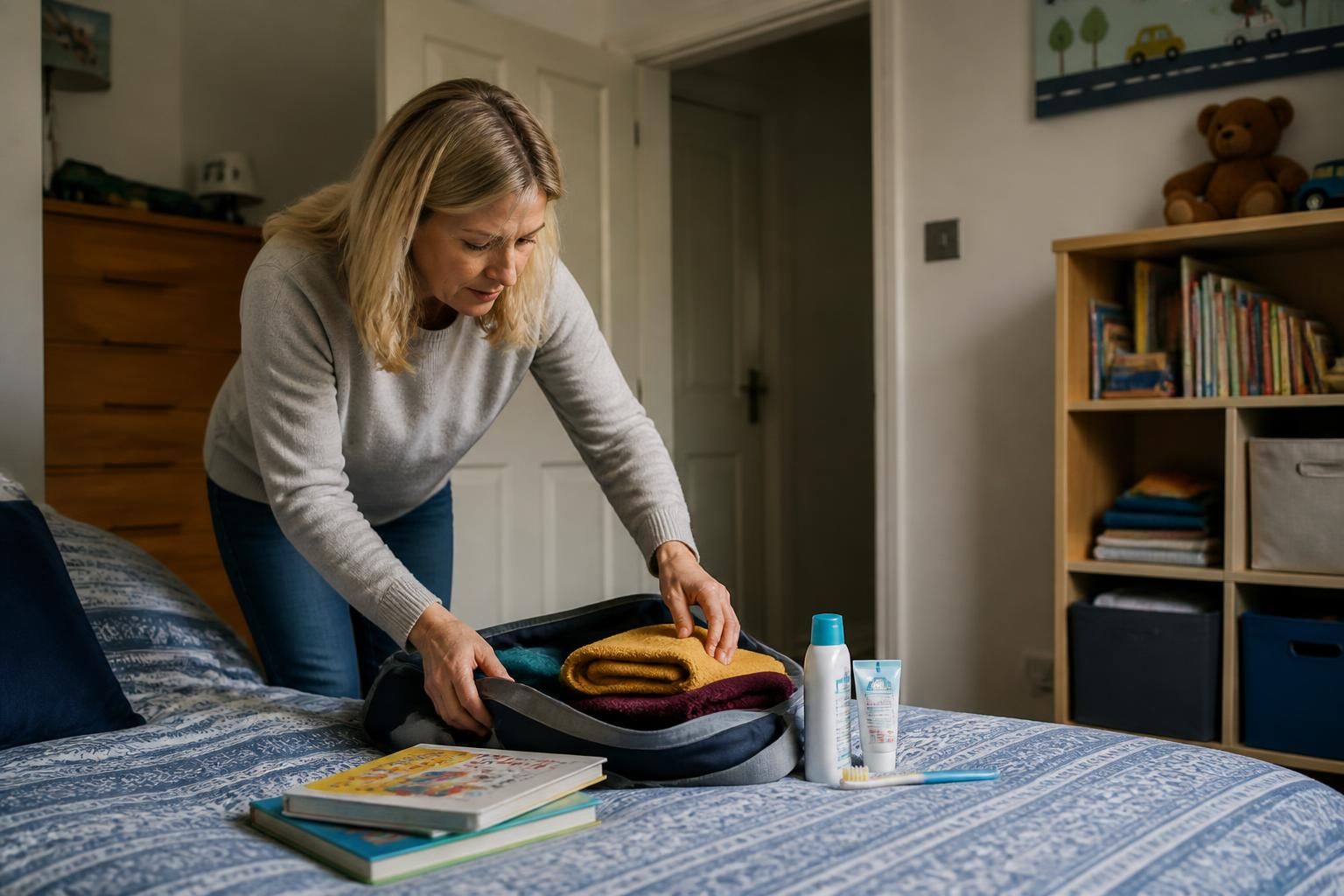
Before a respite foster placement begins, prepare a safe sleeping space, essential clothing and toiletries, and clear information about the child’s routines, health, education, contact arrangements and support needs. Keep important contact details and agreed plans accessible so everyone involved can provide consistent care from the child’s first day.
Partnering with an
Ofsted Outstanding Provider
Preparing for a respite foster placement means making practical, emotional and safeguarding arrangements before the child arrives, so the household understands its responsibilities and can provide consistent care within the agreed fostering plan. Preparation should involve every adult in the home, and any children or regular visitors should be given an age-appropriate explanation of what the placement may mean for them.
Confirm what has been agreed before accepting. Make sure you understand the planned length of the placement, who has parental responsibility, which decisions you can make yourself and which require approval from the child’s social worker or fostering service. Ask about arrangements for consent, medication, appointments, transport, communication with professionals and any restrictions that apply. If anything is unclear, raise it before the placement starts rather than relying on assumptions.
Review the safer caring arrangements. Your fostering service should provide guidance about privacy, supervision, physical contact, personal care, photography, social media, visitors and the use of technology. Read this carefully and consider how it will work in your household. Keep boundaries clear from the start: do not promise secrecy, share information unnecessarily or post anything that could identify the child. Everyone in the home should know who to speak to if they are worried about the child’s safety.
Check the home for everyday safeguarding risks. Before arrival, secure medicines, cleaning products, alcohol, tools, weapons and other hazardous items. Check that doors, windows, stairways and outdoor areas are suitable, and make sure smoke and carbon monoxide alarms are working. Consider online safety as well as physical safety, including passwords, parental controls, connected devices and access to cameras or recording equipment. Any household pets should be managed in line with the child’s assessed needs and the fostering service’s instructions.
Prepare the household. Talk through how the placement may affect family routines, privacy, shared spaces, meals, transport and visitors. Agree who will take responsibility for practical tasks and what you will do if the child becomes distressed, withdrawn, angry or unsettled. Household members do not need to know confidential details, but they should understand the agreed boundaries and how to seek help. If you have work, study or caring commitments, check that your arrangements allow you to meet the responsibilities set out for the placement.
Think about the first welcome. A child arriving for respite care may be managing unfamiliar adults, a different environment and a temporary arrangement. Keep the first conversation simple and avoid asking for a detailed account of difficult experiences. Explain who the adults are, what will happen next and which parts of the home they may use. Offer reasonable choices, such as where to sit or which activity to try, without presenting choices that you cannot honour.
Plan low-pressure activities. Have a few neutral options available, such as games, drawing, reading, music or time outdoors, while avoiding a crowded schedule. Do not assume that an activity enjoyed by another child will suit this child. Follow their lead, allow quiet time and recognise that participation may change from one day to the next. The aim is to create predictability without making the child feel tested or entertained.
Organise practical travel arrangements. Check who is authorised to transport the child, which vehicle and car-seat requirements apply, and what permissions are needed for outings. Make sure you know the route to any agreed destination and understand the process for handovers. Never make independent changes to collection, travel or overnight arrangements without checking with the relevant professional.
Keep essential documents accessible without compromising confidentiality. Use a secure place for information supplied by the fostering service and avoid leaving paperwork where visitors or other children can see it. Have the relevant recording method ready, such as the agency’s online system or paper forms, and understand what must be recorded and reported. This helps create an accurate account of the placement and avoids relying on memory.
Prepare yourself as well as the home. Respite care is not simply a shortened version of full-time fostering. The child may have established relationships, expectations and ways of communicating that are unfamiliar to you, and a brief placement can still require patience and careful observation. Be honest with your supervising social worker about any concerns before the placement begins. Good preparation does not mean predicting every situation; it means knowing the agreed boundaries, using the support available and responding consistently.
Before the child arrives, use a final checklist: household members have been briefed, safeguarding arrangements are in place, responsibilities are understood, transport and permissions have been checked, confidential information is secure, and you know how to raise a concern. If new information is shared or the proposed arrangements no longer feel suitable, discuss it with the fostering service before proceeding.
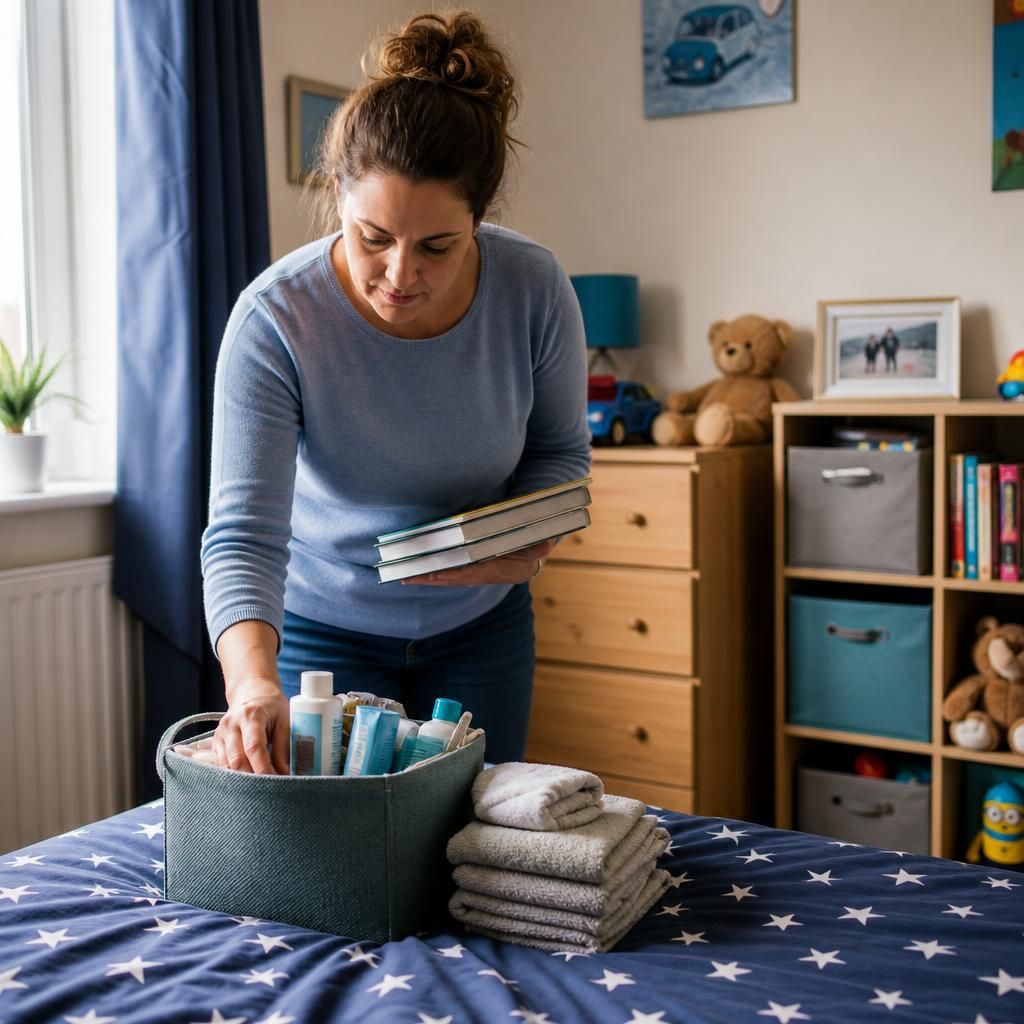
Food preparation is an important part of getting ready for a respite foster placement. Before the child arrives, confirm any allergies, dietary requirements, cultural or religious preferences, intolerances and foods they should avoid. Ask how these needs are usually managed and record the information where the adults responsible for meals can refer to it.
- Check food labels and prevent cross-contamination where necessary.
- Have a small selection of familiar, suitable foods available rather than planning every meal in advance.
- Make water and agreed snacks easy to access, if this is appropriate for the child.
- Never pressure a child to eat unfamiliar food or treat refusal as misbehaviour.
If the child has medication, an allergy action plan or specific advice about eating and drinking, follow the instructions provided by the fostering service and relevant professionals. Practical preparation around food can reduce avoidable anxiety and help the child settle into the household safely.
Get guidance on preparing for respite foster care
If you would like to discuss whether respite fostering is right for your household, contact our fostering team for guidance on the assessment process, training and support available.