

Can weekend fostering provide regular support for the same child?
Yes. Weekend fostering can provide planned, recurring support for the same child when this is agreed as part of their care plan and the arrangement meets their needs, offering continuity across regular short-break stays.
Partnering with an
Ofsted Outstanding Provider
Weekend fostering can provide regular support for the same child when a planned short-break arrangement is agreed with the child’s placing authority, fostering service and everyone involved in the child’s care. This may involve the child staying with the foster carer on agreed weekends or at other planned intervals, helping provide continuity while supporting the child’s wider care plan.
This type of arrangement is often used where a child needs a reliable break from their main placement, additional support for their family, or an opportunity to spend time in a different safe and stable environment. It is not an informal babysitting arrangement. The frequency, length and purpose of each stay should be clear, recorded and reviewed as part of the child’s agreed plans.
How regular weekend support is arranged
A fostering service will consider whether the arrangement is suitable for the child and the approved foster carer. Matching may take account of:
- the child’s age, personality, interests and communication style;
- their relationships with family members and other important people;
- health, education, emotional and behavioural needs;
- any safeguarding considerations or known triggers;
- the foster carer’s skills, experience, household and available space; and
- travel, school, contact and practical arrangements.
If the match is appropriate, the adults involved should agree how often the child will stay, what support they need before and during each visit, who is responsible for transport and how information will be shared. Some children benefit from a predictable pattern, while others may need arrangements that change as their circumstances develop.
Why the same-carer arrangement can be helpful
Returning to the same foster carer can make short breaks more predictable. The child has the opportunity to become familiar with the household, routines and expectations instead of having to adjust to a different environment each time. Over time, the carer may also build a better understanding of the child’s communication, preferences and ways of managing difficult feelings.
Consistency does not mean that the foster carer replaces the child’s main carer or takes over decision-making. The purpose and boundaries of the arrangement should be explained clearly to the child in an age-appropriate way. The foster carer should follow the child’s care plan and pass on relevant information to the child’s social worker or supervising team.
What happens when the arrangement begins
Before regular stays start, the fostering service should provide information about the child’s needs, routines, health, education, contact arrangements and any known risks. The first stay may be introduced gradually, depending on the child’s age, understanding and circumstances. This could include conversations, introductions or shorter visits before an overnight stay, although the exact process will depend on the plan for that child.
Foster carers should keep appropriate records after each placement or stay. These may include significant events, accidents, medication, incidents, contact with family members and any changes in the child’s presentation or needs. Accurate records help the team understand whether the arrangement remains suitable and whether further support is needed.
Can the arrangement change?
Yes. Regular weekend fostering is planned, but it is not necessarily fixed for the whole period of a child’s time in care. The child’s circumstances, family relationships, health, education or behaviour may change. The fostering service should review the arrangement with the child, their main carers and the foster carer, particularly if stays become difficult, the child’s needs increase or the original purpose of the short breaks is no longer being met.
A weekend carer should report concerns rather than trying to manage a significant change alone. This includes safeguarding worries, unexplained injuries, missing items or medication, distress that is unusual for the child, or behaviour that creates a risk to the child or other household members. The supervising team can then consider whether the care plan, risk assessment, training or support needs updating.
What this means for people considering weekend fostering
People interested in providing regular support for one child still need to complete the usual fostering assessment and suitability checks. This includes consideration of the household, references, health, personal circumstances, safeguarding checks and ability to meet the responsibilities of fostering. Training helps applicants understand safeguarding, trauma, behaviour, relationships and the practical demands of caring for children.
During the assessment, it is useful to explain the days you can offer, the age range you would consider and whether you could manage repeated stays alongside your work and family commitments. A fostering service can then discuss whether a regular short-break arrangement is likely to fit your circumstances and what support would be available. The final decision about matching rests on the child’s needs as well as the carer’s availability and suitability.
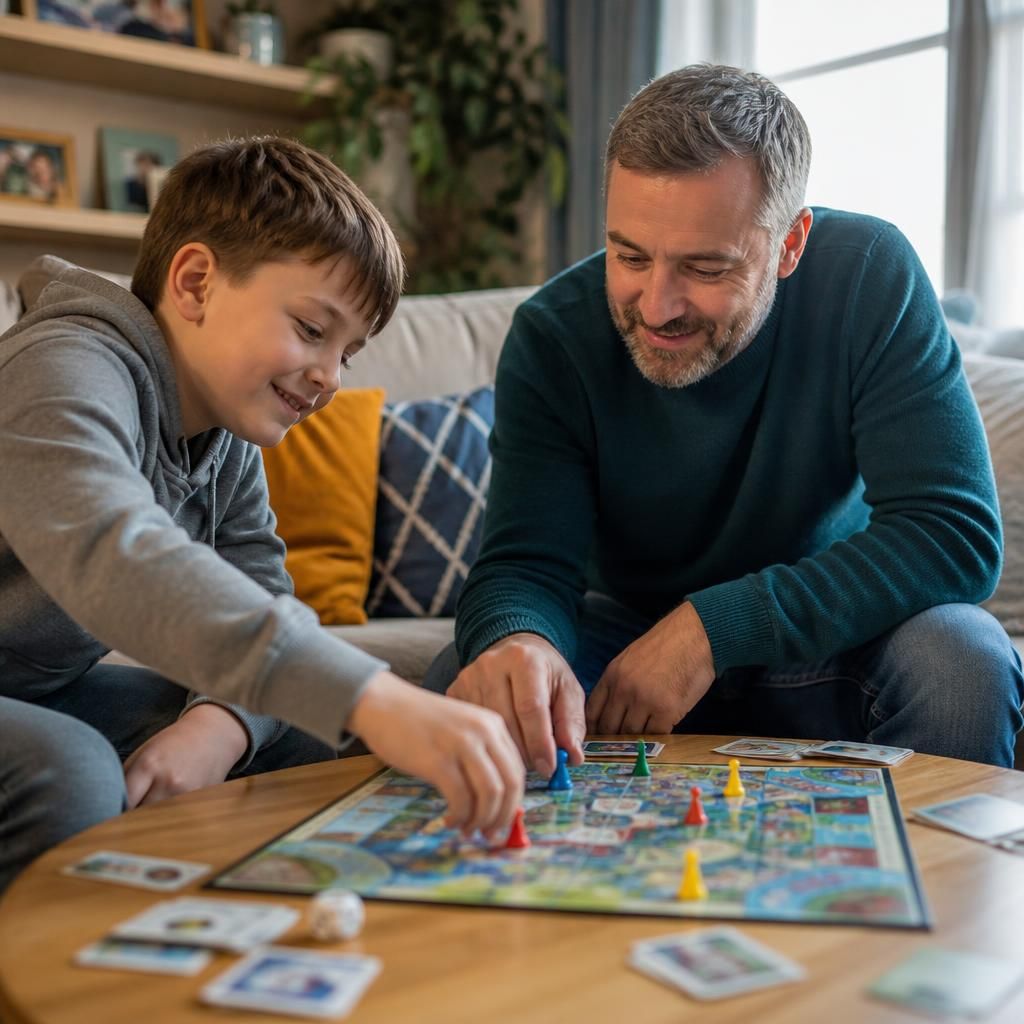
Regular weekend fostering should be shaped around the child’s views as well as the practical arrangements. Their age and understanding will affect how those views are gathered, but the child should be helped to express what they enjoy, what worries them and what would make each stay feel comfortable.
This may include discussing household routines, activities, privacy, contact with family and how the child can ask for help. Their feedback can help the fostering team identify whether the pattern of stays is working or needs adjusting. A child may value returning to the same carer, but the arrangement should never be treated as suitable simply because it is convenient for adults.
Find out if weekend fostering could suit you
If you are considering regular short-break fostering, speak to our fostering team to discuss whether it could suit your circumstances and learn about the next steps in the assessment process.