

Can siblings be fostered together if they have different needs?
Yes, siblings with different needs can often be fostered together, provided the placement is safe and the foster carers can meet each child’s individual needs. The assessment and care planning process considers factors such as health, behaviour, education, relationships and the support required, so appropriate training and specialist assistance can be arranged where needed.
Partnering with an
Ofsted Outstanding Provider
Yes. Siblings with different needs may be fostered together when living together is in each child’s best interests and the placement can safely provide the care, supervision and resources they require. Different needs do not automatically mean that siblings must be separated; the decision is based on the needs of each child and the way those needs interact within the proposed household.
Needs can differ for many reasons. One child may have additional health or developmental needs, while another may need help with emotional regulation, education or managing behaviour linked to earlier experiences. Siblings may also be different ages, have contrasting routines or require different approaches to communication, boundaries and reassurance. These differences are considered individually rather than treating the sibling group as one placement with identical requirements.
Before a placement is agreed, the relevant professionals should build a clear picture of each child. This may include:
- health conditions, disabilities, medication and personal care requirements;
- emotional wellbeing, attachment needs and the impact of previous experiences;
- behaviour, triggers, risks and ways of helping each child feel settled;
- education, transport, appointments and activities;
- the children’s relationships with one another, including whether they seek comfort from each other or experience conflict;
- contact arrangements with parents, relatives or other important people; and
- the practical space, skills and support available in the foster home.
This information helps the fostering service and social workers decide whether the carers can meet the group’s needs at the same time. It also identifies where separate routines, one-to-one attention, equipment, professional advice or additional help may be needed. A placement should not proceed simply because keeping siblings together is desirable; it must be workable and safe for every child, as well as for other children living in the home.
A written placement plan should explain how care will be organised. For example, siblings may need different bedtime arrangements, dietary plans, communication methods, school support or approaches to behaviour. One child might need quiet time after school, while another needs structured activity and close supervision. Foster carers need enough information to follow these arrangements consistently while still giving the children opportunities to spend positive time together.
Keeping siblings together does not mean expecting them to share all experiences or placing responsibility for one child on another. Foster carers should recognise each child as an individual, provide private conversations and age-appropriate choices, and avoid comparing siblings. It can be helpful to plan both shared activities and individual time, so the children can maintain their relationship without one child’s needs dominating family life.
The children’s relationship is also part of the assessment. Siblings may protect, comfort and reassure one another, but they may also have been affected by conflict, rivalry or experiences within their family. If there are concerns about aggression, harmful behaviour, exploitation or a child taking on a caring role, professionals must consider how those risks can be managed. This might involve clear boundaries, supervision, planned time apart or specialist advice. In some circumstances, separate placements may be safer, even when the children would prefer to remain together.
Foster carers should receive relevant information before agreeing to the placement and have an opportunity to discuss what they can realistically manage. They should ask about each child’s daily routine, known triggers, health needs, communication, school arrangements, contact and the support available if circumstances change. It is important to raise questions before placement rather than relying on assumptions about what siblings will need.
Plans should be reviewed after the children move in. New information may emerge once they are living together, or a child’s needs may change as they settle. Foster carers can contribute observations about sleep, behaviour, relationships, appointments, education and the effect of different routines. If the arrangement is becoming difficult or a child’s safety is in question, concerns should be shared promptly with the supervising social worker and the children’s social workers so that the plan can be reconsidered.
In practice, a successful sibling placement depends on matching, preparation and ongoing review. Where the risks are understood and the foster home has the right capacity and support, children with different needs can live together while receiving care tailored to each of them. The aim is not identical treatment, but fair and appropriate care that protects each child and supports their sibling relationship.
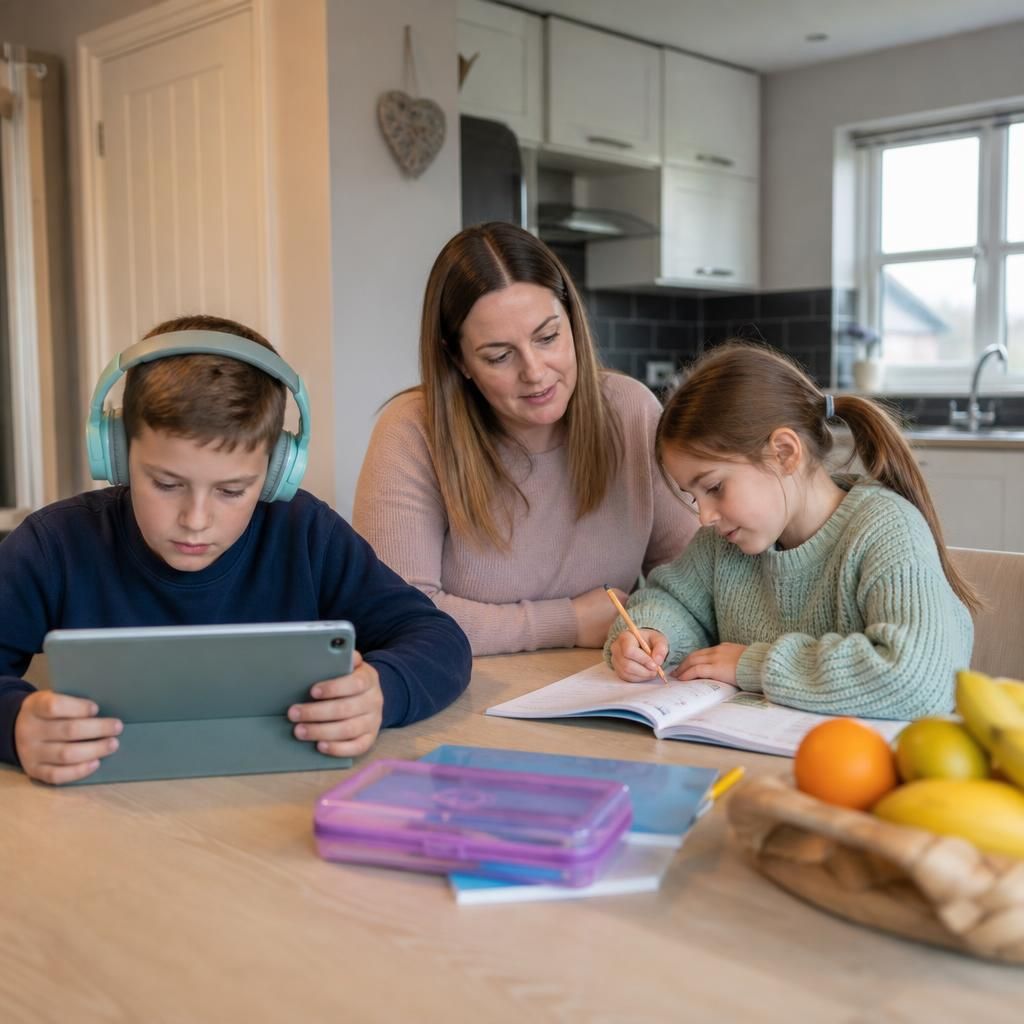
Children’s views should form part of the decision about whether a shared placement is right, particularly when their needs differ. Social workers may help each child express what they understand about fostering, what they are worried about and what would help them feel secure. Their views should be considered separately, using age-appropriate communication where necessary, rather than assuming that one sibling speaks for the whole group.
This can also reveal practical adjustments that adults might otherwise miss. For example, one child may need information explained visually, while another may need time to talk away from their sibling. Listening to each child helps professionals judge whether living together is genuinely suitable and ensures that support is shaped around both children, not just the sibling whose needs appear most complex.
Discuss fostering siblings with different needs
If you are considering fostering siblings with different needs, speak with our fostering team to discuss your circumstances, the assessment process and the support that may be available.