
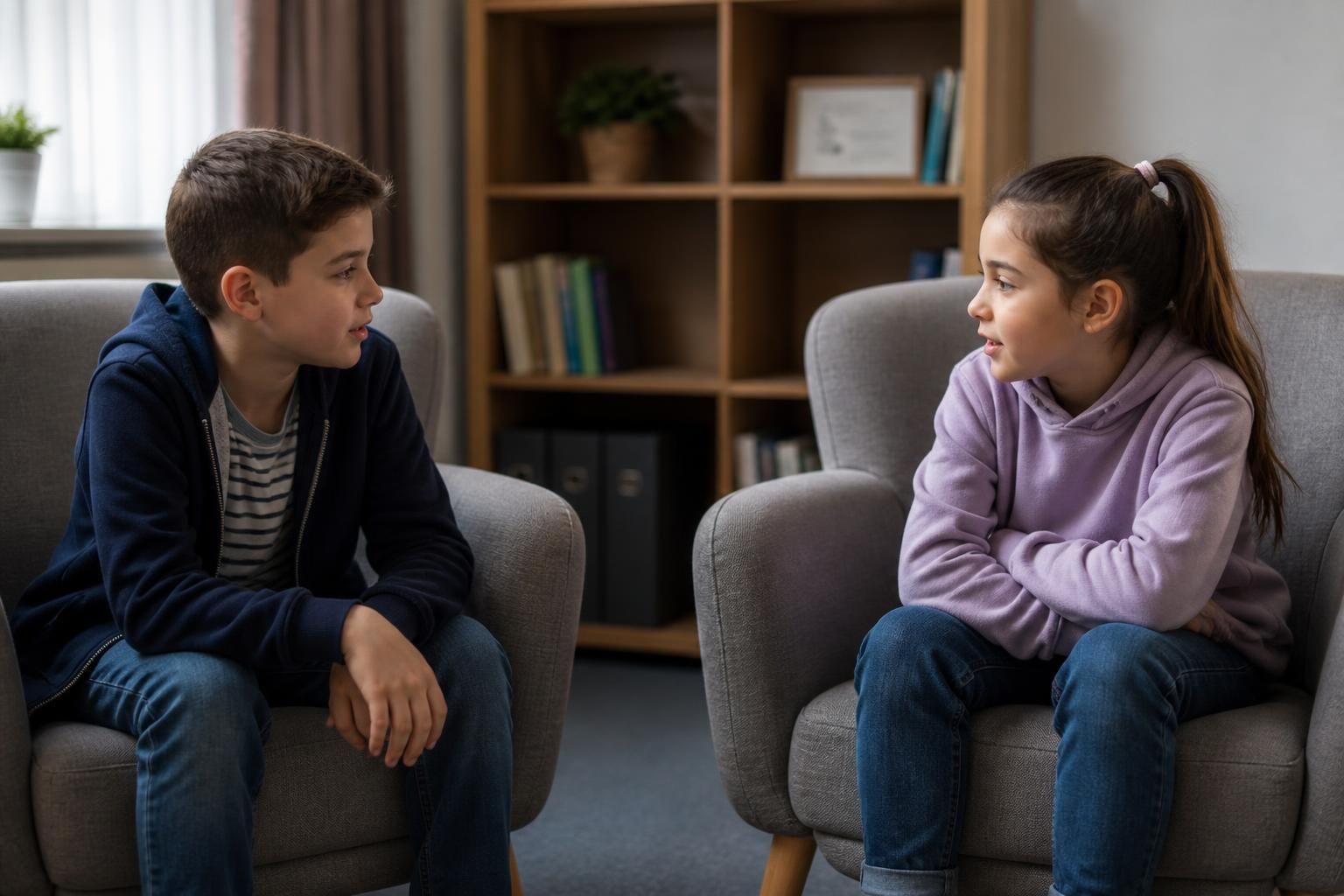
Can siblings be separated after placement in foster care?
Yes. Siblings may be separated after placement if living together is no longer in their best interests, for example because of safety concerns, escalating conflict or significantly different care needs. The decision should be carefully assessed and reviewed by the responsible professionals, with plans made to maintain safe sibling relationships wherever possible.
Partnering with an
Ofsted Outstanding Provider
A joint sibling placement can be ended after the children move in, but this should be a considered safeguarding and care-planning decision rather than a routine response to ordinary difficulties. The local authority and fostering professionals should gather information, consider each child’s welfare separately, and decide whether the placement can be safely supported, needs adjustment, or should end.
Why the situation may be reconsidered
Children can behave differently once they feel more settled in a foster home. New information about their experiences, relationships or emotional needs may emerge, or the impact of living together may become clearer over time. Professionals may need to reconsider the arrangement if one child is taking on an inappropriate caring role, if one child’s progress is being significantly affected, or if the household cannot provide the level of supervision and individual attention required.
The assessment should look beyond a single incident. It may consider patterns of behaviour, the children’s presentation before and after contact with one another, their ability to have individual time and space, and whether practical changes could make the placement workable. These changes might include revised routines, additional support, clearer boundaries, separate activities or a new contact arrangement.
Who makes the decision?
Foster carers do not normally make a decision to end a sibling placement on their own. They should raise concerns promptly with their supervising social worker and the child’s social worker. The fostering service, placing authority and other relevant professionals then consider the evidence and agree the next steps. The child’s care plan, placement agreement and any legal directions must be taken into account.
Each child’s views should be sought in a way that reflects their age, understanding and communication needs. Children may have mixed feelings: they might want more independence while also fearing that separation means losing their brother or sister. Their views are important, but professionals must also consider safety, development and welfare when reaching a decision.
Immediate concerns and planned decisions
If there is an immediate safeguarding concern, action may need to be taken before a full review can be completed. The relevant social workers and fostering professionals should be contacted straight away, following the agreed procedures for the placement. A temporary arrangement may be used while information is gathered, but this should not leave children or carers unclear about who is responsible for decisions.
Where the concern is not immediate, professionals should usually examine whether the difficulties can be addressed without moving either child. This may involve a focused placement review and updated risk assessment. If separation is considered necessary, the move should be planned wherever circumstances allow, with attention to school, belongings, health appointments, routines and important relationships.
What happens to the sibling relationship?
Moving siblings into different foster homes does not automatically end their relationship. Their social workers should consider whether direct contact, shared activities, phone calls, letters or another form of communication is safe and suitable. The arrangements should reflect the children’s ages, wishes, emotional responses and any risks identified during the assessment.
Contact may need to be supervised, introduced gradually or reviewed if it causes distress. It should not be treated as a fixed arrangement that can continue without checking how the children are coping. Foster carers can support contact by helping children prepare, sharing relevant observations with professionals and avoiding language that makes one child feel responsible for the other.
The foster carer’s role
Foster carers should record significant events factually, including what happened, when it happened, who was present and how each child responded. Records should distinguish direct observations from opinions or information reported by someone else. Carers should also note what helped, what increased difficulty and whether the children were able to recover afterwards.
Carers should not promise children that they will stay together or that they will definitely be moved apart. They can explain that adults are reviewing what will keep everyone safe and supported, and that the children’s views will be heard. Any questions about a possible move should be passed to the child’s social worker or supervising social worker so that information is consistent.
After separation
A move to separate homes should be followed by review rather than treated as the end of the decision-making process. Professionals may need to check how each child is settling, whether contact is working, and whether the care plan still reflects their needs. The outcome and reasons for the decision should be recorded clearly, together with the arrangements for supporting the sibling relationship.
For someone considering fostering siblings, the important point is that the placement plan should explain how concerns will be raised, who will be involved in reviews and how contact will be considered if circumstances change. Good communication between foster carers, social workers and the children helps ensure that any decision is based on evidence and is focused on each child’s welfare.

Separation after a joint sibling placement does not necessarily mean that the foster carers have failed or that the children’s relationship cannot continue. Sibling dynamics can change as children settle, disclose experiences or show different emotional and developmental needs. Professionals assess the circumstances rather than treating a move as evidence of fault.
Foster carers can help by giving each child individual attention, avoiding comparisons and recognising that siblings may respond differently to the same change. They should share relevant observations with the supervising social worker, including improvements as well as difficulties, so decisions reflect the children’s day-to-day experiences and not just one challenging period.
Find out more about fostering siblings
If you are considering fostering siblings, find out more about the assessment, training and support available before deciding whether it is right for your household. Speak to the Become A Foster Family team to discuss your circumstances and any questions about sibling placements.