
How are sibling foster placements reviewed after children move in?
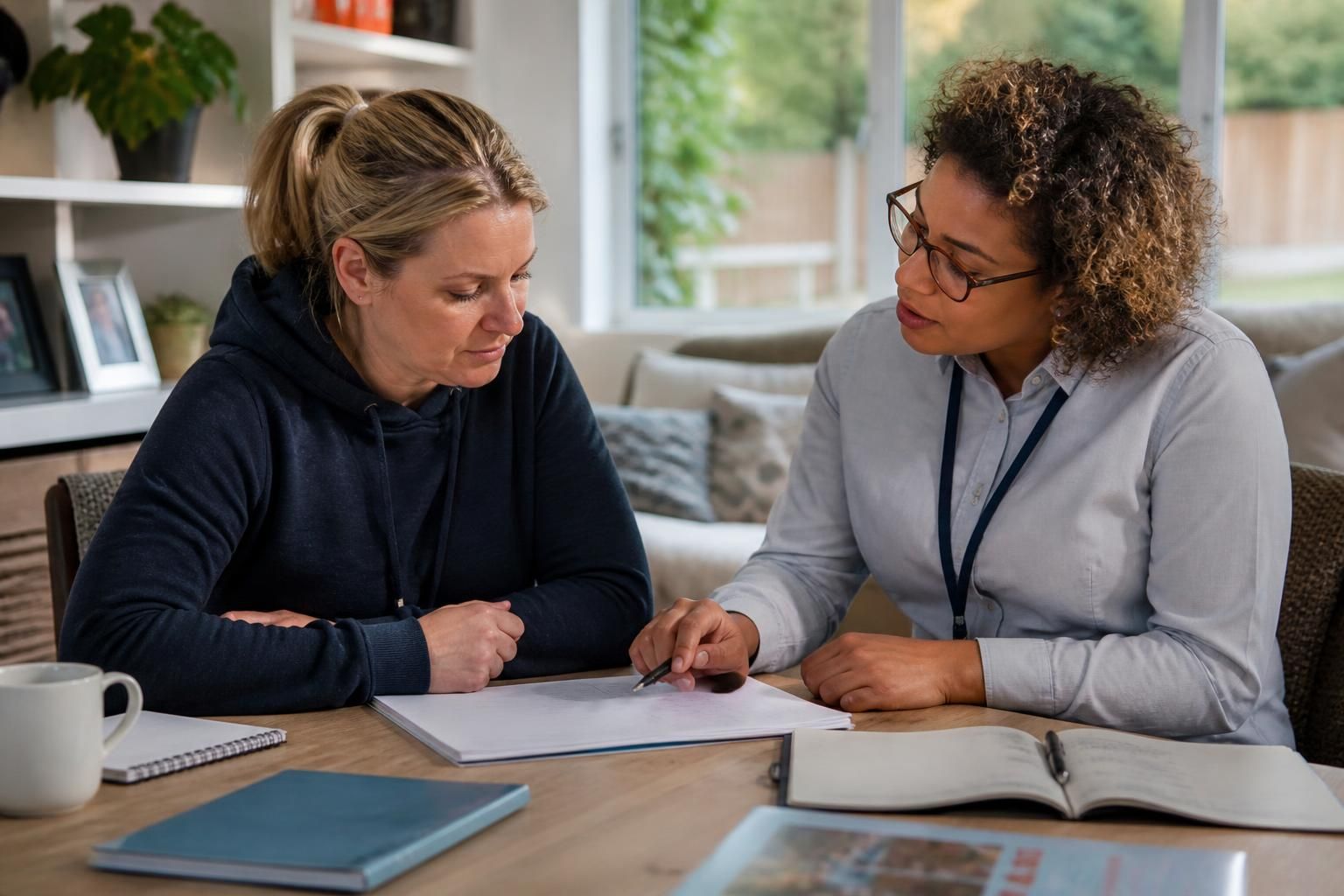
Sibling foster placements are reviewed through regular visits and review meetings after the children move in, considering their safety, wellbeing, relationships and progress together. Foster carers share observations and concerns with the supervising team so the care plan and support can be updated as the siblings’ needs develop.
Partnering with an
Ofsted Outstanding Provider
After siblings move into a foster home, their placement is reviewed as part of the local authority’s ongoing care planning. The review checks whether the arrangement remains safe, suitable and able to meet each child’s needs, while also considering whether living together is supporting a healthy sibling relationship. It is a continuing process rather than a single assessment completed at the start of the placement.
There are usually two connected types of review. The looked-after child review considers each child’s overall care plan, including health, education, family contact and longer-term arrangements. A foster placement review considers how the placement itself is working for the children and the foster household. These reviews may take place together or separately, depending on the local authority’s arrangements and the circumstances of the siblings.
The timing is set by the responsible local authority in line with statutory requirements and the children’s individual plans. A further review can be arranged sooner if there is a significant change, such as a serious disagreement between siblings, a change in contact arrangements, a new assessment of their needs, or concerns about whether the placement can continue. Foster carers should not wait for the next scheduled meeting if an issue needs prompt attention.
People involved can include:
- the foster carers and their supervising social worker;
- each child’s social worker and the independent reviewing officer;
- the children, in an age-appropriate way;
- parents, relatives or other people with parental responsibility where appropriate;
- education, health, therapeutic or other professionals involved in the children’s care; and
- an advocate or independent visitor for a child who needs help expressing their views.
Not every person will attend every meeting. The local authority decides who should contribute, taking account of confidentiality, safeguarding and the individual circumstances of each child.
The review looks at each sibling separately as well as at the group. Children who have experienced the same events may respond very differently. One child may appear confident while another needs more reassurance, privacy or one-to-one attention. The discussion may cover:
- sleep, routines, behaviour and emotional regulation;
- how the children share space, belongings, activities and adult attention;
- arguments, rivalry, loyalty conflicts or controlling behaviour;
- whether one sibling is taking on an inappropriate caring or protective role;
- the children’s communication with one another and their ability to spend time apart;
- progress at school, attendance, friendships and activities;
- health appointments, therapeutic recommendations and emerging needs;
- the effect of family time and other significant relationships; and
- what each child says about feeling safe, settled and listened to.
Keeping siblings together does not mean treating them identically. The review considers whether differences in boundaries, routines, privileges, support or personal space are justified by individual needs and explained clearly. It also considers whether the children have enough positive time together without being expected to manage one another’s emotions or behaviour.
Children’s views should be gathered in a way that suits their age, communication and development. A child may speak directly in the meeting, share views beforehand with a social worker, use drawings or written comments, or ask an advocate to represent them. Their wishes and feelings are important, but adults must also consider safeguarding information and professional assessments when making decisions.
Foster carers make an important contribution by providing specific observations rather than general impressions. Useful information can include what happened before a disagreement, how each child responded, what helped, and whether a pattern is developing. Daily records, school feedback, appointment information and notes about contact can help professionals understand what is happening over time. Records should remain factual, respectful and separate for each child where appropriate, with information shared according to confidentiality and recording requirements.
The outcome may be confirmation that the placement plan remains appropriate, or a set of agreed actions. These could include changes to routines, bedroom or household arrangements, contact plans, school support, transport, therapeutic involvement, delegated authority or practical guidance for carers. The plan should identify who is responsible for each action and when it will be checked. If the children’s needs change significantly, the local authority may arrange additional assessments or reconsider the care plan.
A review does not automatically mean that siblings will be separated if difficulties arise. Professionals should first consider whether the problem can be addressed safely through clearer boundaries, additional support, planned time apart, changes to contact or a different approach to routines. However, if living together creates an unacceptable risk or prevents one or more children from receiving appropriate care, their safety takes priority. Any decision about separation should be carefully assessed, explained and recorded, with arrangements made to preserve the sibling relationship where this is safe and appropriate.
Foster carers should raise concerns with their supervising social worker or the children’s social worker as soon as they notice them. Safeguarding concerns, allegations, unexplained injuries, threats of harm or a child saying they do not feel safe require immediate action under the relevant local authority procedures rather than waiting for a planned review. Review meetings provide a structured opportunity to assess the placement, but they do not replace day-to-day communication or safeguarding responsibilities.

A sibling placement review is separate from the foster carer’s own annual review. The placement review examines whether the current arrangement is meeting each child’s needs and supporting their relationship. The foster carer’s review considers their approval, training, development and continuing suitability to foster. Information may contribute to both processes, but they have different purposes and should not be treated as the same meeting.
Keeping these reviews distinct helps everyone focus on the right questions. The children’s review should remain centred on their welfare and day-to-day experience, while the carer’s review can identify further learning, supervision or practical support that may strengthen the placement. If either process highlights a concern, it should be discussed with the relevant social work professionals rather than left until the next scheduled review.
Talk to us about sibling placement reviews
If you are considering fostering siblings and want to understand how placement reviews work in practice, talk to our team about your questions and circumstances.