
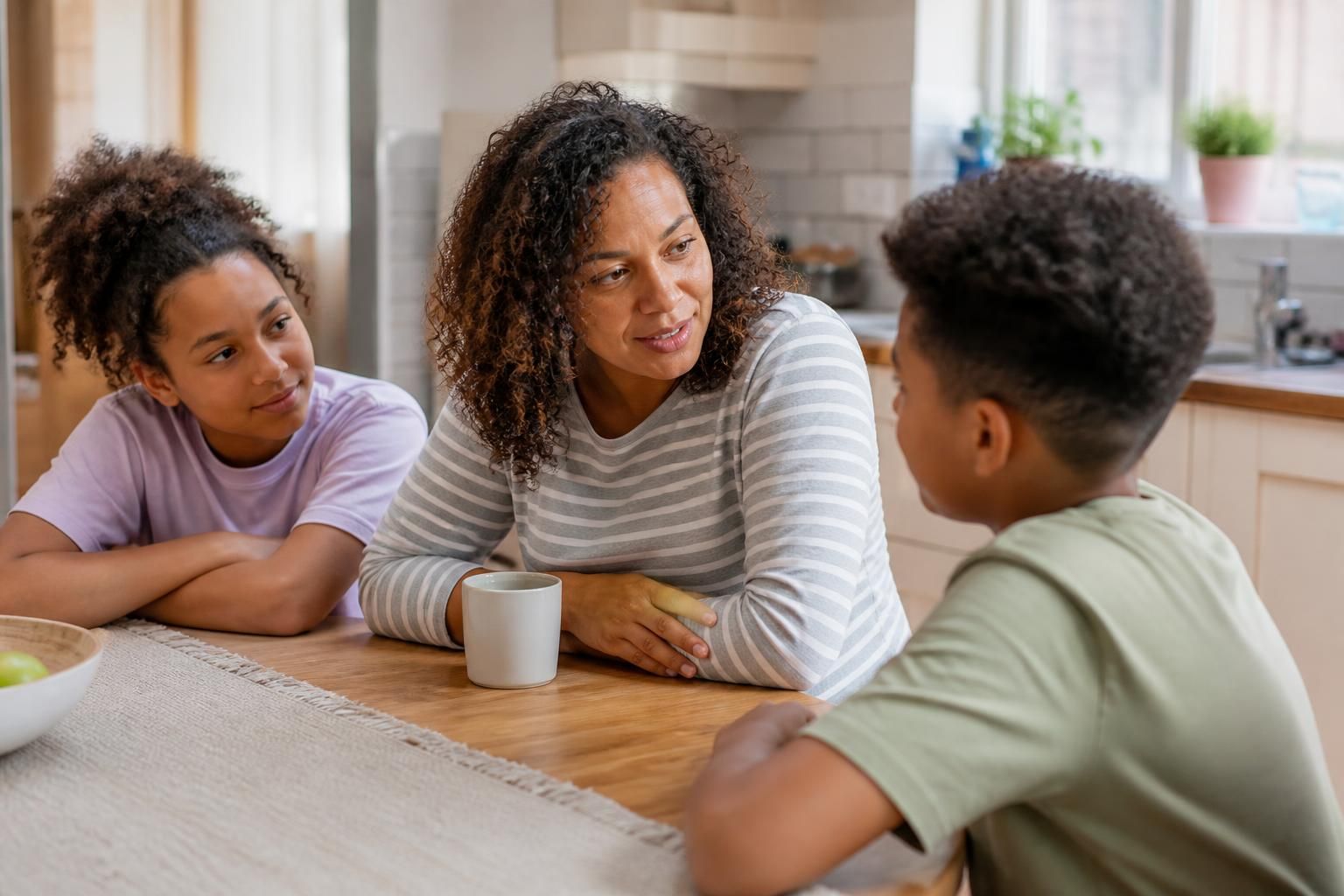
How are sibling relationships supported in foster care?
Sibling relationships in foster care are supported by helping brothers and sisters spend meaningful time together, maintain familiar routines and stay connected through safe, planned contact. Foster carers work with social workers and other professionals to understand each child’s needs, support positive interactions and review arrangements as the children settle and develop.
Partnering with an
Ofsted Outstanding Provider
Sibling relationships are supported in foster care through individualised planning, consistent communication and careful attention to each child’s emotional, cultural and practical needs. The aim is not simply to place brothers and sisters in the same home, but to help them develop a safe, positive relationship while protecting each child from pressure, conflict or responsibility that is not appropriate for their age.
Each child’s views are considered. Social workers should seek the children’s views about their relationships, what they enjoy doing together and anything that makes contact difficult. Younger children may communicate through play or behaviour, while older children may be able to describe their wishes directly. Their views inform decisions about where they live, how they spend time together and how adults respond when relationships change.
Children may have different feelings about a brother or sister. One child may feel protective, while another may be angry, anxious or reluctant to engage. Foster carers need to avoid assuming that siblings will always want the same arrangement or that a close biological relationship will automatically be easy. Giving each child space to speak privately can help adults understand what is happening beneath disagreements or changes in behaviour.
Foster carers help children feel secure as individuals. Siblings entering care may have experienced neglect, abuse, disruption or uncertainty. They may have taken on caring responsibilities for one another, or may compete for adult attention because resources and affection have previously felt unreliable. Carers can support healthier relationships by offering predictable boundaries, recognising each child’s achievements and making time for individual attention as well as shared activities.
This balance is important. Shared experiences can reinforce a sense of belonging, but children also need opportunities to develop their own interests and friendships. A carer might support one child with a hobby, school activity or appointment while another has separate time with a trusted adult. These arrangements do not weaken the sibling bond; they can reduce rivalry and help each child build confidence.
Information is shared carefully between the adults involved. Foster carers contribute observations about how siblings behave before, during and after seeing one another. Useful information may include changes in mood, sleep, eating, play, school behaviour or anxiety. A child who appears settled during a visit may become distressed afterwards, for example, so the wider pattern matters when arrangements are reviewed.
Carers should record relevant observations factually rather than labelling a child or making assumptions about motives. These records help social workers, reviewing officers, therapists and other professionals consider whether the arrangements remain suitable. Significant concerns about safety, distress or coercive behaviour should be shared through the agreed safeguarding process rather than managed informally.
Children are helped to maintain a shared sense of family identity. This may involve keeping photographs, letters, artwork, memory boxes or other items that connect siblings with their history. Carers can learn the children’s preferred names, important family traditions, significant dates and shared memories. Where appropriate, they can help children talk about their family story in an age-appropriate way and make sure that one child’s history is not treated as less important than another’s.
Small practical details can also matter. Siblings may value having similar opportunities, receiving news about one another and knowing when they will next meet. At the same time, fairness does not always mean identical treatment. A child’s age, health, education, trauma history or communication needs may mean that support has to be adapted. Explaining these differences calmly can help prevent children interpreting individual arrangements as favouritism.
Positive interaction is encouraged, not forced. Adults can plan activities that match the children’s ages and abilities, give clear expectations and remain close enough to notice tension. They can model respectful communication, help children name feelings and support them to repair minor disagreements. Children should not be expected to resolve serious conflict without adult help, and an older sibling should not be made responsible for supervising or emotionally supporting a younger one.
Some children benefit from therapeutic support, especially where their relationship has been affected by trauma, separation or experiences within their birth family. A social worker may consider specialist advice if siblings show intense conflict, withdrawal, guilt, fear or distress around contact. Support should focus on the children’s welfare and should not be used to pressure them into presenting their relationship in a particular way.
Arrangements are reviewed as children grow and circumstances change. Reviews consider whether the current plan remains safe, manageable and consistent with the children’s needs. Matters considered may include the quality of interactions, each child’s wishes, education and health needs, changes in placement, new information about the family and any effect on emotional wellbeing. The plan may be adjusted to reflect changing ages, developmental stages or levels of independence.
When siblings live in different foster homes, adults can still support their relationship by coordinating information and following the agreed arrangements for communication and meetings. Foster carers may need to work with one another and with social workers so that messages are consistent and children are not placed in the middle of adult disagreements. Contact details, transport, supervision and information-sharing responsibilities should be clear to everyone involved.
Safety remains the deciding factor. A sibling relationship can be important while particular forms of contact are unsafe or harmful. Concerns may arise from violence, sexualised behaviour, intimidation, emotional pressure, unsafe information-sharing or a child becoming significantly distressed. In those circumstances, social workers must assess the risks and decide what safeguards, supervision or changes are required. The purpose of any change is to protect the children while considering how their relationship can be supported appropriately.
Foster carers are not expected to make these decisions alone. They receive information about the placement plan and can raise questions or concerns with the supervising social worker and the children’s social workers. Training, supervision and regular professional discussions help carers understand sibling dynamics, trauma-related behaviour, safeguarding responsibilities and the practical boundaries of their role.
Effective support therefore combines connection with individuality: children are helped to know that their sibling relationship matters, while each child is listened to and protected as a separate person. The arrangements should be clear, reviewed regularly and adapted whenever the children’s needs or wishes change.

Digital contact, such as a phone call, video call or voice message, can help siblings maintain a connection between face-to-face meetings when it is assessed as safe and suitable. It should form part of the agreed contact plan rather than being arranged informally by the children or used as a substitute for every in-person visit.
Foster carers can help by preparing each child for the contact, checking that they have privacy where appropriate and making sure the conversation is suitable for their age and communication needs. Calls may need adult support if a child becomes upset, feels pressured or finds it difficult to end the conversation.
Children should know when contact will take place and what will happen if plans change. Carers can help them choose safe ways to share news, photographs or messages, while respecting confidentiality and any restrictions set by social workers. If digital contact consistently leaves a child distressed or unsettled, this should be raised with the professionals responsible for the plan.
Find out more about supporting sibling relationships
If you are considering fostering siblings, speak to our team to discuss the role and ask questions about supporting children with different needs. Find out more about becoming a foster carer and the guidance available throughout the assessment process.