

How is birth family contact arranged for siblings in foster care?
Birth family contact for siblings in foster care is arranged by the local authority with the children, birth family and foster carers, taking account of each child’s needs, safety and any court directions. The plan sets out who the siblings will see, where and how often contact takes place, how it is supported, and when it should be reviewed.
Partnering with an
Ofsted Outstanding Provider
The practical arrangements for birth family contact are set out in each child’s care plan and coordinated by the local authority social worker. For siblings, this usually means considering both their contact with parents and relatives and the way they can maintain their relationship with one another, while taking account of individual wishes, risks, legal directions and day-to-day welfare.
Before contact begins, the social worker gathers information from the children, parents, other relevant family members, foster carers and professionals involved in the case. This helps establish:
- which family members each child should have contact with;
- whether contact should be arranged jointly for the siblings or separately;
- the type of contact that is suitable, such as face-to-face meetings, telephone or video calls, letters or cards;
- where meetings should take place and who needs to supervise them;
- how travel, handovers, meals and practical care will be managed; and
- what arrangements are needed if a child becomes distressed or a safety concern arises.
Siblings may have different contact plans even when they live in the same foster home. One child may have a stronger or more settled relationship with a particular relative, while another may need shorter meetings, greater preparation or more support. Their ages, communication needs, experiences of harm and views about contact are all relevant. A shared visit may be appropriate in some circumstances, but separate time can sometimes help each child speak freely and have their individual needs recognised.
Who makes the arrangements? The child’s local authority normally takes responsibility for organising and monitoring contact. The social worker works with the child’s parents, relatives, foster carers and any contact supervisor to agree the practical details. The independent reviewing officer may consider contact as part of the child’s looked-after reviews, and the court may specify requirements where proceedings are ongoing or an order has been made.
Foster carers are expected to support the agreed plan rather than make private changes to it. They may help children prepare, take them to meetings, provide suitable clothing or belongings, and offer reassurance before and after contact. They should share factual observations with the social worker, including whether a child appeared settled, worried, withdrawn or particularly affected afterwards. A foster carer should report an immediate safeguarding concern or significant change in a child’s behaviour promptly, rather than waiting for the next scheduled review.
Supervised and supported contact may be used where professionals need to observe interaction, help family members maintain safe boundaries or reduce a risk to the child. A trained contact worker, social worker or another agreed adult may supervise the meeting. Supervision is not necessarily a judgement about a parent’s commitment; it is a safeguard based on the child’s circumstances and the information available. The supervisor may record what happened, whether the agreed arrangements were followed and any issues requiring further assessment.
Contact can take place in a dedicated contact centre, a local authority setting, a community venue or another agreed location. The setting should be suitable for the children’s ages and needs. For siblings, the plan may include activities that allow them to spend ordinary, meaningful time together rather than only sitting in a formal meeting. Where face-to-face contact is not currently safe or practical, indirect contact can help maintain a connection while professionals assess what may be possible in future.
Children should be given information they can understand about who they will see, what will happen and how long the contact is expected to last. Foster carers and social workers can help them prepare questions and identify worries. Afterward, children should have an opportunity to talk about the experience without being pressured to give a positive or negative account. Their views should inform decisions, although a child’s preference is considered alongside safeguarding information, family circumstances and any court direction.
Parents and relatives also need clear information about the arrangements. They should know the venue, expected behaviour, supervision requirements and the process for raising concerns or requesting a change. Adults should avoid asking children to pass messages, keep secrets or take responsibility for arranging future contact. If a parent or relative cannot attend, the impact on each child should be considered, particularly where siblings respond differently to missed meetings.
Contact arrangements may need to change when circumstances change. Examples include a new safeguarding concern, a child becoming distressed, a change in the family member’s circumstances, repeated missed meetings, a move to a different placement or progress that indicates more contact could be considered. Any proposed change should be discussed with the social worker and assessed properly. Foster carers should not cancel, extend or rearrange contact independently unless there is an immediate safety issue; in that situation, they should follow the local authority’s safeguarding procedure and inform the relevant professionals.
At reviews, the social worker should consider whether contact remains beneficial, safe and consistent with the care plan. This includes looking at the quality of the relationship, the children’s wishes and feelings, any patterns in attendance, the effect on behaviour and emotional wellbeing, and whether siblings are being supported fairly. The arrangements should also reflect any updated court order or permanence plan. Keeping accurate records of contact, concerns and the children’s responses helps professionals make informed decisions about future family time.
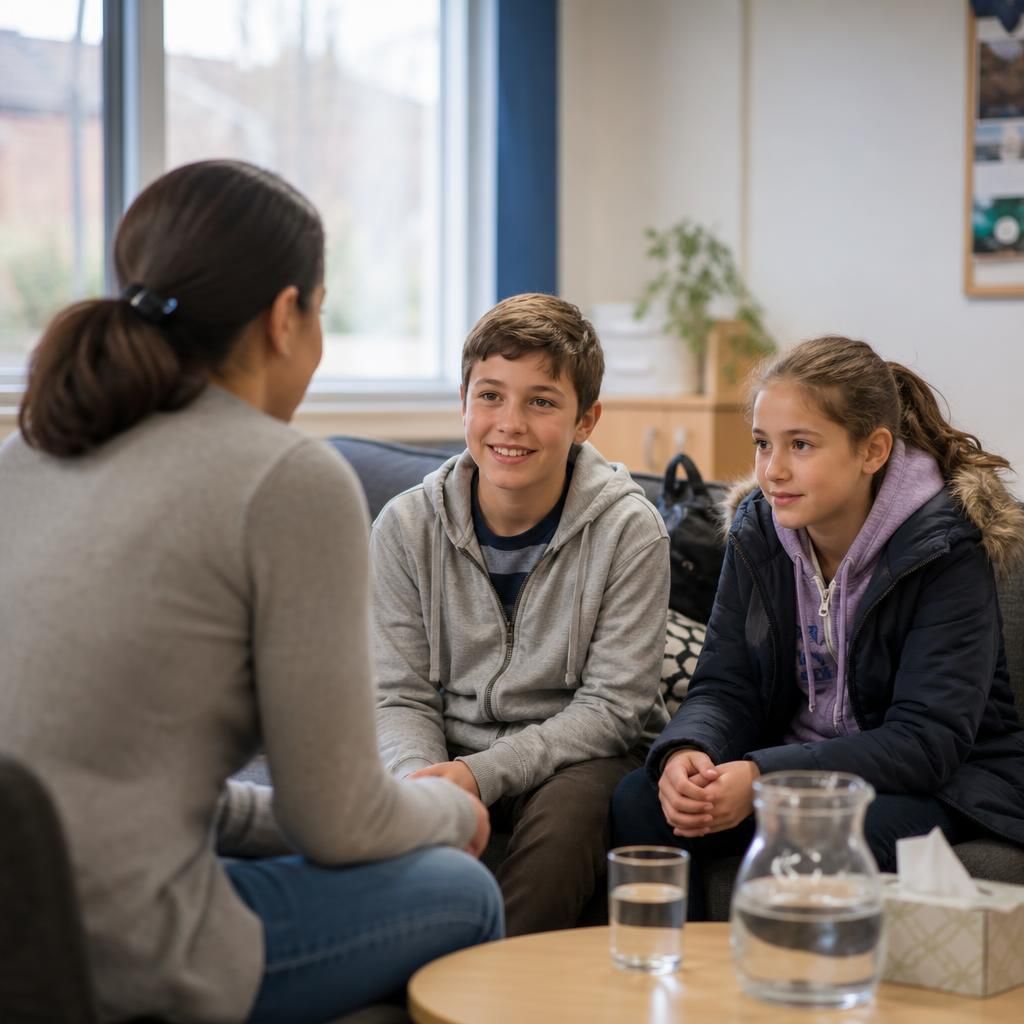
When siblings live in different foster homes, their birth family contact plan should also explain how time together will be arranged. The local authority may coordinate visits between placements, taking account of travel, school commitments, routines and each child’s emotional response. Their contact with parents or relatives may happen separately, while additional time is planned for the siblings to maintain their relationship.
Each foster carer should know the agreed arrangements, including who is responsible for transport, what information can be shared and how changes will be communicated. This avoids placing responsibility on the children to organise contact themselves and helps both homes provide consistent preparation and support.
Discuss birth family contact for sibling placements
If you are considering fostering siblings, discuss birth family contact arrangements with our fostering team. They can explain how foster carers support planned contact and what guidance is available throughout a sibling placement.