
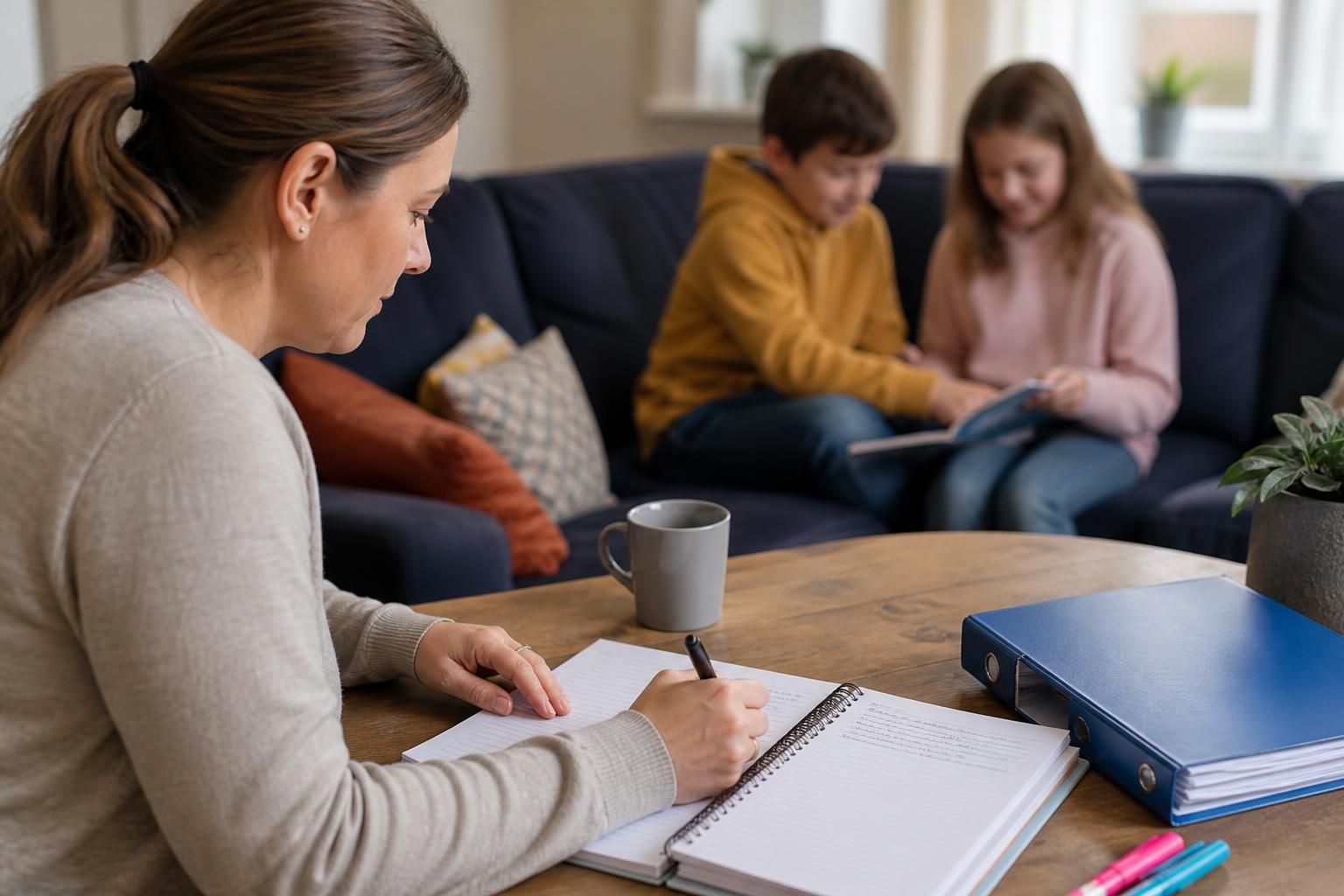
What records do foster carers keep when fostering siblings together?
When fostering siblings together, foster carers keep accurate records about each child’s daily care, health, education, behaviour, development, appointments, contact with family and significant events. These records help the fostering team and other professionals understand each sibling’s individual needs, monitor how the placement is progressing and make informed decisions about support and safeguarding.
Partnering with an
Ofsted Outstanding Provider
Foster carers usually keep a separate record for each sibling, alongside any record about the placement as a whole. The purpose is to show what happened, when it happened, how each child responded and what action was taken. Keeping individual records is particularly important when siblings have different routines, views, needs or experiences, because one child’s account must not be assumed to represent another’s.
Daily care records may include information such as meals, sleep, personal care, activities, mood, presentation and any notable changes. These entries do not need to be a diary of every ordinary event. They should focus on information that helps professionals understand the child’s welfare, routines and progress, including anything that may affect care planning.
Observations and significant events are recorded when something is unusual, concerning or relevant to the placement. This could include an argument between siblings, a disclosure, a missing episode, an injury, damage to property, a significant change in behaviour or an incident involving risk. The record should distinguish between what the carer saw or heard, what a child said, and the carer’s own observations. Children’s words should be recorded as accurately as possible rather than replaced with assumptions or interpretations.
Health information can include appointments, symptoms, injuries, treatment, medication given, missed medication, advice from health professionals and any follow-up needed. Foster carers should follow the child’s agreed health plan and the fostering service’s procedures for recording and reporting medication or medical concerns. An injury or health event involving one sibling should not automatically be copied into the other sibling’s record unless it is relevant to that child too.
Education records may cover attendance, punctuality, school meetings, homework, achievements, concerns raised by teachers and support provided. Where siblings attend the same school or share education-related activities, carers can record the shared event in the placement information while also noting its individual effect on each child.
Family time and contact records normally note the date, arrangements, people involved, whether contact took place, how long it lasted and how each child appeared before and afterwards. Carers may also record practical issues, such as a change to the arrangement or a concern raised during contact. These records should remain factual and should not be used to criticise parents or other family members.
Placement-development records can help show how the siblings are settling in. They may cover relationships between the children, individual space and privacy, shared routines, disputes, positive interactions and changes in presentation. This information can help the supervising social worker and the children’s social workers consider whether the current arrangements remain suitable and whether additional support is needed.
Practical records may include appointments, meetings, transport, agreed activities, permissions, important telephone calls and instructions from professionals. Carers should note who provided information, what was agreed and whether any action remains outstanding. Keeping a simple chronology can make it easier to prepare for reviews and contribute accurately to discussions about the placement.
Records should be dated, clear, objective and written promptly . Avoid labels such as “attention-seeking” or “difficult” without explaining the behaviour behind them. A more useful entry would describe what happened, the child’s exact words where relevant, the response given and the outcome. Records should also include positive progress, achievements and examples of healthy sibling interaction, not only difficulties or incidents.
Foster carers must handle records securely and follow the fostering service’s instructions about storage, access, electronic systems and retention. Information about one child should not be shared casually with the other child or with people who do not have a legitimate reason to receive it. Siblings may have different rights to privacy, particularly where records contain personal information about health, trauma, family relationships or allegations.
Information is shared with the professionals responsible for the children’s care when it is relevant to safeguarding, decision-making, reviews or support. Foster carers should not promise a child that information will always remain secret. If a child makes a disclosure or a carer has a safeguarding concern, the carer should record the account accurately and report it through the agreed procedure rather than investigating it themselves.
At placement reviews, properly kept records can provide a reliable account of changes since the previous meeting. They may help professionals consider the children’s wishes and feelings, contact arrangements, education, health, household routines, risks and the support required by the foster family. The supervising social worker can explain what must be recorded, how much detail is appropriate and which events need to be reported immediately rather than waiting for a review.
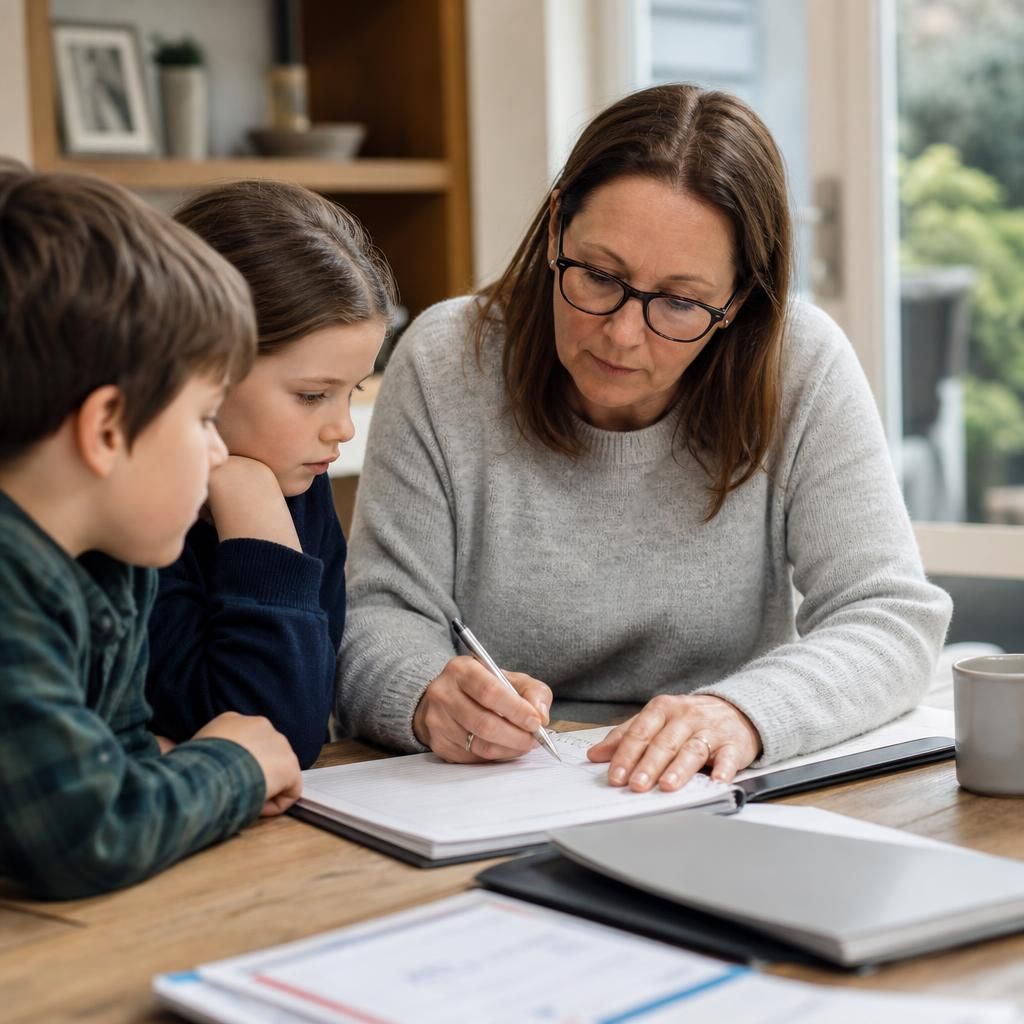
Foster care records should be written with the understanding that the child may read them in the future, or that they may be considered as part of later information requests. Use respectful, child-centred language and describe circumstances rather than making judgements about personality or character. For example, write “Jamie left the room and declined to speak after the telephone call” rather than “Jamie was being difficult”.
It is also helpful to record the child’s views where they are relevant, including how they feel about living with a sibling and any changes they would like to their arrangements. A balanced record recognises progress, relationships and strengths as well as concerns, giving a more accurate account of each child’s experience.
Learn More About Fostering Siblings Together
If you are considering fostering siblings together, learn more about how placements are assessed and supported, and discuss your questions with the Become A Foster Family team.