

What training do foster carers receive for sibling placements?
Foster carers receive core fostering training alongside preparation tailored to sibling placements, including sibling relationships, individual needs, shared routines, contact with birth family and managing conflict. Ongoing training and guidance help carers review what is working for each child and adapt their care as the placement develops.
Partnering with an
Ofsted Outstanding Provider
Training for foster carers considering a sibling placement combines the preparation required for all foster carers with a closer look at the practical and emotional demands of caring for children from the same family. It helps carers understand how each child may be affected by their experiences, how the children may influence one another, and how to provide care that is fair without treating every child identically.
Training before approval
Before approval, prospective foster carers usually complete preparatory training as part of the assessment process. This introduces the responsibilities of fostering and gives carers an opportunity to consider whether they can meet the needs of children who may have experienced abuse, neglect, loss or several previous moves.
For sibling placements, preparation may explore:
- how family roles can change when children enter care;
- the effect of separation from parents and familiar surroundings on each sibling;
- how children may protect, parent or blame one another;
- ways of giving children individual attention while maintaining a shared household;
- how to recognise when a sibling interaction is supportive, distressing or unsafe; and
- how carers can preserve family identity without placing responsibility for one child on another.
Understanding trauma, attachment and development
Training commonly covers the ways that early experiences can affect behaviour, emotional regulation, trust and relationships. This is particularly relevant when siblings appear to have responded very differently to the same family circumstances. One child may become withdrawn, while another may be angry, controlling or highly anxious.
Carers learn to look beyond behaviour and consider what a child may be communicating. They are also helped to distinguish between age-appropriate sibling disagreements and behaviour that indicates fear, coercion, exploitation or unresolved trauma. This knowledge supports calmer responses and helps carers avoid labelling one child as the problem within the family group.
Providing care that is fair and individual
A key part of preparation is learning how to balance consistency with flexibility. Siblings may have different ages, abilities, routines, permissions, diets, health needs or levels of independence. Training can help carers plan household expectations clearly while adapting support to each child’s development and circumstances.
Carers may consider practical approaches such as one-to-one time, separate opportunities for hobbies, private conversations and individual celebrations. These arrangements can help children develop their own identity while still benefiting from the reassurance of living with their brothers or sisters. Training also addresses how to respond when children compare rules, attention or possessions.
Safeguarding and safe caring
Sibling groups require the same safeguarding focus as any other foster placement, alongside consideration of the children’s relationships with one another. Training covers recognising and reporting concerns, maintaining appropriate boundaries, supervising children safely and responding to allegations or disclosures.
Carers are expected to follow agreed safe-care arrangements. These may set out expectations around bedrooms, bathing, physical contact, online activity, visitors, transport and time spent together without direct supervision. The precise arrangements depend on the children’s ages, needs and assessed risks, so carers must follow the guidance provided for the particular placement rather than relying on a standard rule.
Managing disagreements and household stress
Training can introduce techniques for preventing disputes from escalating and for helping children recover afterwards. Carers learn the importance of staying calm, separating children when necessary, listening to each child’s account and avoiding forced apologies before the children are ready to engage safely.
It also considers the impact of stress on the wider household. Caring for siblings can involve competing demands, divided loyalties and repeated arguments. Carers are encouraged to seek advice early, keep routines realistic and use agreed strategies consistently rather than attempting to manage persistent difficulties alone.
Recording, communication and professional work
Foster carers receive guidance on keeping clear, factual records about significant events, conversations, injuries, incidents and changes in behaviour. With siblings, it is important to record each child’s experience separately, even when an event involves the whole group. This helps professionals understand individual needs and prevents one child’s account from being overlooked.
Training also prepares carers to work with social workers, schools, health professionals and other members of the child’s network. Carers may need to share observations, attend meetings, contribute to assessments and follow agreed plans. They should understand what information is confidential, what must be passed on and how to raise a concern if a plan is not meeting a child’s needs.
Learning continues after approval
Training does not stop when carers are approved. Ongoing learning is used to build knowledge in areas relevant to the children in placement, such as therapeutic approaches, additional needs, education, online safety, health or managing challenging behaviour. A sibling placement may identify further subjects that would be useful for the household.
Carers can also learn through supervision, placement meetings, reviews and discussions with their supervising social worker. These conversations provide opportunities to examine what is happening for each child, review risks, consider whether strategies are effective and agree any changes to the care plan. Practical guidance is therefore linked to the children’s current circumstances rather than treated as a one-off course.
How learning is applied
The assessment process considers more than attendance at training. Prospective carers need to show that they can reflect on information, listen to children, accept professional guidance and put safe, consistent care into practice. For a sibling placement, this includes showing that they can value the children’s shared history while recognising that each child may need a different response.
Before a particular placement is agreed, carers should be given information about the children’s needs and the support available. They can use this information to ask focused questions about supervision, contact, education, health, routines and any known risks. Training provides the foundation, while the placement plan and ongoing professional support guide its application to the individual sibling group.
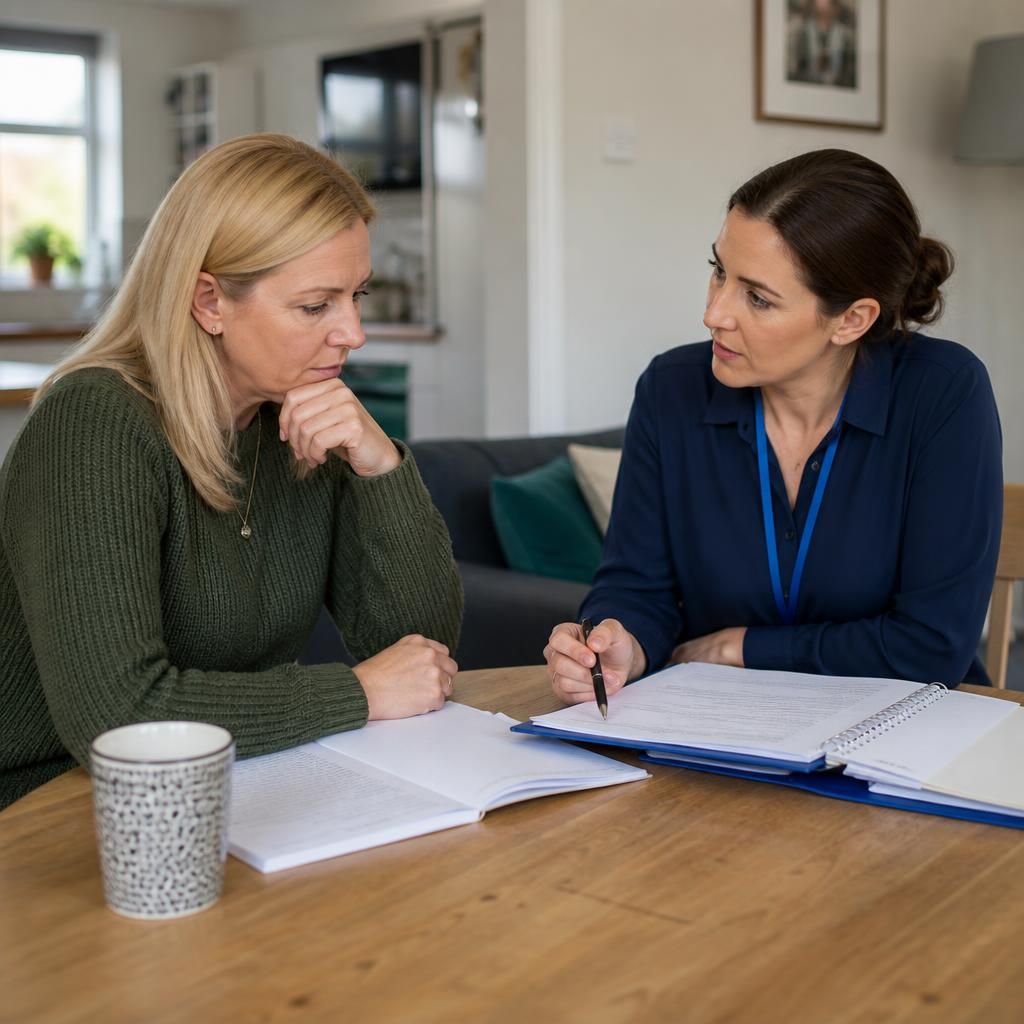
Sibling-placement training is not a one-off qualification that applies identically to every family group. Core fostering preparation provides the foundation, while further learning is shaped by the children’s ages, experiences, relationships and assessed needs. This means carers may need to build their knowledge as circumstances change, rather than relying solely on what they covered before approval.
A useful measure of effective training is whether it helps carers make sound decisions in everyday situations: when to give siblings space, when to bring them together, how to respond to differing accounts of an incident and when to request professional advice. Carers should be able to explain the reasoning behind their approach and show that safeguarding remains central to decisions about shared care.
Find out more about foster carer training
If you are considering fostering siblings, contact our team to discuss the training, assessment and support involved. We can help you understand the next steps before you decide whether to apply.